








From Generic Rules to Your Specific Blueprint
For decades, nutritional advice has been a blunt instrument. The food pyramid, MyPlate, and a revolving door of diet trends have treated the entire population as a monolith. But anyone who’s watched a friend lose 20 pounds on a diet that made them gain
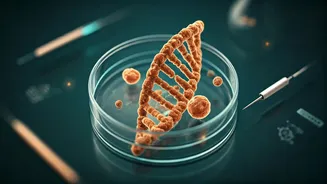
five knows the truth: one size fits none. Personalized nutrition throws out this generic playbook. Instead of starting with the food, it starts with you. Using data from at-home test kits, it analyzes your unique biological landscape—your DNA, your gut microbiome, or the real-time response of your blood sugar—to build a dietary strategy tailored specifically for your body. It’s the difference between being handed a generic map of the U.S. and having a GPS that knows your exact location and destination. The goal is no longer to just 'eat healthy,' but to eat in a way that’s scientifically optimized for your system.
The Power of a Purposeful Plate
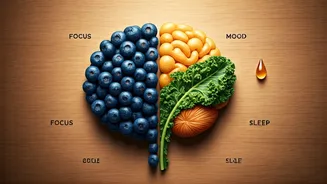
The core appeal of this new approach lies in its ability to answer the question 'why?' Why should you eat more fiber? Your gut microbiome report shows a lack of diversity that specific plant fibers can fix. Why avoid that pastry? Your continuous glucose monitor reveals it sends your blood sugar on a dramatic rollercoaster that leaves you feeling tired and foggy. Suddenly, food choices are no longer arbitrary acts of self-deprivation or indulgence. They become meaningful, data-informed decisions. Eating a bowl of lentil soup isn't just a 'healthy choice'; it’s a specific action to stabilize your blood sugar and feed beneficial gut bacteria identified in your last report. This turns every meal into a mission. The feeling of 'usefulness' described in the headline comes from this newfound sense of agency. You’re not just following rules; you’re actively managing your own biological system with precision.
A Data Dashboard for Your Body
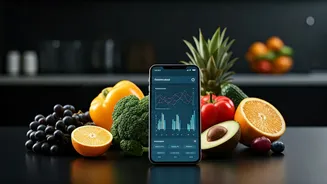
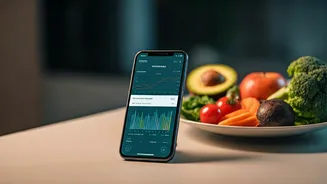
This shift is powered by an interface that feels more like a tech product than a diet plan. Companies like Zoe and InsideTracker provide users with slick apps and dashboards that gamify the process of eating well. Foods are scored based on how your body is predicted to react to them. You get a daily score, see your progress over time, and receive notifications that nudge you toward better choices. This data-driven feedback loop is incredibly compelling. It taps into the same psychological hooks that make fitness trackers and video games so addictive. You are the main character in your own health journey, equipped with the data you need to level up. This removes the moral baggage often associated with food—the guilt, the shame, the feeling of failure. It’s not about being 'good' or 'bad'; it’s about being effective. You’re simply a user optimizing your system based on real-time feedback, and that feels empowering, not restrictive.
The Price of Precision
Of course, this bespoke approach to wellness isn't without its caveats. The science, particularly in the realm of the gut microbiome, is still evolving. While trends are clear, many specific recommendations are based on correlations, not yet proven causation. Furthermore, access is a major hurdle. These services come with a hefty price tag—often hundreds of dollars for initial testing and ongoing monthly subscription fees—placing them firmly in the realm of a luxury wellness product. There is also a psychological risk. For some, the constant tracking and scoring can morph from empowerment into obsession, leading to a new, data-fueled form of disordered eating. As with any powerful tool, the line between useful and all-consuming can be thin. It requires a level of self-awareness to use the data as a guide, not a gospel.