






The End of Hustle Culture?
Not long ago, success in urban India had a distinct look and feel. It was the glow of a laptop screen at 2 a.m., an endless stream of coffee or energy drinks, and a work schedule that blurred the lines between day and night. For a generation that came
of age during India's explosive economic growth, particularly in the tech and startup sectors, 'the hustle' wasn't just a strategy; it was an identity. This relentless drive was seen as a prerequisite for anyone hoping to build a career in one of the world's most competitive markets. Energy drinks became a staple, a quick fix to power through deadlines and long commutes, symbolizing a culture that prioritized productivity above all else.
A Generation Facing Burnout
The relentless pace has come at a cost. A quiet but growing crisis of burnout and mental exhaustion is sweeping through India's young workforce. The same millennials and Gen Z professionals who were celebrated for their ambition are now grappling with the consequences: anxiety, chronic stress, and sleep deprivation. The COVID-19 pandemic, with its lockdowns and work-from-home mandates, only intensified this dynamic, erasing the final boundaries between office and home. This collective exhaustion has sparked a powerful counter-movement. Instead of asking 'How much can I work?,' a new generation is asking, 'How well can I live?' The answer, for many, starts with reclaiming their right to rest.
The Rise of the 'Sleep Economy'
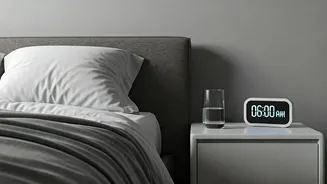
This shift in values is creating a vibrant new market in India: the 'sleep economy.' Where energy drinks once dominated deskside real estate, you're now more likely to find chamomile tea, melatonin-infused gummies, and bottles of calming essential oils. The 'swap' is less about a one-to-one replacement and more about a fundamental change in spending priorities. Young consumers are investing in weighted blankets, blackout curtains, and sophisticated sleep-tracking apps and wearables. Startups are emerging to cater to this new demand, offering everything from ergonomic pillows to guided meditation podcasts designed specifically for inducing sleep. It's a commercial reflection of a cultural pivot from chasing stimulation to seeking tranquility.
More Than a Trend, It's a Reset
This embrace of sleep isn’t just a wellness fad; it’s a form of quiet resistance. It represents a rejection of the always-on work culture that defined the previous decade. For many young Indians, choosing rest is a deliberate act of prioritizing mental health and long-term well-being over the short-term gains of perpetual work. This sentiment mirrors global trends seen in the U.S. and Europe, such as 'quiet quitting' and the 'soft life' movement, where younger generations are redefining success on their own terms. It’s no longer about climbing the corporate ladder at all costs, but about building a sustainable and fulfilling life where rest is not a luxury, but a necessity.