



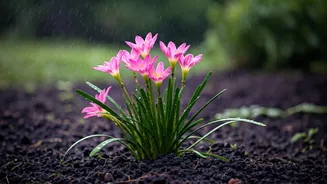




Meet the Humble Rain Lily
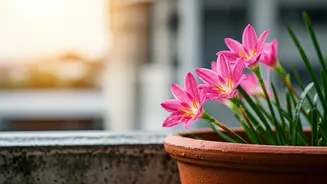
So, what exactly is this enchanting plant? Rain lilies, part of the *Zephyranthes* genus, are small, unassuming bulb plants that look a bit like wild chives or grass for much of the year. Their delicate, six-petaled flowers pop up on slender stems and
come in shades of white, butter yellow, and candy pink. They’re often called fairy lilies or zephyr lilies, names that hint at their ephemeral, surprising nature. Unlike plants that follow a strict seasonal schedule, rain lilies have a different kind of internal clock—one that’s tied directly to the weather. This unique trait is what makes them such a delightful addition to any small-space garden.
Perfectly Suited for Pots
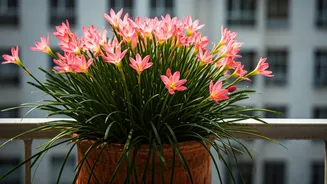
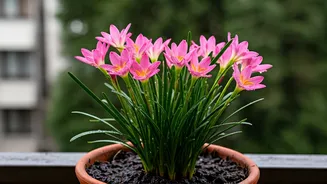
Many beautiful plants struggle to thrive in the confines of a container, but rain lilies seem born for it. Their root systems are compact, and they don't mind being a little crowded, which means you can pack a dozen or more bulbs into a medium-sized pot for a truly spectacular display. Because they don't grow into large, unruly shrubs, they won’t overwhelm a small balcony or block your view. They are drought-tolerant and resilient, making them forgiving plants for busy people or beginner gardeners. A pot of rain lilies can sit quietly in a sunny corner, asking for very little, before suddenly bursting into the spotlight.
How to Plant Your Lilies
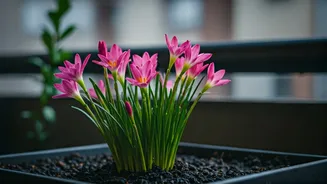
Getting started with rain lilies is incredibly simple. You can buy them as dormant bulbs from nurseries or online retailers, usually in late spring or summer. Here’s a quick guide to potting them: 1. **Choose the Right Pot:** Select a container with at least one good drainage hole. Rain lilies hate sitting in waterlogged soil, so drainage is non-negotiable. 2. **Use Good Soil:** Fill your pot with a standard, well-draining potting mix. You don't need anything fancy; any mix designed for containers will work well. 3. **Plant at the Right Depth:** Plant the small, onion-like bulbs about one to two inches deep, with the pointy end facing up. Space them an inch or two apart. Planting them closer together will give you a fuller, more dramatic bloom. 4. **Water and Wait:** After planting, give the pot a thorough watering and place it in a spot that gets at least four to six hours of direct sunlight per day. Then, let it be.
Simple Care for Big Rewards
The beauty of rain lilies is their low-maintenance attitude. Once planted, they require minimal intervention. Water them occasionally during dry spells, perhaps once a week, but don’t overdo it. In fact, a period of dryness is often what sets the stage for their big show. They don’t typically require fertilizer, though a light feeding with a balanced liquid fertilizer once in the spring can encourage more robust growth. For the most part, you can adopt a hands-off approach and let nature do the work. They are perennials, so the bulbs will multiply over the years, giving you an even thicker display each season.
The ‘Instant Magic’ Payoff
Here’s where the magic happens. After a period of relative dryness, a heavy, soaking rainstorm acts as a trigger. Within just a few days of the downpour, you’ll see thin, elegant stems shoot up from the grassy foliage, seemingly out of nowhere. Atop these stems, delicate buds will swell and burst open into a blanket of star-shaped flowers. A pot that was just green foliage on Monday can be a riot of pink or white by Wednesday. This sudden, glorious bloom is the “instant” reward that makes rain lilies so special. It’s a garden spectacle that feels like a spontaneous gift from the sky, transforming your balcony with an unexpected wave of color.
A Quick Note for Pet Owners
While rain lilies are a fantastic addition to a home, it's important to be aware that all parts of the plant, especially the bulbs, are toxic to cats and dogs if ingested. This can cause gastrointestinal upset or more severe symptoms. If you have curious pets, be sure to place your rain lily pots on a high ledge or railing where they can’t be easily reached.