



Embrace the Monsoon Magic
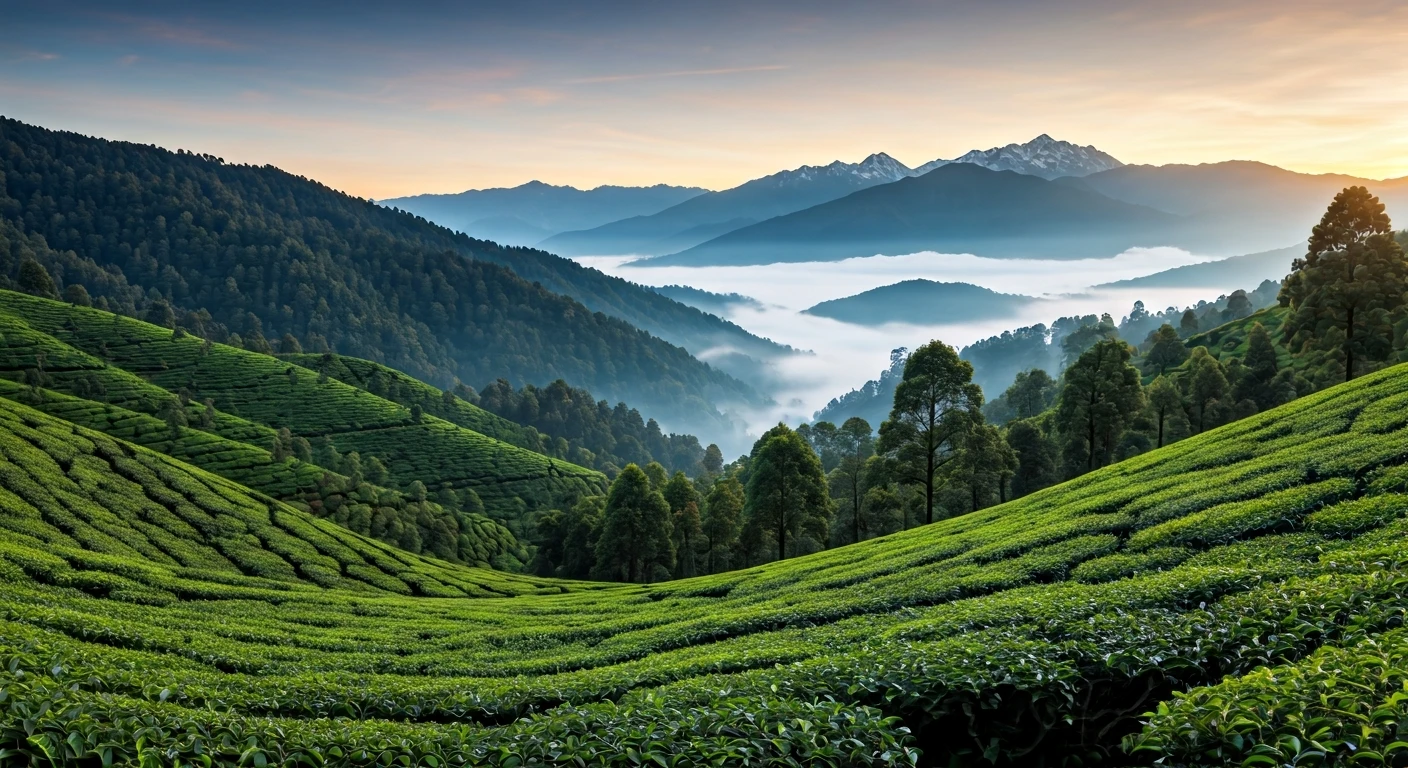
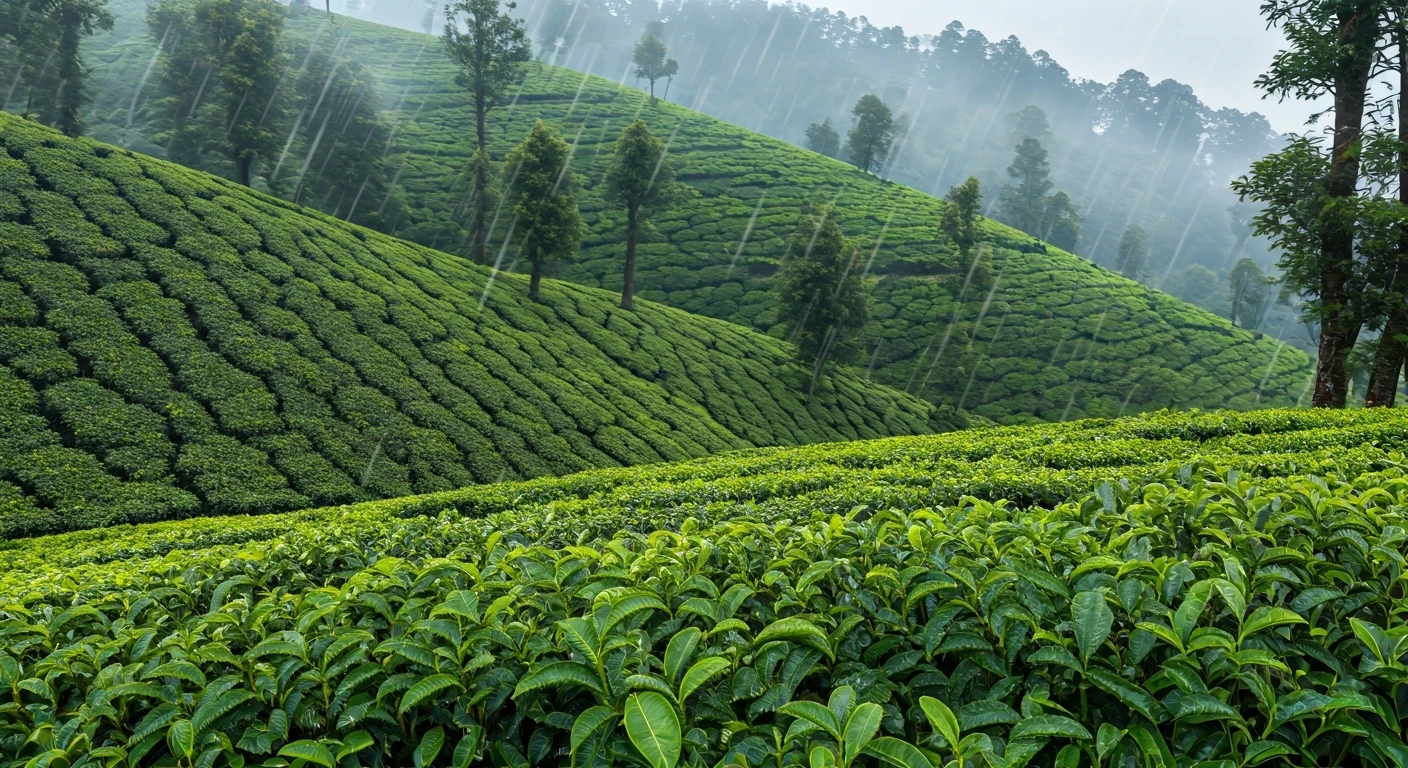
While many tourist spots bake under the summer sun, Darjeeling, the famed hill station in West Bengal, puts on a different kind of show in June. This is the month when the monsoon clouds roll in, blanketing the emerald-green hills in a perpetual, romantic
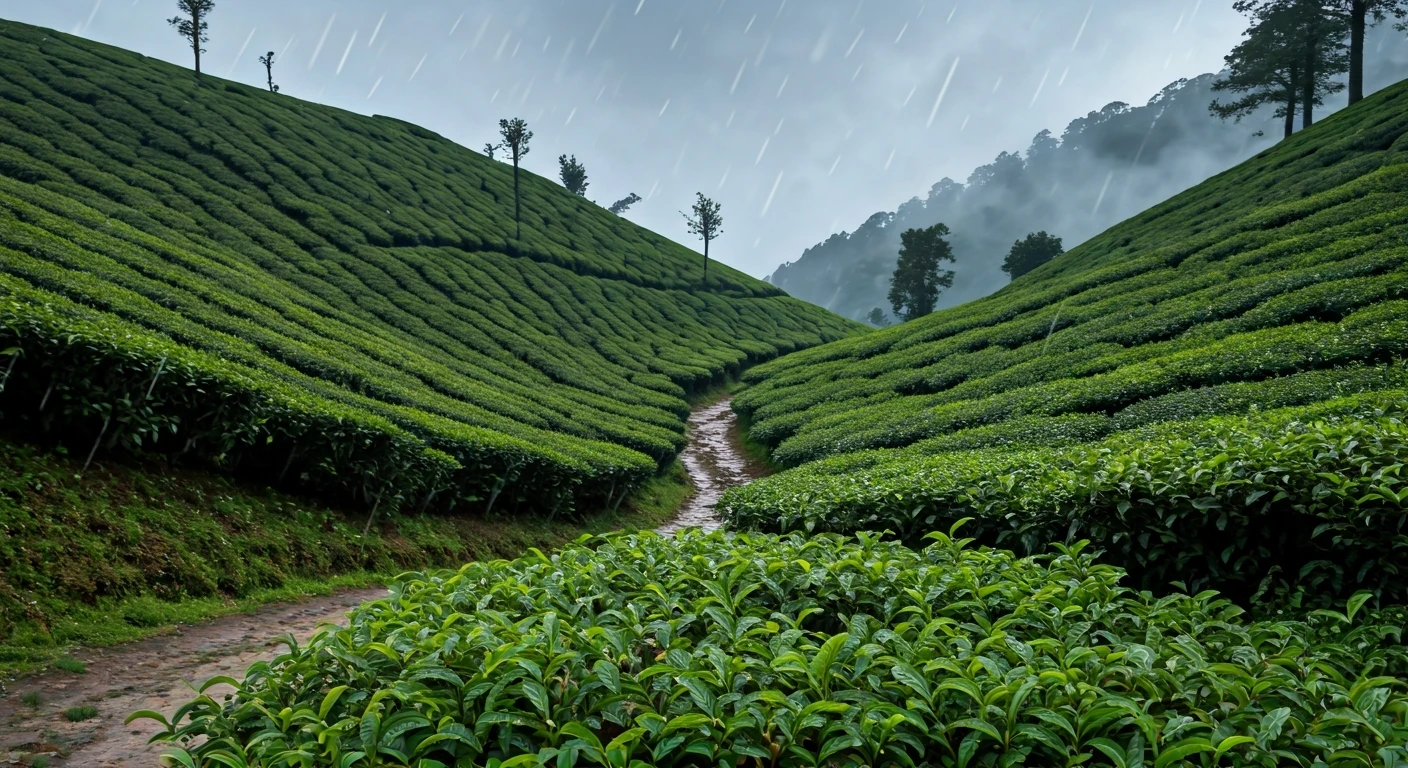
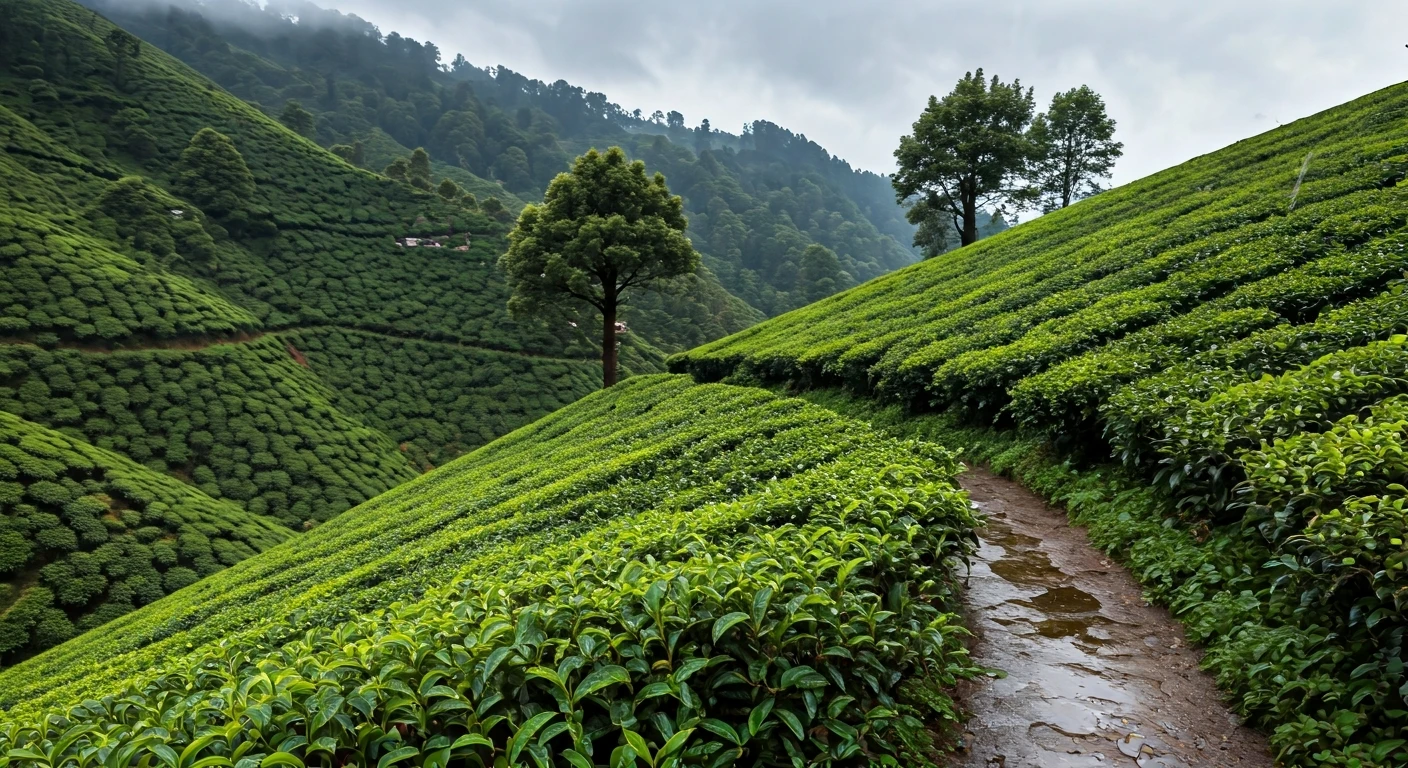
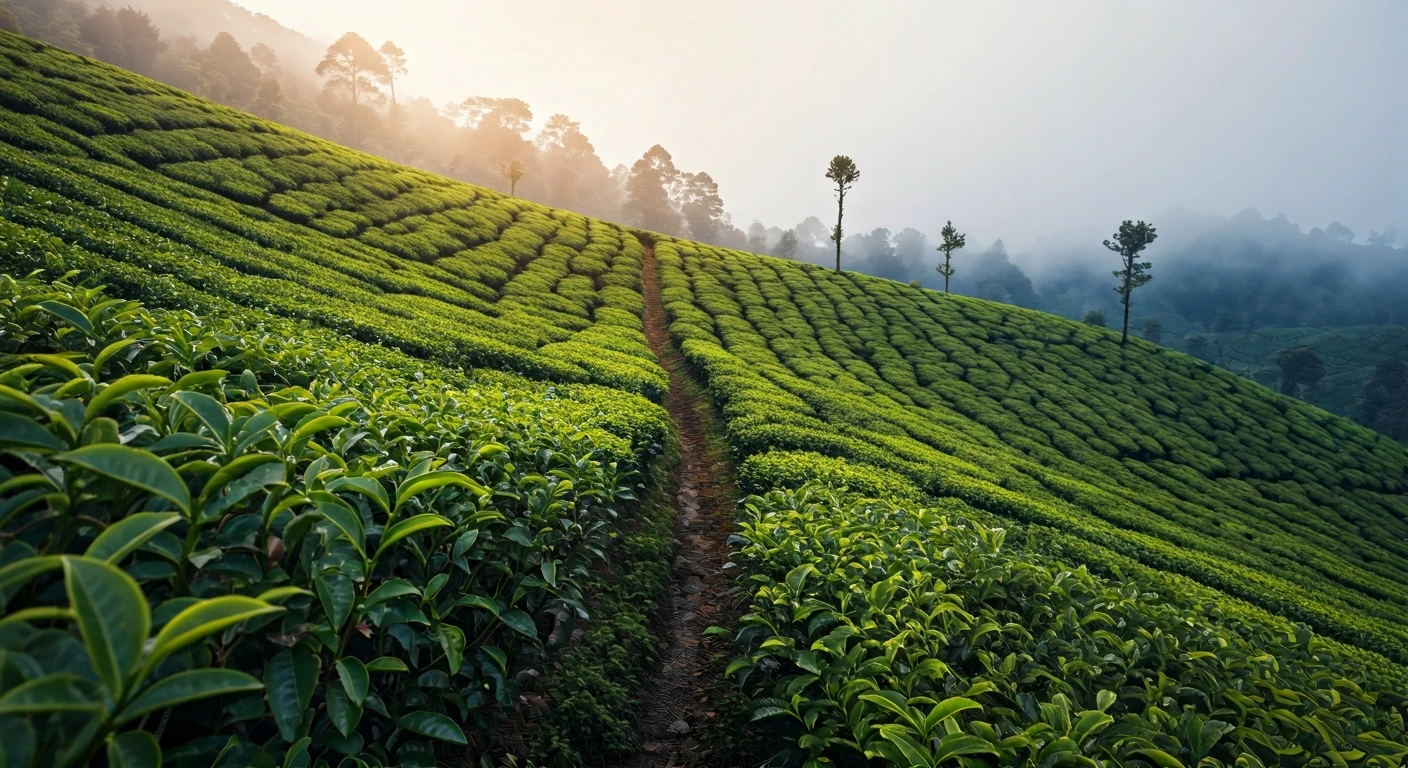
mist. The constant drizzle washes the world clean, making the colonial-era architecture gleam and the vibrant flora pop with impossible color. It’s an experience that trades sweeping Himalayan vistas (which are often obscured by clouds this time of year) for an intimate, cinematic atmosphere. Instead of postcard-perfect panoramas, you get the feeling of being inside a cloud, with the world hushed and the scent of damp earth and woodsmoke hanging in the air. For photographers and travelers seeking mood over sunny spectacle, this is paradise.
The Champagne of Teas Awaits
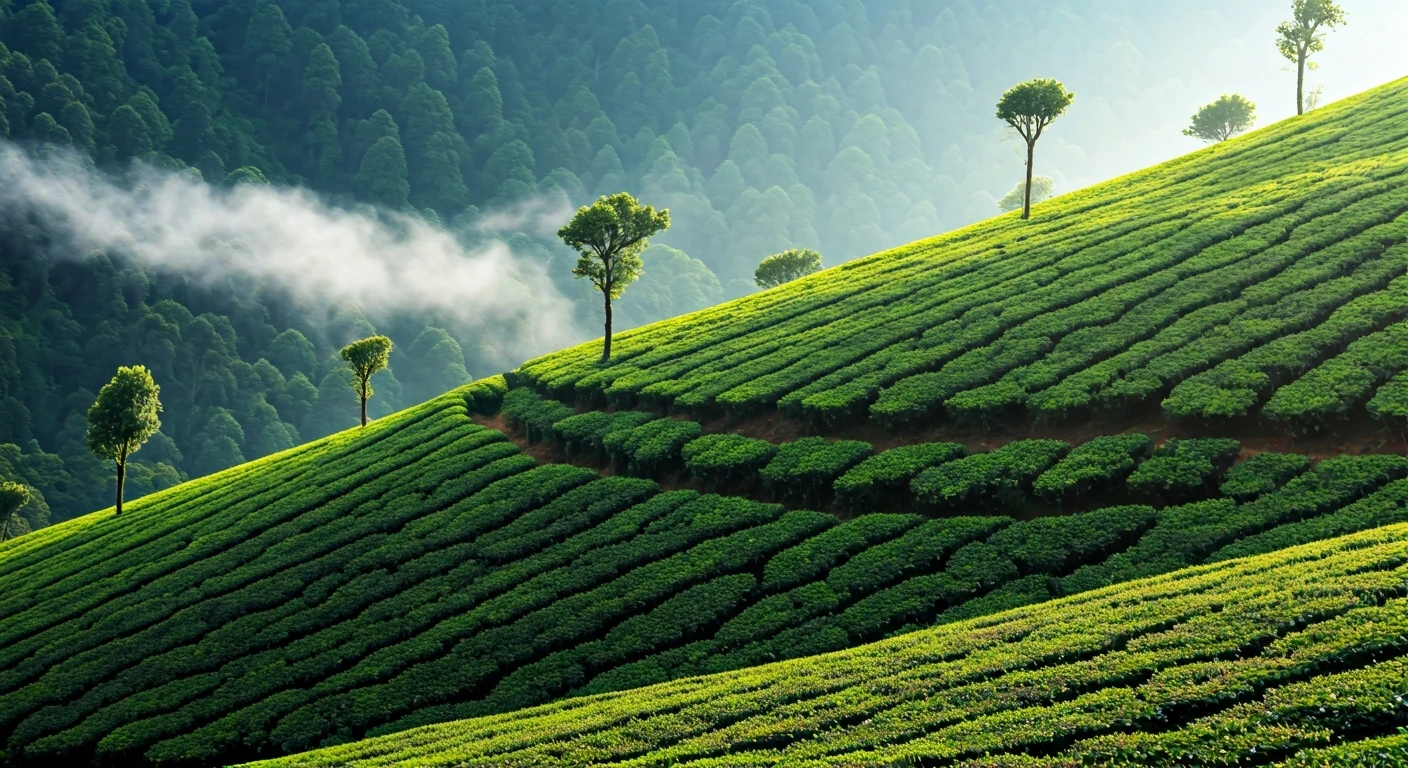
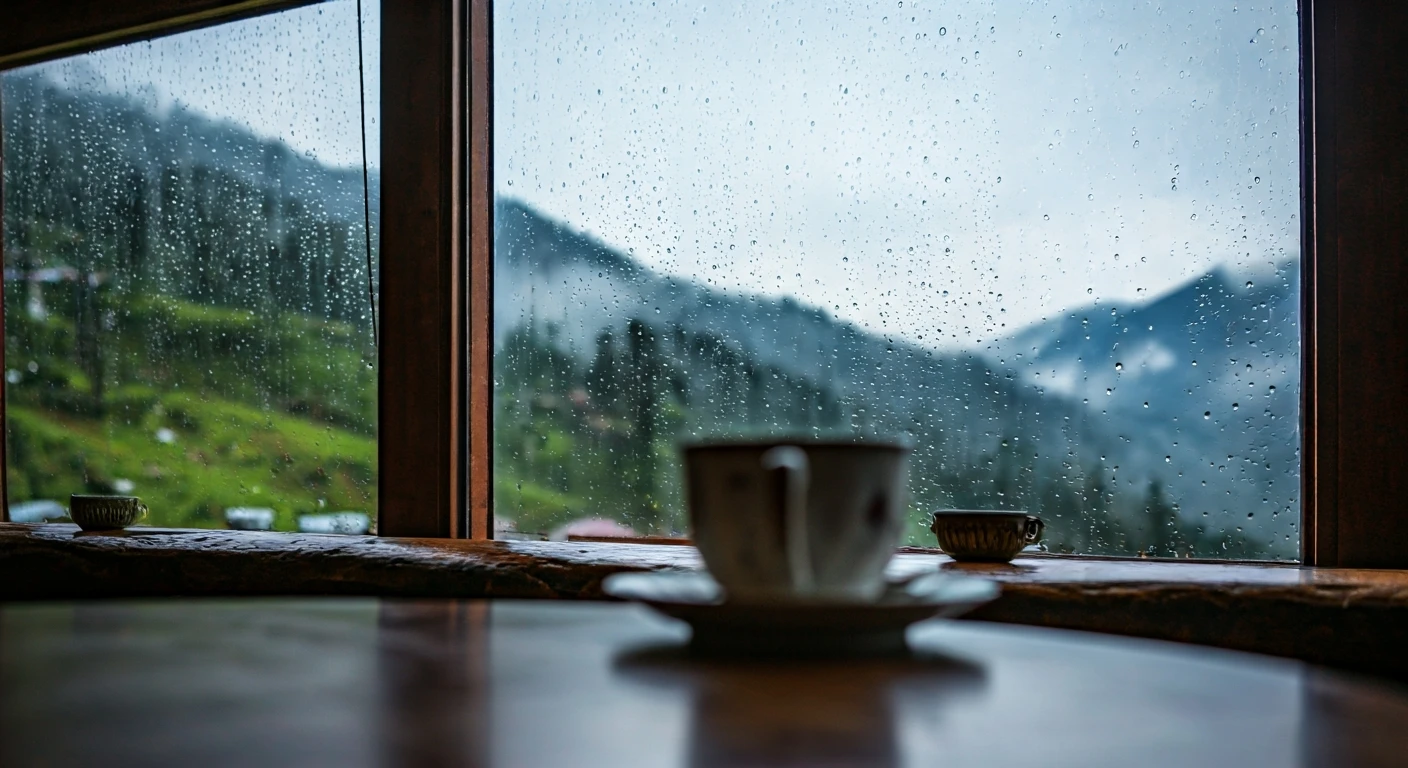
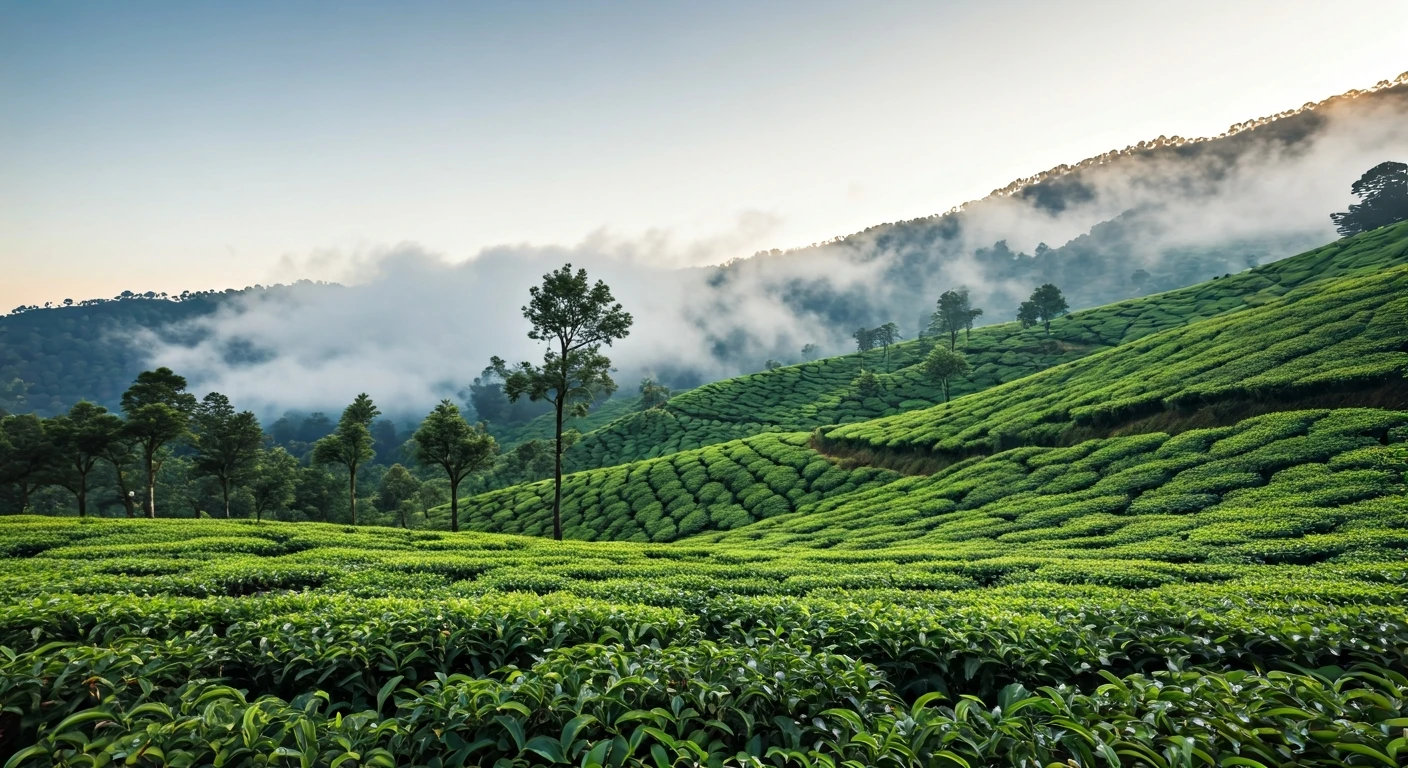
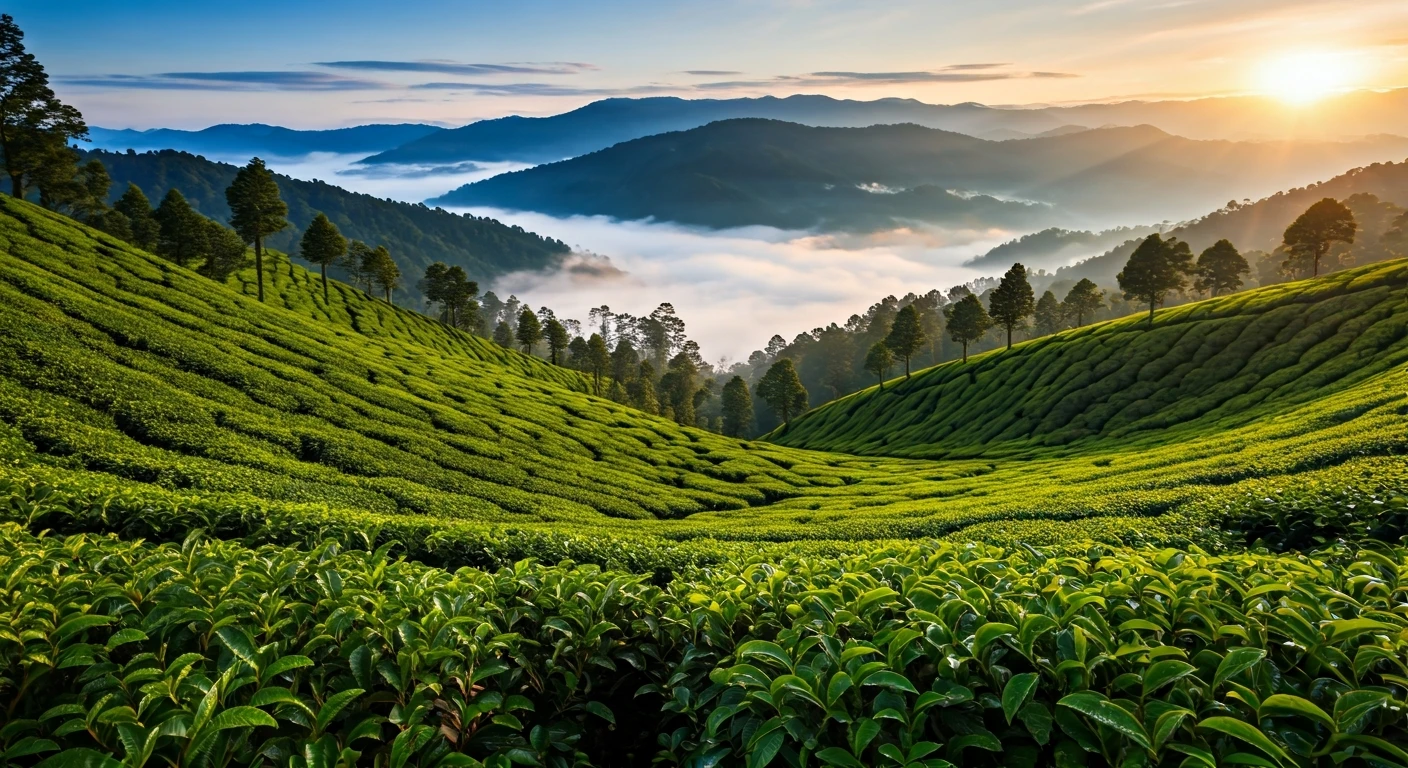
There’s a very specific, very delicious reason why June is a prime time for Darjeeling: the second flush. This is the period, from late May through June, when tea estates harvest the leaves that produce the world-renowned 'muscatel' flavor, often called the 'champagne of teas.' Visiting during this time offers a front-row seat to this crucial agricultural event. You can tour iconic estates like Glenburn or Makaibari, watch the meticulous process of plucking and processing, and, most importantly, taste some of the freshest, most aromatic tea you will ever encounter. A tasting session of second-flush Darjeeling, with its complex, fruity notes, while rain patters on the roof of a historic tea bungalow, is an experience that connects you directly to the soul of the region.
Cozy Adventures and Quiet Charms
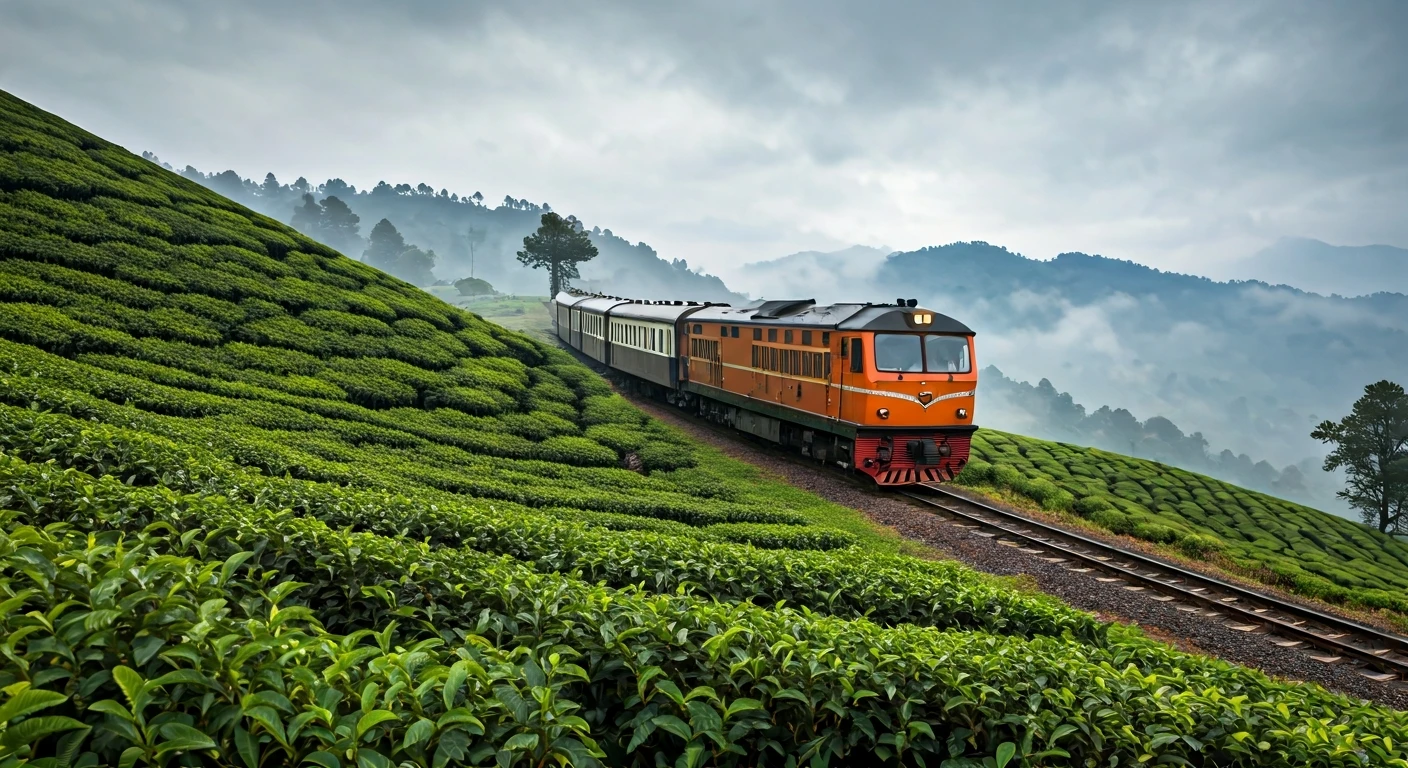
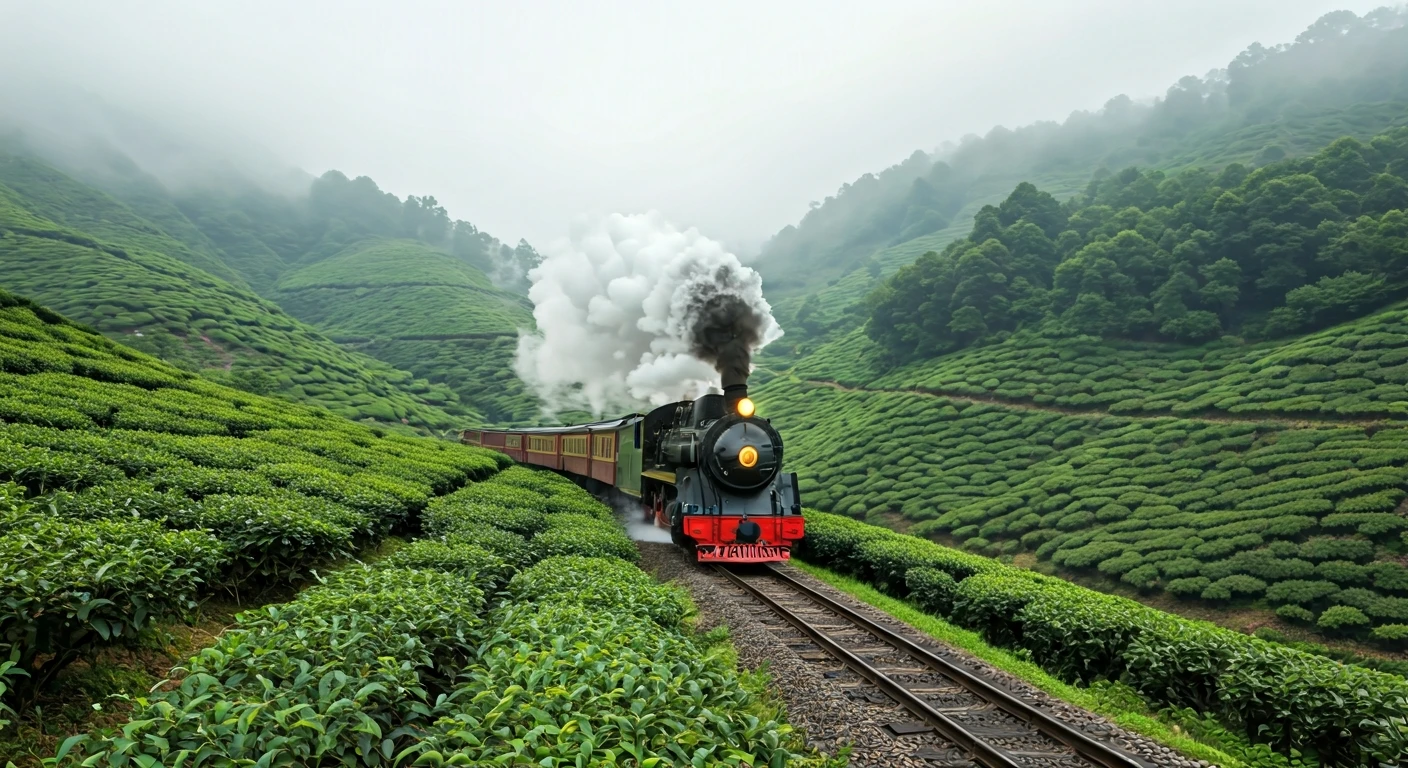
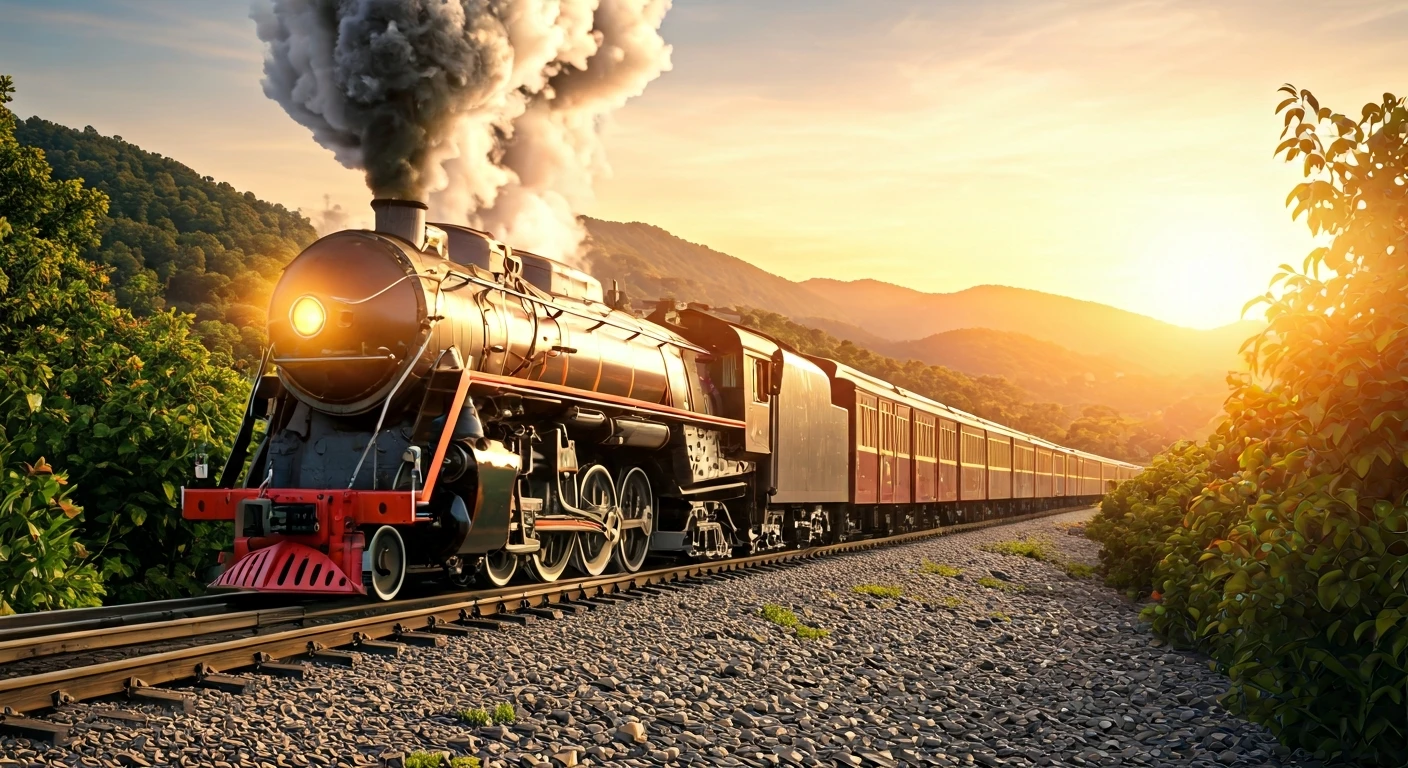
Rainy weather doesn't mean being stuck indoors. It simply changes the pace of adventure. The iconic Darjeeling Himalayan Railway, or 'Toy Train,' becomes even more magical as it chugs slowly through misty forests and fog-shrouded valleys. The journey from Darjeeling to the nearby town of Ghum, home to a beautiful old monastery, is a UNESCO World Heritage experience that feels like traveling back in time. On drizzly afternoons, there’s nothing better than ducking into one of the town's cozy cafes, like the legendary Glenary's or Keventer's, for a hot cup of tea and a plate of English breakfast. Exploring the Observatory Hill, with its blend of Hindu and Buddhist shrines, or wandering the quiet halls of the Tibetan Refugee Self-Help Center feels more profound and spiritual in the serene, misty weather.
Fewer Crowds, Fuller Experiences
One of the greatest benefits of visiting Darjeeling in June is that you’re arriving in the shoulder season, just after the peak spring rush and before the heaviest monsoon rains of July and August. This means fewer tourists jostling for space at viewpoints or on the Mall Road. You’ll find more availability in charming guesthouses and heritage hotels, often at better prices. The slower pace allows for more meaningful interactions. Shopkeepers have more time to chat, guides can offer more personalized tours, and you get a more authentic sense of local life. It's an opportunity to see Darjeeling as its residents do—a peaceful, hard-working town nestled in the clouds, not just a tourist hotspot.
Know Before You Go
A monsoon trip requires a bit of practical planning. First, pack accordingly: a reliable waterproof jacket, sturdy non-slip shoes, and quick-drying clothes are essential. An umbrella is a must for navigating the town’s streets. Second, be flexible. Heavy rains can sometimes cause minor travel delays or road closures, so it’s wise to build some buffer time into your itinerary. Finally, manage your expectations. While you might get a lucky break with a clear morning, don't count on seeing the magnificent peak of Kanchenjunga. The beauty of a June visit lies in the mist, the greenery, and the atmosphere, not the long-distance mountain views. Embrace the fog, and you'll be rewarded with a trip unlike any other.