

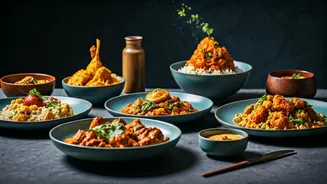
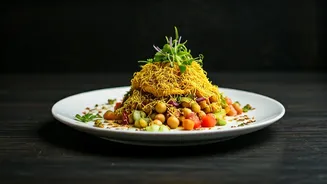

The Art of 'Andaz'
In many Indian kitchens, the guiding principle isn’t a recipe card but a concept called *andaz*, which translates loosely to estimation, intuition, or personal style. It’s the freedom to cook by feel, sight, and smell. Instead of meticulously measuring
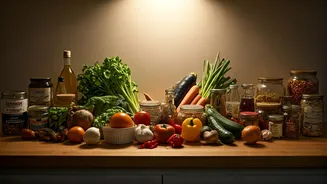
a teaspoon of cumin, a home cook might add a pinch, taste, and adjust. This isn't about being imprecise for its own sake; it's about developing a deep, personal relationship with ingredients and flavors. The dish isn’t a fixed destination but a conversation between the cook and the pantry. Is there a surplus of tomatoes? The sauce will be richer today. Are the green beans a day past their prime? They’ll be cooked down with spices into a savory mash rather than a crisp side. This approach transforms cooking from a rigid assembly line into a creative, responsive act.
Born from Practicality and Jugaad
This philosophy isn’t an abstract ideal; it’s forged from practicality. For generations, daily cooking in India has been tied to local, seasonal availability. You cook with the vegetables that arrived at the market that morning, not what a recipe developed across the world demands. This resourcefulness is a form of *jugaad*, a colloquial Hindi word for frugal and clever innovation—finding a workaround, making do, and turning limitations into opportunities. If you don't have cauliflower for *aloo gobi*, you might use potatoes and peas to make *aloo matar*. No paneer? Chickpeas will do. This isn't seen as a failure to execute the 'correct' recipe, but as a successful and delicious adaptation. It’s a mindset that inherently values what is present over what is absent.
The Engine of Improvisation: The Masala Dabba
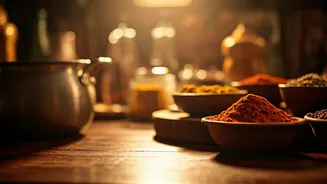
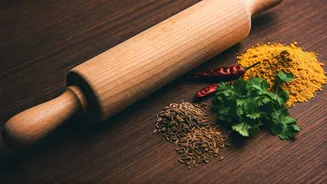
The secret weapon that makes this improvisation possible is the *masala dabba*, or spice box. This simple, circular tin containing small bowls of the most frequently used spices—turmeric, cumin seeds, coriander powder, red chili powder, mustard seeds—is the command center of the Indian kitchen. With this palette of foundational flavors at their fingertips, cooks can pivot in any direction. The vegetables and protein may change daily, but the ability to create a flavorful base, or *tadka* (spices sizzled in hot oil), remains constant. The *masala dabba* provides the structure for creativity, ensuring that even the most spontaneous meal is grounded in a deep, familiar flavor architecture. It’s the toolkit that turns a random assortment of ingredients into a coherent, delicious meal.
A Mindset for the Modern American Kitchen
While born in an Indian context, the “cook what you have” philosophy offers a powerful antidote to some of modern American food culture’s biggest anxieties. It directly combats food waste, encouraging us to use the wilting herbs and leftover rotisserie chicken rather than tossing them. It reduces the stress and expense of last-minute grocery runs for a single, exotic ingredient you may never use again. More importantly, it re-introduces a sense of creative agency into the kitchen. Instead of feeling like a failure for not having Sumatran peppercorns, you feel empowered to make a great meal with the black peppercorns you do have. It shifts the goal from perfect replication to joyful creation, making everyday cooking less of a chore and more of an art.