


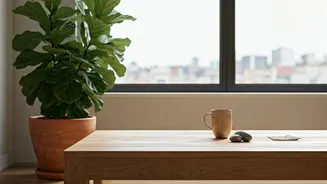


What Is This Calming Trend?
The trend is called biophilic design, and its premise is beautifully simple: humans have an innate tendency to seek connections with nature. When we honor that connection within our homes, we create spaces that feel inherently more peaceful and restorative.
It’s less about following a strict set of decorating rules and more about embracing a philosophy. Instead of sterile, disconnected rooms, biophilic design aims to create environments that mimic the patterns, materials, and sensations of the natural world. It’s the reason a room with a large window overlooking a garden feels so much more relaxing than a windowless basement, and this trend is about intentionally capturing that feeling throughout your entire living space.
Why Nature Makes Us Feel Better
This isn't just a feeling; it’s backed by science. The practice of “forest bathing” (Shinrin-yoku) in Japan has been shown to lower cortisol (the stress hormone), reduce blood pressure, and improve mood. Biophilic design applies these same principles to the built environment. Exposure to natural elements, even indoors, can reduce mental fatigue, enhance creativity, and promote a sense of well-being. Our brains are wired to find nature fascinating and non-threatening, allowing our overstimulated minds to rest and recover. By integrating natural patterns and living things into our homes, we’re tapping into a powerful, primal source of calm that helps buffer us from the stresses of modern life.
Start with Light and Air
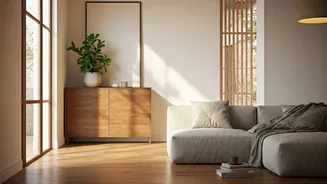
The easiest and most impactful way to begin is by maximizing natural light and fresh air. These are fundamental elements of the outdoor world. Ditch heavy, dark curtains for sheer or light-filtering blinds that allow sunlight to pour in. Sunlight not only illuminates a space but also helps regulate our circadian rhythms, which are crucial for sleep and energy levels. Clean your windows regularly to let in as much light as possible. When the weather permits, open your windows to allow for natural ventilation. The feeling of a fresh breeze and the subtle sounds from outside can instantly break the static feeling of a sealed-off room and make a space feel more alive and connected.
Bring the Greenery Indoors
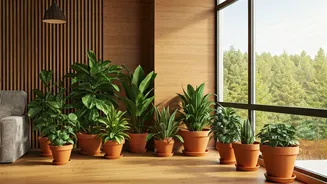
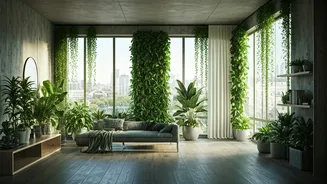
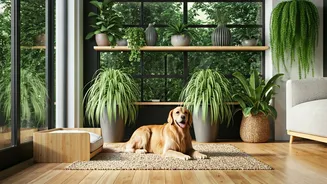
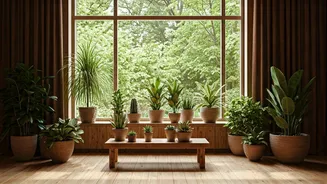
Houseplants are the most literal interpretation of biophilic design, and for good reason. They are living, breathing elements that purify the air and add vibrant color. You don’t need to turn your home into a jungle to feel the benefits. Start with a few low-maintenance plants like snake plants, pothos, or ZZ plants. Consider their placement: a trailing plant on a high shelf creates a cascading, waterfall-like effect, while a tall fiddle-leaf fig can serve as a stunning architectural anchor in a corner. The act of caring for plants itself can be a meditative practice, further contributing to a calmer home environment.
Embrace Natural Materials and Textures
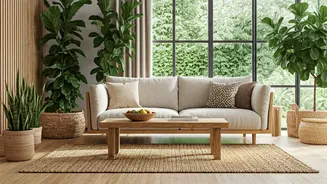
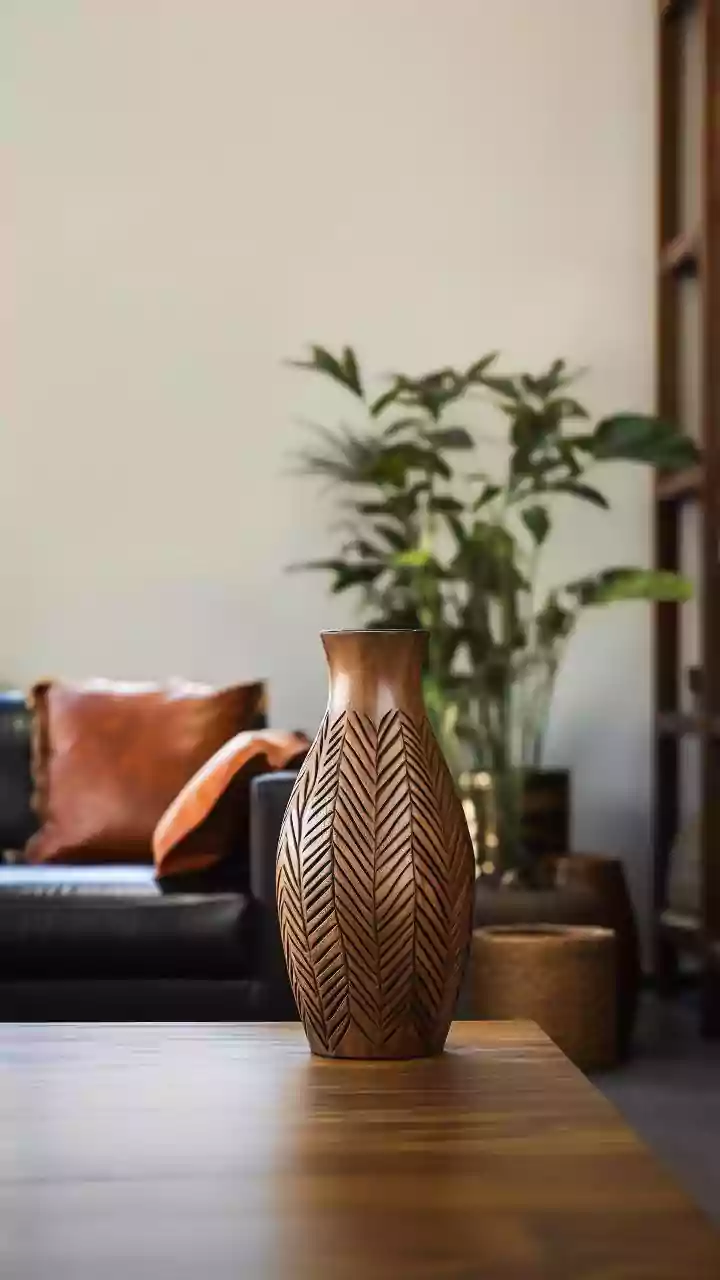
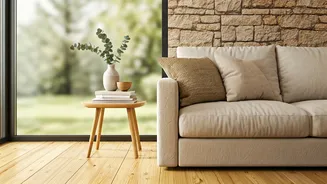
Move beyond the visual and engage your sense of touch. Incorporating materials that come from the earth adds a layer of authenticity and warmth that synthetic materials often lack. Think about a smooth, cool stone countertop, a grainy wooden dining table, a cozy wool blanket, or linen throw pillows. These textures are varied, imperfect, and grounding. They remind us of the world outside our walls and provide a tactile richness that is inherently comforting. Even small swaps, like choosing a jute rug over a polyester one or using terracotta pots for your plants, can begin to build this sensory connection to nature.
Use Nature-Inspired Colors and Forms
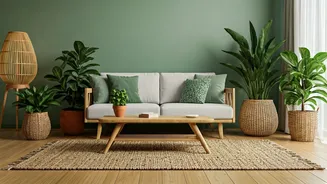
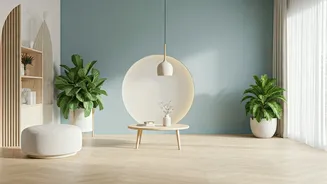
Finally, you can evoke nature through your color palette and the shapes of your furniture and decor. Nature is rarely made of straight lines and sharp angles. Opt for furniture with softer, more organic curves. For colors, draw inspiration from landscapes: earthy browns, soft greens, sky blues, and sandy beiges create a serene backdrop. These colors are easy on the eyes and promote relaxation. You can also incorporate natural patterns in subtle ways, such as through botanical-print wallpaper, art depicting landscapes, or textiles with leaf or water motifs. The goal is to create a harmonious visual flow that feels as gentle and effortless as a walk in the woods.