








From Niche Practice to Urban Obsession
Just a decade ago, Pilates was a relative unknown in India, overshadowed by the cultural dominance of yoga. Seen as a gentle, corrective exercise system developed by Joseph Pilates in the early 20th century, it was practiced by a handful of dedicated
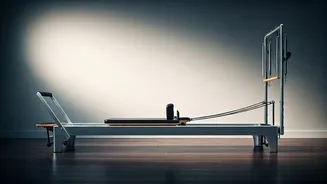
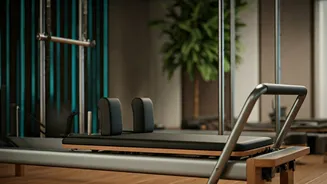
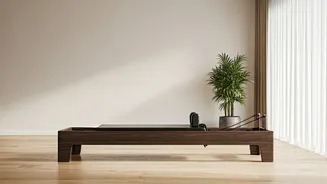
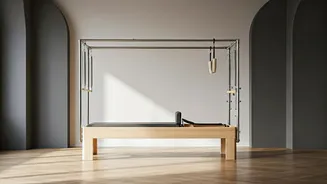
followers, often those recovering from injuries. Today, the scene couldn't be more different. Gleaming, minimalist studios are cropping up in affluent neighborhoods, staffed by certified instructors and filled with expensive reformer machines. It has evolved from a therapeutic practice into an aspirational lifestyle choice, and two cities are at the heart of this transformation: Mumbai and Bengaluru.
The Undeniable Bollywood Effect
You can’t talk about any trend in India without talking about Bollywood. Just as Hollywood stars shape consumer habits in America, India’s film icons are the nation’s ultimate influencers. The Pilates craze is fueled, in large part, by its celebrity disciples. Superstars like Deepika Padukone, Alia Bhatt, and Katrina Kaif are frequently photographed by paparazzi leaving their Pilates sessions, looking effortlessly chic in designer activewear. Their trainers, such as Yasmin Karachiwala and Namrata Purohit, have become celebrities in their own right, with massive social media followings and best-selling books. When fans see their favorite actors crediting Pilates for their strength and sculpted physiques, the workout gains an irresistible allure. It’s no longer just exercise; it’s a ticket to looking, and feeling, like a star.
Why Mumbai and Bengaluru?
It’s no accident that this trend is centered in these two megacities. Mumbai, the nation’s financial capital and the home of the Hindi film industry (Bollywood), is a natural breeding ground. It’s a city built on aspiration, where wealth, glamour, and influence collide. The presence of the film industry means a high concentration of actors, models, and industry professionals who place a premium on fitness and appearance, creating a powerful ripple effect. Bengaluru, often called the “Silicon Valley of India,” represents a different but equally potent driver. The city is home to a massive population of young, well-educated, and high-earning tech professionals. This demographic is globally connected, digitally savvy, and highly receptive to international wellness trends. They have the disposable income to spend on boutique fitness and a mindset that values self-care and personal optimization, making Pilates a perfect fit for their lifestyle.
More Than Just a Six-Pack
The rise of Pilates in India isn’t just about fitness; it’s a powerful symbol of a changing society. It signals the growth of a new urban, affluent middle and upper class with global tastes and disposable income. Participating in Pilates isn't just about building core strength; it's about participating in a global wellness conversation. It’s a quiet status symbol, a way to signal that you are modern, health-conscious, and part of a certain sophisticated set. In a country where traditionalism still holds sway, embracing a Western fitness method like Pilates is also a subtle act of cosmopolitanism. It reflects a shift away from purely traditional forms of well-being toward a hybrid approach that incorporates the best of both worlds.