
More Than Just Less Stuff
First, let’s clarify what warm minimalism is. It’s not just about owning fewer things; it’s about curating a space that feels intentional, serene, and deeply personal. While traditional minimalism can sometimes feel rigid or impersonal, the "warm" variant
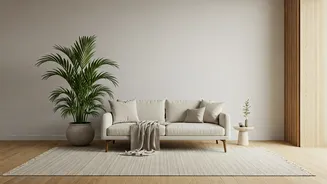
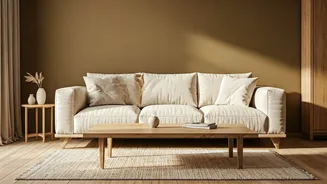
softens the edges. It achieves this by embracing a palette of earthy tones (think creams, beiges, and terracottas), incorporating rich natural textures like wood, linen, and wool, and favoring objects with organic, imperfect shapes. The goal isn't emptiness, but purposeful simplicity. It’s a philosophy that values quality over quantity and well-being over visual clutter. In this carefully edited environment, every single element has to pull its weight, and none works harder than sunlight.
Treating Light as a Material
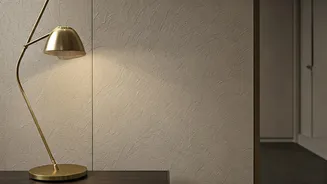
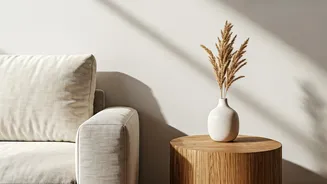
In warm minimalism, light isn't just something that helps you see; it's treated as a fundamental design material, as important as the oak floor or the linen sofa. The focus is specifically on *scattered* or *diffused* light. Direct, harsh sunbeams can feel aggressive and create sharp, distracting shadows. Scattered light, on the other hand, is soft and gentle. It’s the kind of light you get from a north-facing window, on a lightly overcast day, or filtered through sheer curtains. This diffusion softens the lines of the room, erases hard shadows, and wraps the entire space in a gentle, uniform glow. This softness is key to creating the style's signature calm and inviting atmosphere. It makes the room feel like it's taking a deep, quiet breath.
Bringing Textures to Life
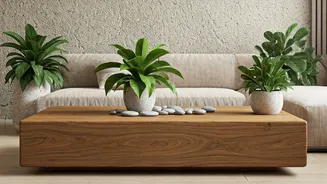
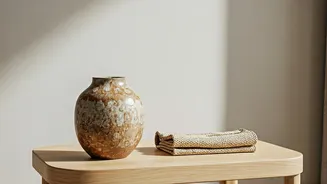
Warm minimalism is a deeply tactile style. It relies on the subtle interplay of textures to create interest and comfort. A nubby bouclé chair, the visible grain of a wooden coffee table, the soft weave of a wool rug—these are the details that prevent the space from feeling flat. Natural, scattered light is the perfect partner for these materials. Unlike harsh artificial light, which can wash out details, soft sunlight rakes across surfaces at a gentle angle. This grazing light catches the high points of a texture and casts tiny, soft shadows in the low points, revealing the material's depth and character. It makes wood grain look richer, fabric weaves more pronounced, and handmade pottery feel more organic. The light essentially “activates” the textures, making them a quiet focal point.
The Psychology of a Sun-Washed Room
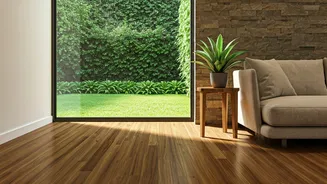
The obsession with natural light goes beyond aesthetics; it’s rooted in biophilia, the idea that humans have an innate need to connect with nature. Sunlight is one of our most primal connections to the natural world. Exposure to it helps regulate our circadian rhythms, boosts our mood by increasing serotonin production, and can even make us feel more productive and less stressed. A room bathed in natural light feels healthier, more vibrant, and more alive. By prioritizing sunlight, warm minimalism isn’t just making a style choice—it’s designing for psychological well-being. It creates a sanctuary that supports a calm and balanced state of mind, which is the ultimate goal of living with less.
Making 'Empty' Space Feel Full
Minimalism is as much about the space between objects—often called negative space—as it is about the objects themselves. In a poorly lit room, this negative space can feel like a void: empty, cold, and neglected. But in a room filled with scattered sunlight, that same negative space becomes something else entirely. It becomes a canvas. The light fills the air, giving it a tangible presence and a soft, atmospheric quality. The “emptiness” no longer feels empty; it feels peaceful and intentional. The light turns negative space into a positive feature, a quiet zone for the eyes to rest, contributing to the room’s overall sense of tranquility and order.