
Why We Crave More Than a Menu
For years, the restaurant formula was simple: serve good food at a fair price. But in today’s crowded marketplace, that’s just the starting point. Several forces have converged to make “experience” the new currency of dining. First, the post-pandemic
world left us starved for connection and novelty. After months of home cooking and takeout, a simple dinner out wasn’t enough; we wanted an *event*. Second, social media has turned every diner into a potential food critic and photographer. A visually stunning space or a theatrical dish is no longer a luxury; it’s a free, powerful marketing tool. An Instagram post of a color-changing cocktail does more work than a traditional ad ever could. Finally, with so many options available, from ghost kitchens to Michelin-starred establishments, restaurants need a unique selling proposition. Competing on taste alone is tough. Competing on a one-of-a-kind memory? That’s a game-changer.
From Dinner to 'Eatertainment'
This shift is most visible in the rise of “eatertainment” venues. Places like Puttshack (high-tech mini-golf and cocktails), Flight Club (social darts), and Pinstripes (bowling and bocce) blend activity with elevated food and drink menus. They’ve cracked the code: give people something to do besides talk, and they’ll stay longer, spend more, and bring their friends. But the trend isn’t limited to venues with games. It’s also about immersive, story-driven dining. Think of restaurants with a specific theme that extends from the decor and staff uniforms to the menu itself, creating a temporary escape. Some high-end restaurants now feature projection mapping that transforms the dining table into a canvas, or tasting menus where each course corresponds to a chapter in a story, complete with custom scents and sounds. It’s dinner-as-theater, and diners are booking seats months in advance for a spot in the show.
Designing for the Digital World
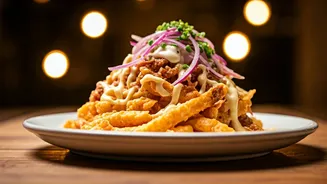
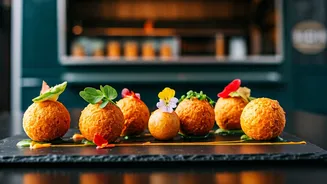
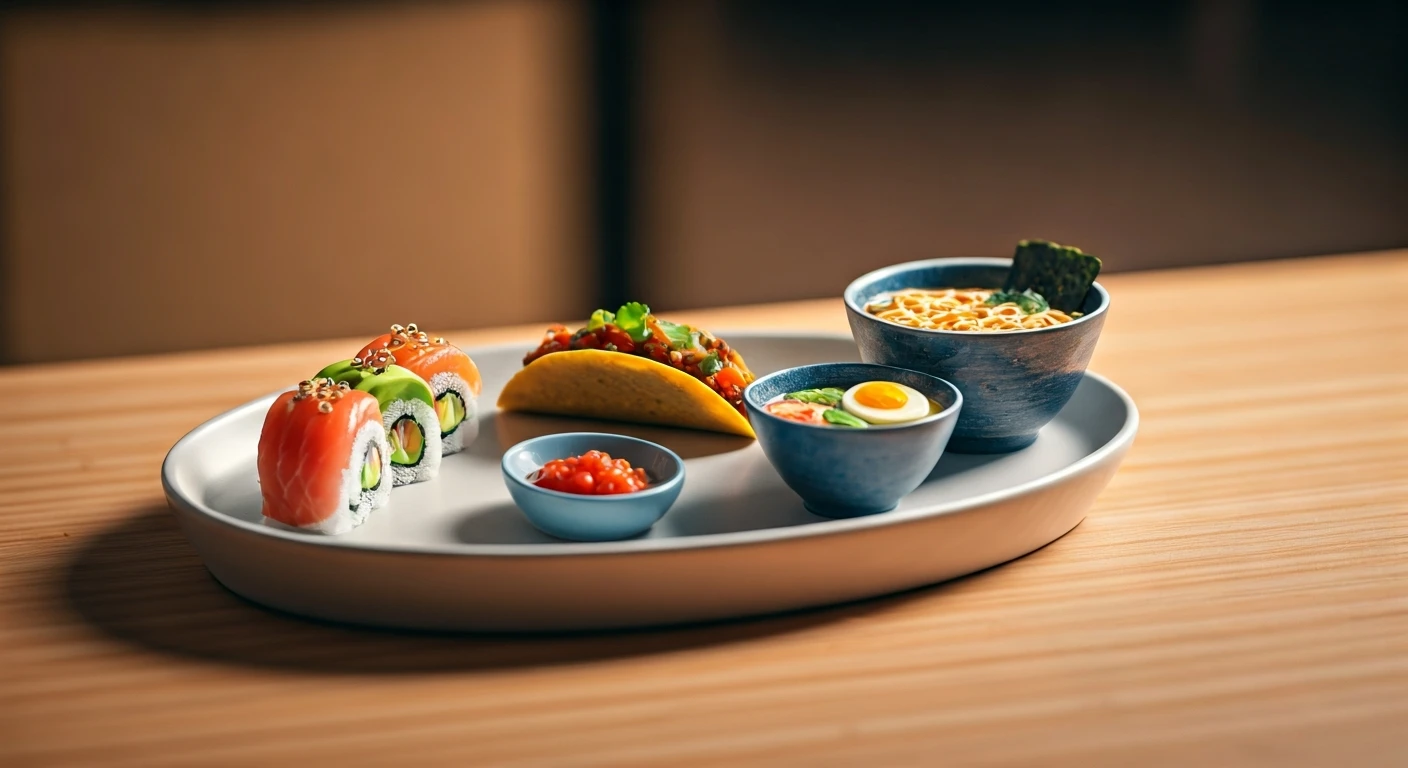
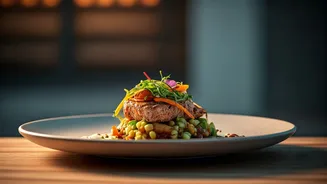
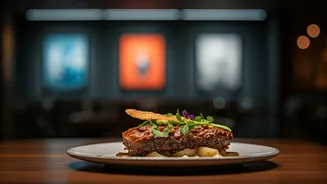
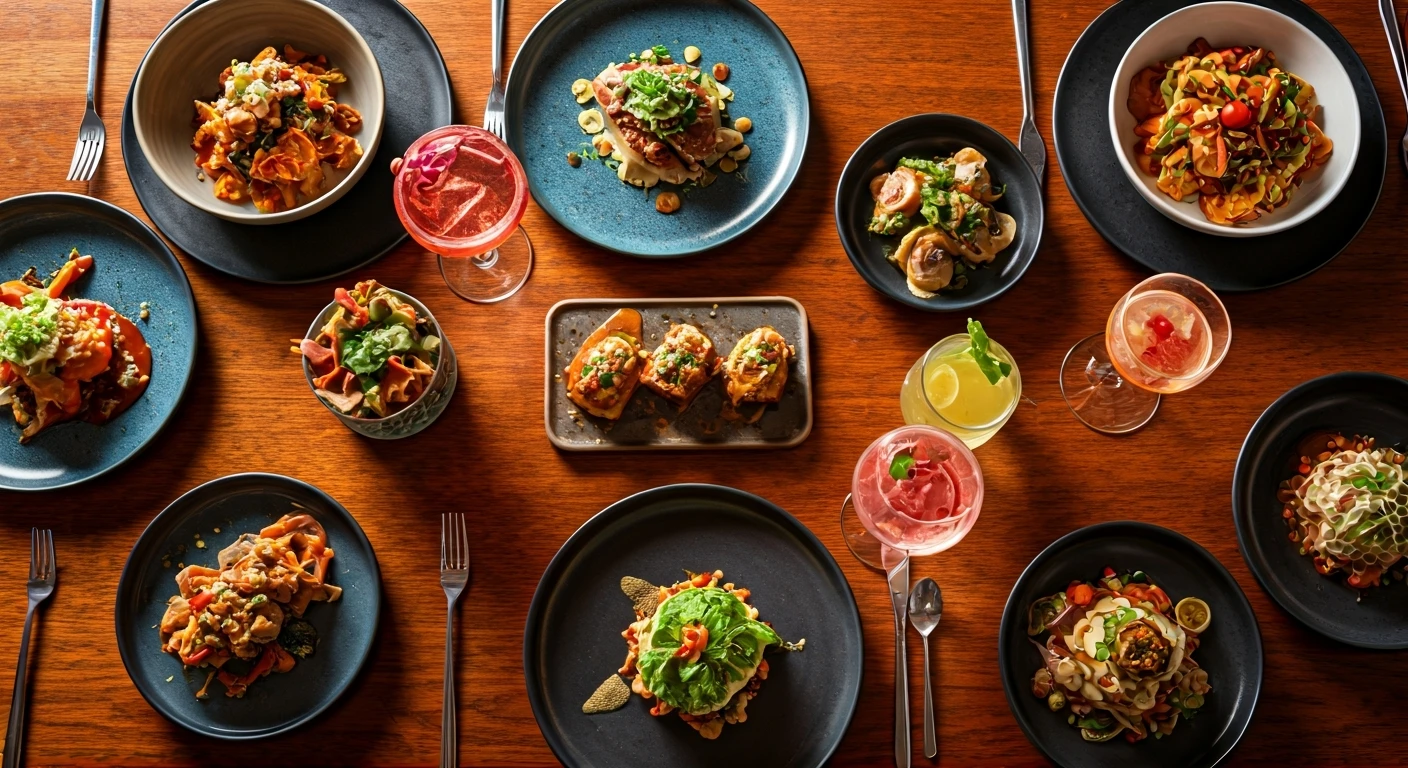
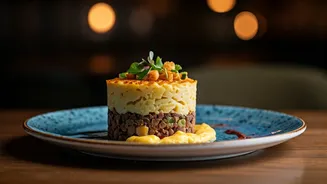
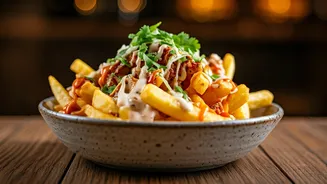
You can’t talk about experiential dining without talking about Instagram and TikTok. Savvy restaurateurs are now essentially set designers, creating spaces built for the camera. They obsess over “selfie moments”—a neon sign with a witty phrase, a lush plant wall, or a beautifully tiled bathroom floor that’s destined to appear in a shoe selfie. The lighting isn't just for ambiance; it's engineered to make food photos pop. Dishes are composed not just for flavor but for visual appeal. This might sound cynical, but it’s smart business. Every photo shared online is a personal endorsement that reaches a network of potential customers. The food no longer just has to taste good; it has to *look* like it tastes good, creating a digital breadcrumb trail that leads new diners to the door.
The Experience Can Also Be Delivered
This isn’t just a phenomenon for brick-and-mortar restaurants. The experience economy has infiltrated the world of food delivery and home cooking, too. During the pandemic, fine-dining establishments pivoted to elaborate meal kits that didn't just feed you—they taught you. The package might include pre-measured ingredients, a link to a video tutorial with the chef, and a curated playlist to set the mood. It transformed a simple meal into an engaging, skill-building activity. Similarly, some high-end takeout now focuses on the “unboxing experience,” with elegant, custom packaging that makes opening the box feel like unwrapping a gift. Direct-to-consumer brands are also building communities around their products with online forums and virtual cooking classes, turning a transactional purchase into a sense of belonging. The food is the product, but the community and education are the experience.