



The Land of Clouds and Rain
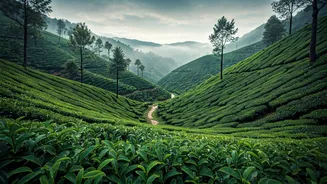
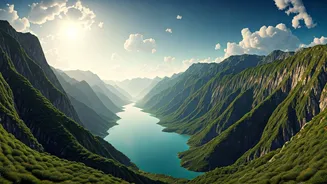
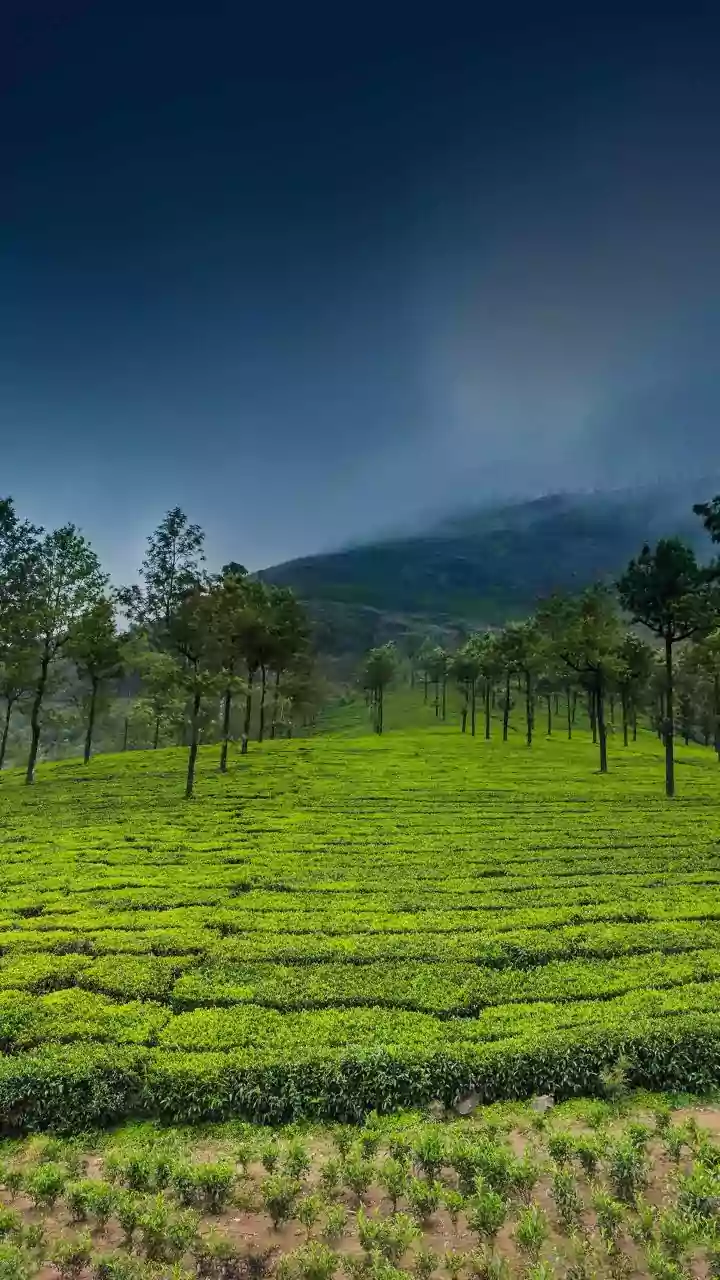
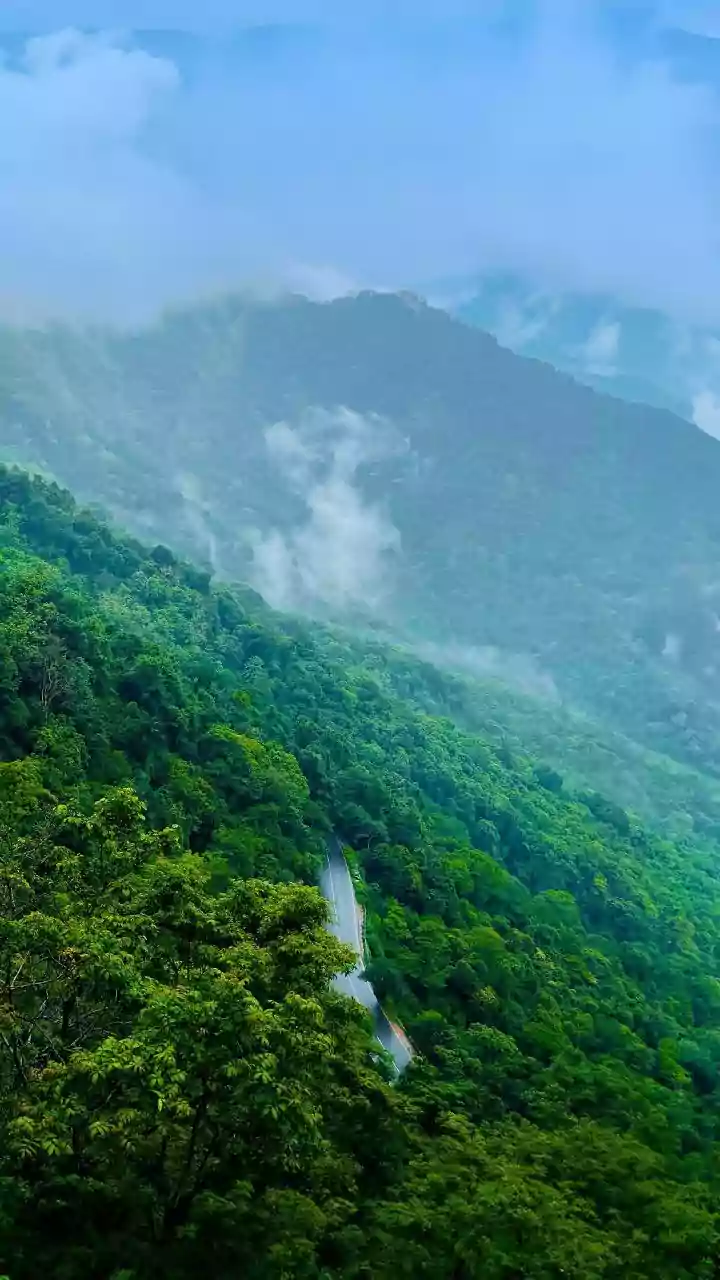
Locally known as Sohra, Cherrapunji is nestled in the state of Meghalaya, a Sanskrit name that translates to “the abode of clouds.” It’s a title the region earns every year. From June to September, the monsoon doesn't just visit; it takes up residence,
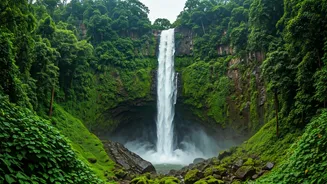
unleashing staggering amounts of rainfall that turn the landscape into a thousand shades of impossible green. For decades, this was seen as the off-season, a time when only the hardiest locals ventured out. But for a growing number of young travelers, weary of curated Instagram posts and predictable itineraries, the monsoon isn't a deterrent—it's the main attraction. They come seeking an experience that is raw, immersive, and completely at the mercy of the elements.
Embracing the Deluge
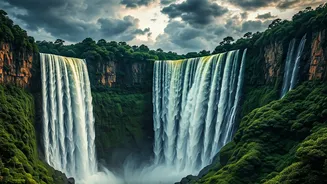
The modern backpacker, especially the post-pandemic traveler, is often looking for something more than relaxation. They’re chasing transformation, challenge, and a connection to something primal and real. The logic is simple: why fly halfway around the world to see a place when you can *feel* it? Exploring Cherrapunji during the monsoon is a sensory overload in the best possible way. It’s the constant, rhythmic drumming of rain on foliage, the smell of wet earth and petrichor, and the sight of impromptu waterfalls cascading down every hillside. This desire for authenticity aligns perfectly with the challenge of caving, an activity that requires you to trade the wide-open, rain-soaked vistas for the dark, mysterious world beneath them.
A Journey to the Earth's Core
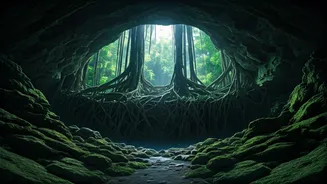
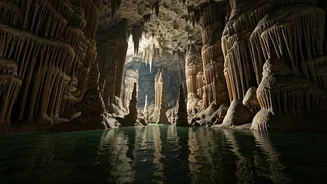
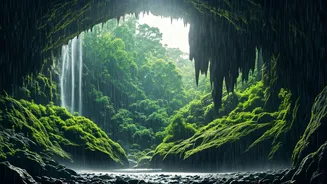
The caves of Meghalaya, like Mawsmai and Arwah, are ancient limestone and sandstone networks, natural cathedrals carved by water over millennia. During the dry season, they are fascinating geological sites. During the monsoon, they come alive. The gentle streams that trickle through their passages swell into rushing underground rivers. Waterfalls appear inside the caverns, echoing in the profound darkness. Armed with headlamps and guided by local Khasi experts who know these caves intimately, explorers wade through waist-deep, crystal-clear water. The beams of their lights catch glistening stalactites and the fossilized remains of ancient marine life embedded in the walls. It’s an otherworldly experience—part adventure sport, part geological pilgrimage—that feels a million miles away from everyday life. The challenge is part of the reward; navigating the slick rock and flowing water requires focus and trust, fostering a powerful sense of accomplishment.
More Than Just Caves
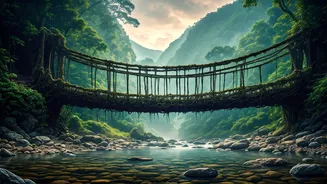
The appeal of a monsoon trip to Cherrapunji extends beyond the caves. This region is home to the Khasi people, who have developed a unique and harmonious relationship with their wet environment. Their most famous creations are the living root bridges—intricate structures woven from the roots of rubber fig trees, trained over years to span rivers and gorges. These bridges grow stronger over time, a perfect symbol of nature and humanity working in concert. For backpackers, seeing these bridges, often shrouded in mist and dripping with rain, is as profound as the caving itself. It's a reminder that this is not a wilderness to be conquered, but a living, breathing ecosystem to be experienced with respect. The journey becomes about understanding a different way of life, one adapted to the rain rather than one that hides from it.