




Why This Trend Is Taking Over
For years, a common critique of vegetarian diets was the perceived lack of protein, leading to meals that weren't always satisfying. The new wave of protein-focused vegetarianism is a direct response to that. It merges two major wellness currents: the plant-based
eating movement and the fitness world's emphasis on protein for muscle building, satiety, and overall health. Social media creators are showcasing that you don't have to choose between plant-forward values and hitting your protein goals. This approach appeals to a broad audience, from lifelong vegetarians looking to optimize their nutrition to flexitarians and meat-eaters wanting to reduce their meat consumption without feeling deprived or hungry. The visual nature of platforms like Instagram and TikTok is perfect for demonstrating just how hearty and appealing a high-protein, meat-free meal can be.
The New Vegetarian Plate
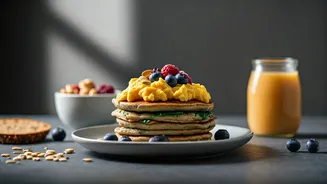
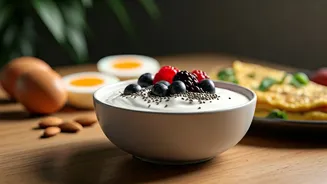
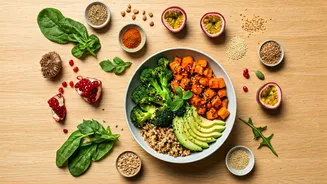
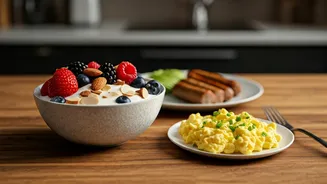
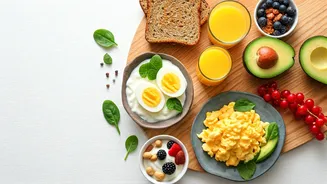
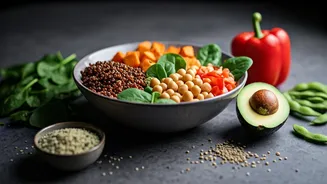
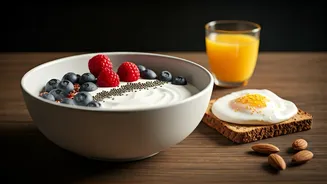
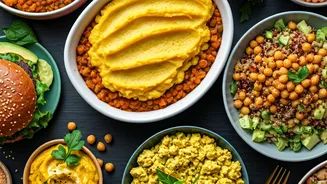
So, what does a protein-focused vegetarian meal actually look like? It’s about being strategic with ingredients. Forget the stereotype of a sad, limp salad. Think bigger, bolder, and smarter. The modern high-protein vegetarian plate is built around a substantial base of one or more protein sources. A lunch bowl might feature quinoa topped with roasted chickpeas, crumbled feta, and a scoop of Greek yogurt-based dressing. Dinner could be a rich, savory stew made with lentils and mushrooms, served with a side of high-protein pasta made from chickpeas or lentils. Even breakfast gets an upgrade, with options like silken tofu scrambles, protein-packed smoothies with soy milk and hemp seeds, or savory cottage cheese bowls topped with nuts and seeds. The goal is to ensure protein is the star of the meal, not an afterthought.
Your Protein Power Players
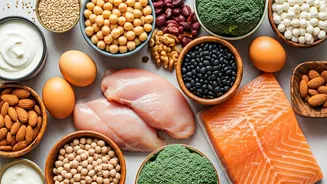
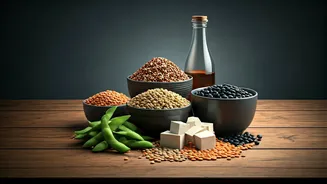
Building a high-protein vegetarian diet is all about knowing your go-to ingredients. While tofu, tempeh, and edamame are classic powerhouses, the modern pantry has expanded significantly. Here are some key players:
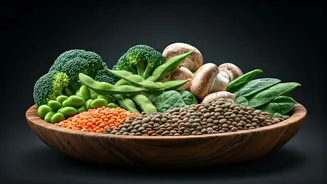
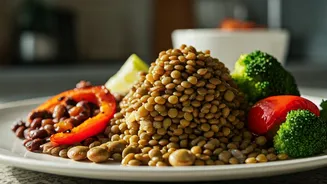
- Legumes: Lentils and chickpeas are cheap, versatile, and packed with both protein and fiber. A single cup of cooked lentils provides around 18 grams of protein.
- Dairy (if included): Greek yogurt and cottage cheese are superstars. A cup of plain, low-fat Greek yogurt can contain over 20 grams of protein. Skyr, a similar Icelandic-style yogurt, is another excellent option.
- Seitan: Made from wheat gluten, seitan has a uniquely meaty texture and can boast 25 grams of protein or more per 3.5-ounce serving.
- Seeds and Nuts: Hemp seeds, chia seeds, and nutritional yeast are easy to sprinkle on salads, oatmeal, or yogurt for an extra protein and nutrient boost.
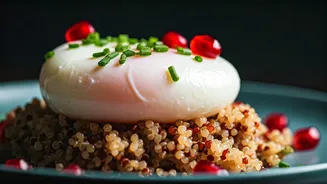
- High-Protein Grains: While not as high as legumes, grains like quinoa and farro contribute meaningful protein and complex carbs for sustained energy.
Common Mistakes to Avoid
As with any popular diet trend, there are pitfalls to watch out for. The goal is to eat more protein, not just more processed foods. Many newly popular 'high-protein' snacks can be loaded with sodium, sugar, and artificial ingredients. Be wary of relying too heavily on protein bars and powders instead of whole food sources. Another common mistake is loading up on high-fat proteins like cheese to hit your numbers. While cheese can be part of a balanced diet, making it your primary protein source can significantly increase your saturated fat intake. Finally, don't forget about variety. It’s easy to find a few high-protein meals you love and eat them on repeat, but this can lead to nutrient gaps. Ensure you’re still eating a wide range of vegetables, fruits, and healthy fats to get the full spectrum of vitamins and minerals your body needs.