


From Gourmet to 'Girl Dinner'
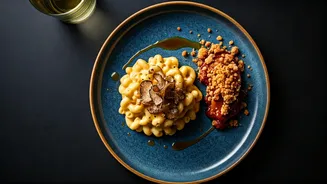
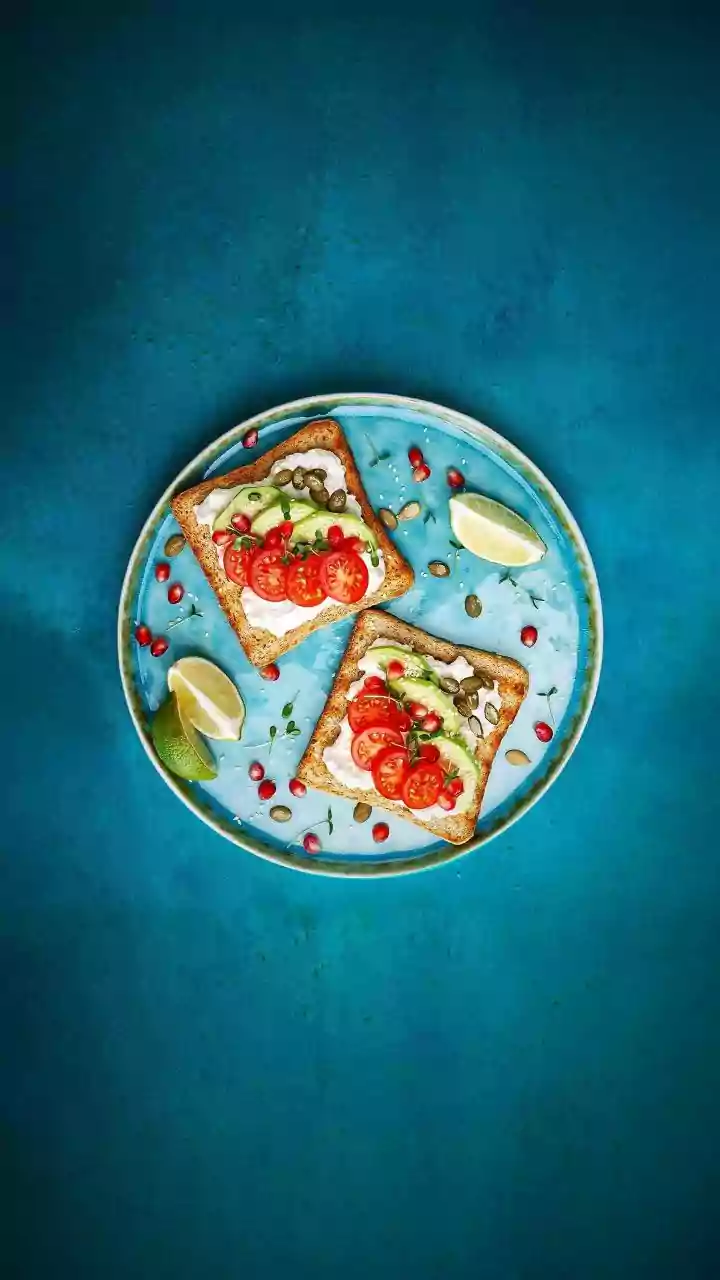
Not long ago, culinary credibility on social media was earned through displays of effort and expense. Think homemade sourdough, complex cocktails, and farmers market hauls. Millennial foodie culture prized aesthetics, artisanship, and the story behind
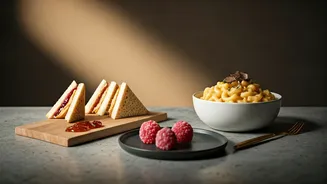
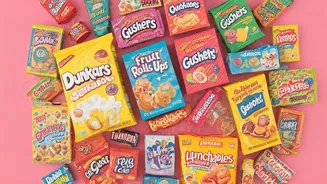
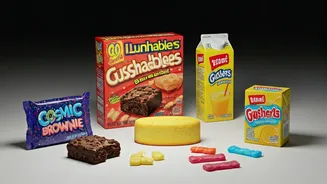
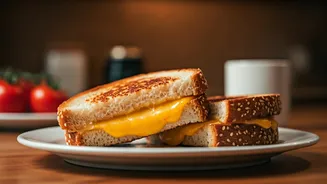
the ingredients. Today, a different ethos is taking over feeds, driven by Gen Z. The new flex is a bowl of Kraft Mac & Cheese, a plate of Dino Nuggets, or a Lunchable arranged with zero irony. It’s the viral phenomenon of 'girl dinner'—a snack-plate meal of whatever’s in the fridge, from cheese sticks and pickles to a handful of chips. This isn’t a failure to cook; it's a deliberate choice. It’s a celebration of ease, comfort, and the rejection of the pressure to perform culinary perfection for an imaginary online audience. The flex is no longer, 'Look at the amazing meal I created,' but rather, 'Look at how unbothered I am by your expectations.'
A Backlash Against Curated Perfection
This shift can be seen as a direct reaction to the high-gloss, high-pressure world of the 2010s influencer. Gen Z grew up observing the anxieties that came with maintaining a perfect online persona, and that includes the performance of eating. While Millennials documented their journey to find the most authentic Neapolitan pizza, Gen Z is posting TikToks about the pure, unadulterated joy of a Taco Bell Crunchwrap Supreme. It’s a form of radical authenticity. By embracing foods that are mass-produced, processed, or associated with childhood, they are subverting the very idea of what constitutes 'good taste.' They are decoupling food from social climbing and reclaiming it as a source of personal satisfaction. The message is clear: my self-worth isn’t tied to the aesthetic value of my lunch. Eating a sleeve of saltine crackers for a meal isn't a cry for help; it's a power move.
The Potent Power of Nostalgia
For a generation that came of age amidst global instability, economic uncertainty, and a pandemic, comfort is a powerful currency. The foods of the '90s and early 2000s offer a potent dose of nostalgia—a throwback to a simpler, more stable time (or at least, a time perceived as such). Eating a bowl of Cinnamon Toast Crunch or a microwaved Hot Pocket isn't just about the taste; it's about briefly accessing the feeling of being a kid with fewer worries. Brands have caught on, re-releasing old formulas and reviving retired mascots to tap into this emotional goldmine. This isn’t just about retro marketing. It's a genuine cultural coping mechanism. In a world that feels increasingly complex and demanding, the simple, predictable comfort of a Pop-Tart is an emotional safe harbor. It’s a small, edible act of self-care.
It's the Economy, Stupid (and Delicious)
Let’s not forget the most practical driver of this trend: money. Gen Z is navigating a world of inflation, stagnant wages, and crushing student debt. The economics of the Millennial foodie lifestyle—with its emphasis on organic, locally sourced, and premium ingredients—is simply out of reach for many. A $19 salad is an indulgence, but a $3 box of pasta and a jar of sauce can feed you for two days. The embrace of familiar, affordable food is as much a financial reality as it is a cultural statement. When you can make a satisfying meal for a few dollars and post about it without shame, you’re not just eating; you’re normalizing frugality. It turns a financial constraint into a point of pride and relatability. Flexing a cheap and easy meal is a way of acknowledging the economic pressures everyone is facing, creating community around shared experience rather than aspirational fantasy.