





The Rise of the 'Party Pace'
For decades, the image of a running club was one of lean, serious athletes chasing PRs and strategizing for their next marathon. But a new movement is quietly reframing what it means to run together. These aren’t your traditional track clubs. They are social
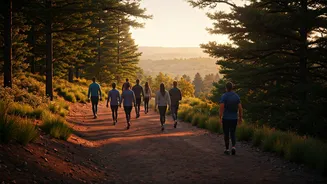
hubs that happen to involve jogging. The unofficial motto is “party pace”—a speed slow enough for conversation to flow freely. The goal isn't to finish first; it's to finish together. This shift reflects a broader cultural desire for activities that blend wellness with genuine human connection. After years of atomized, app-driven workouts and the lingering social isolation from the pandemic, people are craving low-stakes, in-person community. These clubs provide just that. They offer a simple, accessible antidote to loneliness, disguised as a 5K.
Finding the Modern 'Third Place'
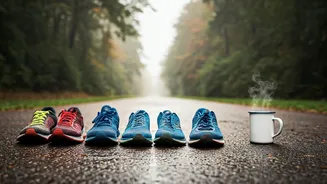
Sociologist Ray Oldenburg coined the term “third place” to describe the crucial anchors of community life that exist outside the home (the first place) and the office (the second place). Think cafes, pubs, bookstores, and community centers where people gather and connect. As many of these traditional spaces have declined, Americans have been searching for replacements. For a growing number, the misty Saturday morning run is it. These clubs create a recurring, informal social infrastructure. You don’t need an invitation, just a pair of running shoes. It’s a space where people from different walks of life can meet on equal footing, literally. The shared, gentle effort of the run breaks down social barriers, creating an environment where conversations start easily and friendships form organically.
The Post-Run Ritual Is the Main Event
Ask any member of these new-wave running clubs what the most important part of the morning is, and they’ll likely say the same thing: the coffee afterward. The run itself is often just the prelude. The main event is the hour or two spent lingering at a local coffee shop, bakery, or park, still in sweaty athletic wear, chatting over lattes and pastries. This post-run gathering is where the community is truly forged. It's where inside jokes are born, weekend plans are made, and deeper connections are built. It transforms a simple fitness activity into a cornerstone of one's social life. This structure—a shared challenge followed by a shared reward—is a powerful formula for bonding, making the group feel less like a workout class and more like a chosen family.
From Instagram Grid to Sidewalk Crew
Ironically, this very analog movement is largely powered by digital tools. Most of these clubs live on Instagram or group chats, where weekly routes are posted, start times are confirmed, and group photos are shared. The aesthetic is often a key part of the appeal—groups of smiling, diverse people in vibrant running gear, creating a visual invitation that feels welcoming and inspiring. But unlike many online communities that remain virtual, the entire point of these digital posts is to drive real-world action. The Instagram grid serves as a clubhouse bulletin board, a way to attract new members and maintain momentum. It’s a perfect example of technology being used not as a substitute for connection, but as a catalyst for it. The online hype is just the starting gun for the offline friendships.