


Why We're Craving Purposeful Travel
After years of digital overload and social distance, the way Americans think about vacation has fundamentally changed. We’re no longer content with passive sightseeing; we’re chasing active participation. It’s a collective move away from simply ‘going
somewhere’ to ‘doing something’ with intention. This isn't just about escaping our daily routines, but enriching them. Travel has become a tool for self-care and personal growth, a way to reconnect with the physical world, our communities, and ourselves. Industry experts point to this search for authenticity and meaning as the primary driver behind the boom in niche, experience-based tourism. We don't just want a photo of the destination; we want to taste it, learn from it, and feel changed by it.
The Rise of the Modern Food Trail
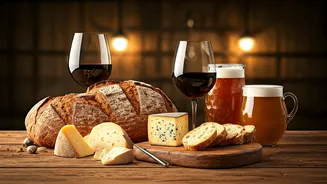
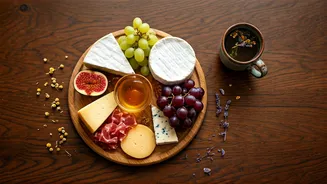
The idea of a food trail has evolved far beyond a simple winery tour. Today, it’s a curated journey into the heart of a region's culture, told through its flavors. Think of the Kentucky Bourbon Trail, the Vermont Cheese Trail, or North Carolina's Historic Barbecue Trail. These aren't just a series of stops; they're narrative experiences. You're not just tasting bourbon; you’re meeting the distillers, learning about the unique limestone water, and understanding the history of the craft. The appeal lies in this deep, sensory storytelling. Food trails provide structure to exploration, turning a simple road trip into a mission. They allow travelers to connect with local artisans, farmers, and chefs, gaining an appreciation for the terroir and tradition that make a place unique. It transforms eating from a necessity into the main event—a delicious, educational adventure.
Redefining the Wellness Escape
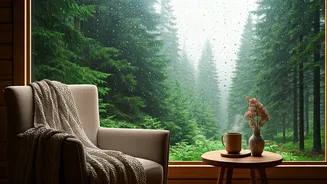
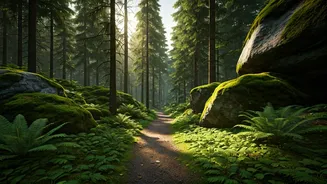
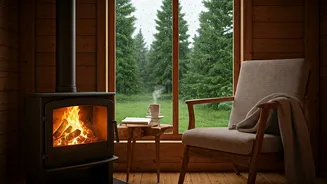
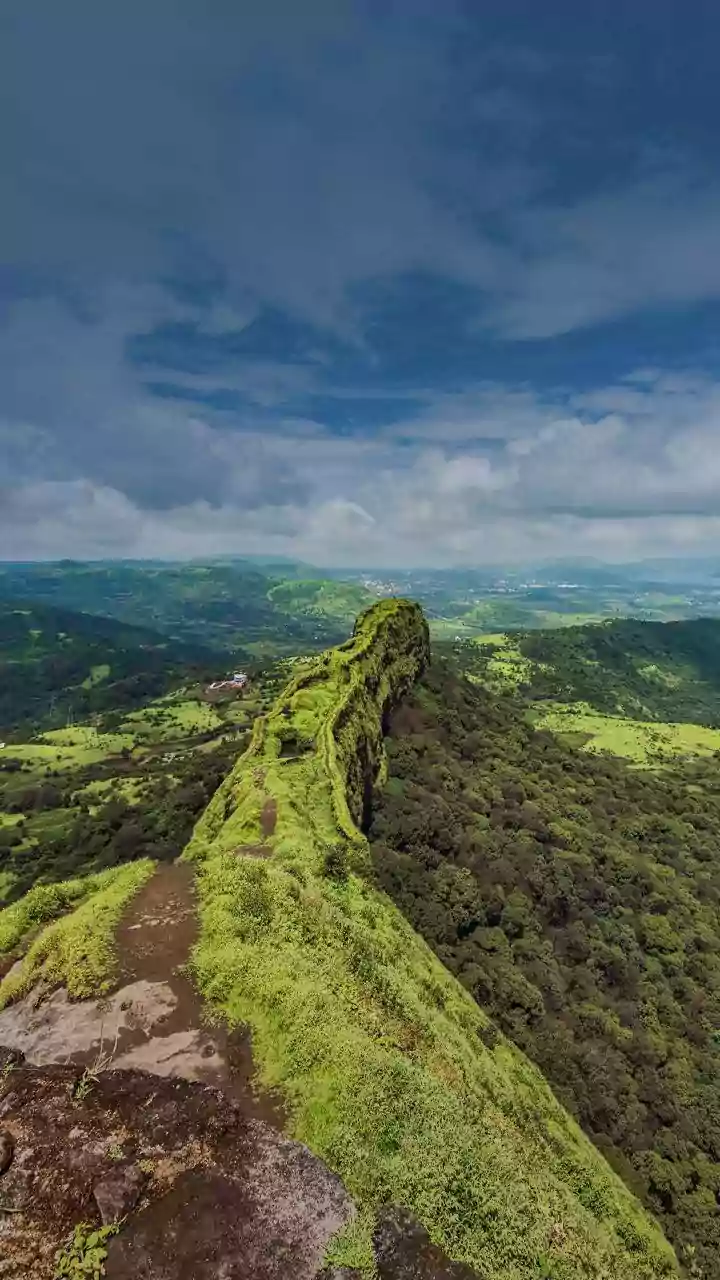
The term 'wellness' used to conjure images of restrictive juice cleanses and punishing boot camps at high-end spas. Not anymore. The new wellness escape is more holistic, accessible, and focused on mental and emotional restoration. It’s less about deprivation and more about addition: adding nature, mindfulness, and gentle movement back into our lives. These trips can take many forms. It could be a digital detox weekend at a remote cabin, a yoga and hiking retreat in the mountains of Utah, or a forest bathing (shinrin-yoku) experience in the Pacific Northwest. The goal is to disconnect from the noise of modern life and reconnect with a slower, more intentional rhythm. The focus has shifted from physical transformation to mental clarity, offering tools and practices that travelers can bring back home with them. It’s about building a sustainable sense of well-being, not just a temporary fix.
When Culinary Meets Calm
Perhaps the most interesting evolution in this space is the blurring of lines between culinary and wellness travel. The two trends are no longer mutually exclusive. Forward-thinking destinations understand that good food and good living go hand-in-hand. You’ll now find wellness retreats with dedicated farm-to-table culinary programs, where guests learn to cook nourishing meals with ingredients they helped harvest. Conversely, some food-focused lodges are integrating mindfulness, offering guided walks before a multi-course dinner or yoga sessions overlooking a vineyard. This hybrid approach acknowledges a simple truth: nourishing your body with wholesome, delicious food is a fundamental act of wellness. This fusion creates a more complete, satisfying experience that feeds both body and soul, proving you don't have to choose between indulgence and well-being.
How to Find Your Perfect Path
Ready to plan your own experience-driven getaway? Start by defining your primary goal. Are you seeking culinary discovery or mental quiet? Or a mix of both? If you're a foodie, look for official state or regional 'trails' for things like cheese, barbecue, coffee, or spirits—they often provide maps and passports for a gamified experience. For wellness, search for retreats based on activities you enjoy, like hiking, yoga, or meditation. Don't be afraid to look beyond dedicated resorts; many state and national parks offer ranger-led mindfulness walks or dark-sky programs. Read reviews carefully to understand the vibe—is it rustic and communal or luxurious and private? The perfect trip is one that aligns with your personal definition of a good time, so choose the path that calls to you.