




What Is Functional Movement, Anyway?
Before diving into why it's exploding in India, let’s get on the same page. Functional movement isn’t about building biceps for the beach. It’s about training your body to handle real-life activities more easily and safely. Think about the movements you do
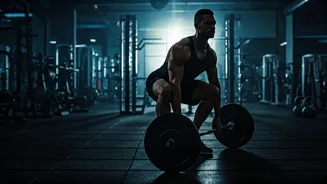
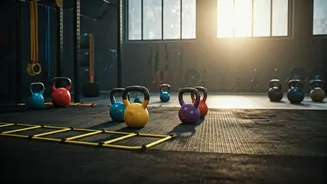
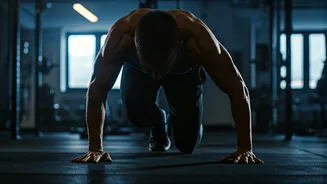
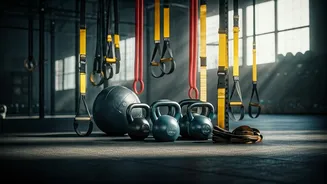
every day: squatting to pick up a package, lifting a heavy suitcase into an overhead bin, twisting to grab something from the back seat of your car, or pushing a lawnmower. Functional training uses exercises like squats, deadlifts, kettlebell swings, and farmer's walks to strengthen the body as a single, coordinated unit, rather than isolating individual muscles. The goal is simple and profound: make life outside the gym better. It’s a philosophy that prioritizes ability over aesthetics, preparing you for the physical demands of your world.
A Cultural Shift from Aesthetics to Ability
For years, the mainstream fitness ideal in India, heavily influenced by Bollywood, was centered on aesthetics—achieving a chiseled six-pack or a size-zero figure. But a significant cultural shift is underway. The COVID-19 pandemic, in particular, acted as a massive catalyst, pushing public consciousness toward long-term health, immunity, and resilience. People began asking a different question: not just “How do I look?” but “How well does my body work?” Functional fitness provides a direct answer. It resonates with a growing desire for practical wellness and longevity. This new mindset values being strong enough to play with your kids without getting winded, agile enough to avoid a fall, and mobile enough to sit and stand without pain well into old age. It’s a move away from short-term visual goals and toward a sustainable, lifelong partnership with one's own body. Indian fitness influencers are tapping into this, showcasing strength and skill over simple muscle definition, and their audience is responding enthusiastically.
Modern Science Meets Ancient Roots
While the term “functional training” is modern, its principles have deep, unspoken roots in Indian culture. Traditional practices have long emphasized movement, strength, and mind-body connection in a way that aligns perfectly with this trend. Yoga, for example, is inherently functional, building balance, flexibility, and integrated strength through dynamic flows and poses. Similarly, ancient martial arts like Kalaripayattu—one of the oldest in the world—are based on fluid, powerful, and often animal-inspired movements that are the very definition of functional. Even the traditional 'gada' (mace) has been rediscovered as a powerful tool for building rotational strength and shoulder stability, appearing in trendy gyms across Mumbai and Bangalore. This cultural familiarity makes functional fitness feel less like a foreign import and more like a modern evolution of indigenous wisdom about the human body.
The Perfect Fuel for Social Media
This movement isn't just happening in gyms; it’s being broadcast across millions of screens. Functional workouts are visually compelling and perfect for the short-form video formats of Instagram Reels and YouTube Shorts. A slow, controlled bicep curl is hard to make exciting, but a dynamic kettlebell flow, a gravity-defying animal walk, or a powerful mace swing is captivating. It looks impressive, skillful, and authentic. Indian influencers are leveraging this, creating content that is both educational and aspirational. They’re not just posting selfies; they’re teaching a skill and demonstrating a capability. This creates a more engaged community, where followers are inspired to try the movements themselves, sharing their own progress and creating a powerful, self-perpetuating cycle of content that continues to flood social feeds.