






1. Rahul Dravid: The Wall
Imagine a player so reliable, so selfless, and so technically perfect that his nickname is simply “The Wall.” That’s Rahul Dravid. For over a decade, he was the anchor of the Indian batting lineup, a man who seemed to relish the toughest situations. While
others scored flashy, quick runs, Dravid specialized in marathon innings that broke the will of opposing bowlers. In cricket, especially five-day Test matches, wearing down the opposition is as crucial as scoring. Dravid would bat for hours, sometimes days, absorbing pressure and setting the stage for others to shine. He is one of the few players in history to score over 10,000 runs in both Test and One-Day International (ODI) cricket. Yet, because he played alongside the explosive Tendulkar, his quiet, monumental consistency was often seen as the support act rather than the main event. For purists, Dravid wasn't just great; he was the embodiment of cricket's virtues: patience, courage, and unwavering dedication to the team.
2. Anil Kumble: The Fighter
Anil Kumble was not your typical leg-spinner. Traditional spinners use flight and sharp turn to deceive batsmen. Kumble, unusually tall for a spinner, relied on pace, bounce, and relentless accuracy. He didn't turn the ball much, but his deliveries would skid off the pitch, hurrying the batsman. Critics initially dismissed his style as unorthodox, but they couldn't argue with the results. Kumble is India's highest wicket-taker in history and the third-highest of all time, with 619 Test wickets. His defining moment came in 2002 against the West Indies when he bowled 14 consecutive overs with a broken jaw, even managing to take the prized wicket of Brian Lara. It’s an act of grit comparable to an NFL quarterback playing with a broken bone or an NBA star hitting free throws on a torn ACL. He was a thinker and a warrior who proved that you don't need a classic technique to become an all-time great.
3. VVS Laxman: The Artist
Very Very Special Laxman—his nickname was no exaggeration. VVS Laxman was a middle-order batsman who was part magician, part surgeon. Armed with supple wrists and incredible timing, he could hit the same delivery to four different parts of the field. He was an artist in an era of power hitters. Laxman’s genius truly shone when the team was in trouble, especially against the dominant Australian side of the 2000s. His epic innings of 281 in 2001 against Australia is considered by many to be the greatest Test innings ever played. India was forced to follow-on (a rare occurrence where a team bats twice in a row), and Laxman’s knock not only saved the match but led to an impossible victory, turning the tide of the entire series. Despite a stellar record and a reputation as the ultimate crisis man, he was often the fourth name mentioned in a batting lineup that included Tendulkar, Dravid, and Sehwag. He was the clutch player who never seemed to crave the spotlight he so richly deserved.
4. Javagal Srinath: The Pioneer
For decades, Indian cricket was known for its masterful spinners. Fast bowling—the cricket equivalent of a 100-mph fastball pitcher—was an afterthought. Then came Javagal Srinath. As India’s first genuine express-pace bowler, he was a lone warrior, often toiling on unhelpful, dusty pitches designed for spinners. Clocking speeds of over 90 mph, he gave India’s bowling attack a sharp edge it had always lacked. Think of him as the first star quarterback on a team that had only ever known a ground-and-pound running game. He was the sole spearhead of India’s pace attack for most of his career, carrying an immense burden without a consistent partner. With over 300 ODI wickets and 236 in Tests, Srinath’s numbers are impressive, but his true impact was in changing the perception of fast bowling in India and paving the way for the world-class pace batteries the country produces today.
5. Gautam Gambhir: The Big-Game Champion
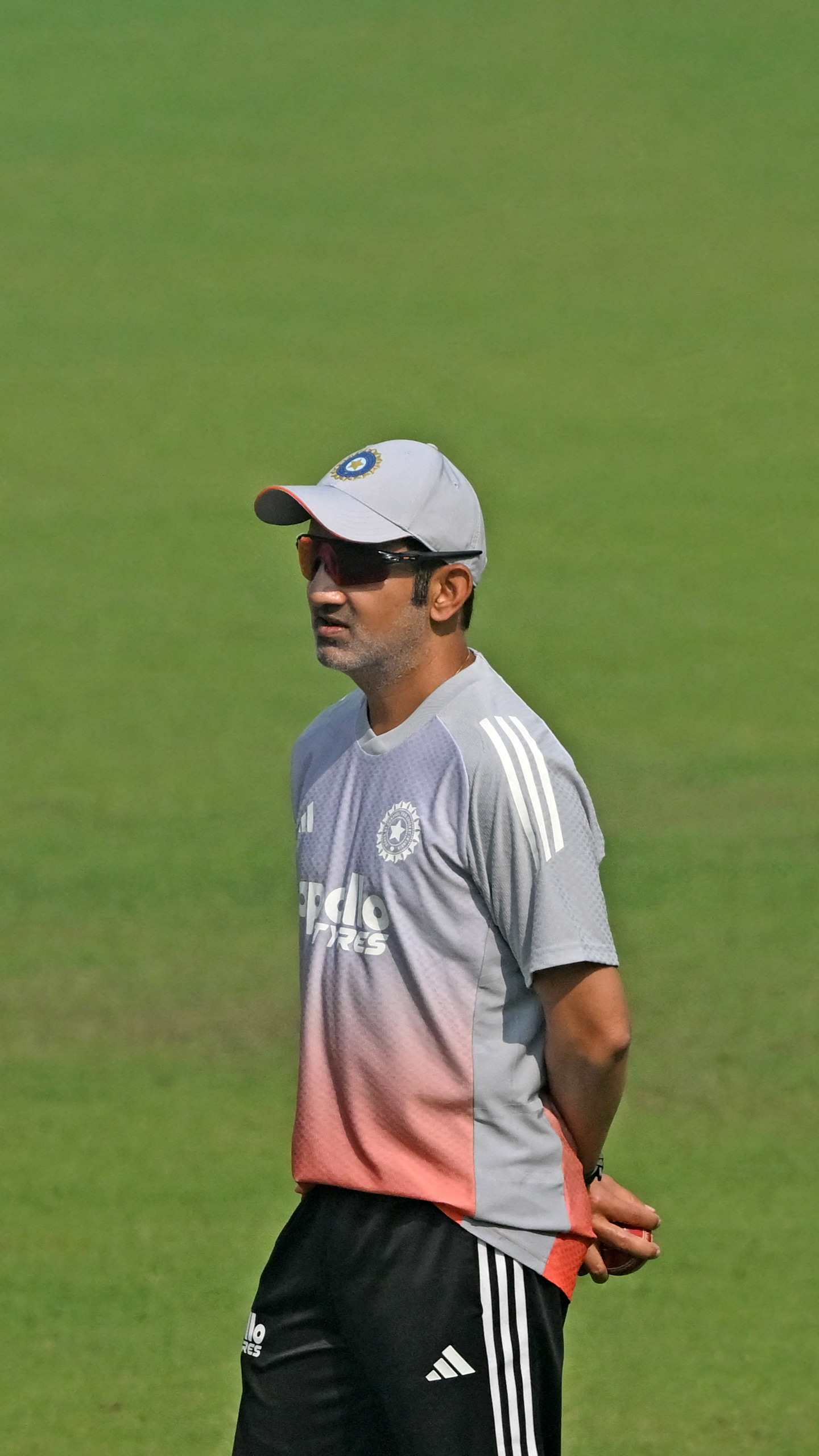
How can the man who top-scored for his team in two World Cup final victories be underrated? That’s the enigma of Gautam Gambhir. In the 2007 T20 World Cup final, his 75 runs were the backbone of India's total. In the 2011 ODI World Cup final, after India lost two early wickets, he played a gritty, match-stabilizing knock of 97. That innings is often overshadowed by captain MS Dhoni’s famous six to win the game, but without Gambhir’s foundation, that triumphant moment might never have happened. Gambhir was an aggressive, passionate, and often confrontational opener who never backed down from a fight. He played with a chip on his shoulder, channeling that intensity into crucial performances when the stakes were highest. His contributions in those two finals alone should have made him a national icon, but he remains a hero more appreciated by connoisseurs than the general public.