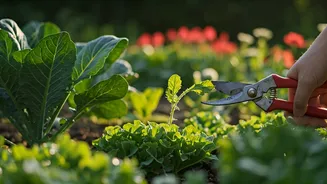





Why Clean Cuts Are Your First Step
Think of a pruning cut as a necessary surgery for your plant. A ragged, torn cut made with a dull blade creates a large, shredded wound that struggles to heal. This open wound is a welcome mat for fungal spores, bacteria, and boring insects. Pathogens
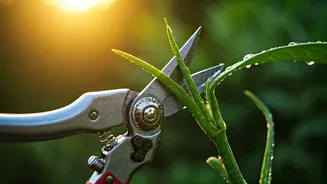
can easily enter the plant's vascular system, leading to diseases like canker, blight, and rot that can weaken or even kill your prized perennials and shrubs. In contrast, a clean, sharp cut is a small, precise incision. The plant can quickly seal off this wound through a process called compartmentalization, forming a protective layer of callus tissue over the cut surface. This natural barrier effectively blocks diseases and pests, allowing the plant to redirect its energy toward producing more flowers, fuller foliage, and stronger roots instead of fighting off infection.
Sharpen and Sanitize Your Tools
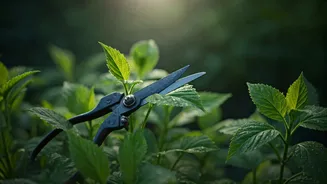
You can't make a clean cut with a dirty, dull tool. Before your first snip, inspect your hand pruners, loppers, and shears. Are the blades caked with old sap and soil? Are there nicks or rust spots? Begin by scrubbing your tools with hot, soapy water and a stiff brush to remove physical debris. For sharpening, a simple diamond file or a dedicated blade sharpener works wonders. Follow the original bevel of the blade, pushing the sharpener away from you in smooth, consistent strokes. A sharp blade glides through stems; a dull one crushes them. After sharpening, sanitation is non-negotiable. Wipe the blades with a cloth soaked in isopropyl alcohol (at least 70% concentration) or a 10% bleach solution (one part bleach to nine parts water). This kills any lingering microscopic pathogens. Be sure to re-sanitize your tools between plants, especially if you know you’ve been working on a diseased one.
The Anatomy of a Perfect Prune
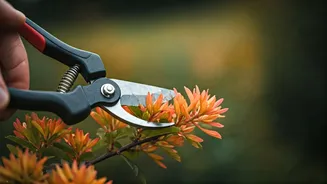
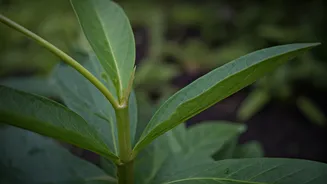
Technique matters as much as the tool. The goal is to encourage the plant to grow in a desired direction and to remove dead or weak wood without leaving a vulnerable stub. When pruning a branch back to a main stem, locate the “branch collar”—the slightly swollen area where the branch joins the trunk. Make your cut just outside this collar, without cutting into it and without leaving a long stub. The collar contains specialized cells that facilitate rapid healing. If you are trimming a stem back to an outward-facing bud, make your cut about a quarter-inch above the bud. The cut should be angled at 45 degrees, slanting away from the bud. This angle allows water to run off the cut surface, preventing rot, while the proximity to the bud ensures new growth will be directed outward, promoting good air circulation within the plant.
What to Trim in Early Summer
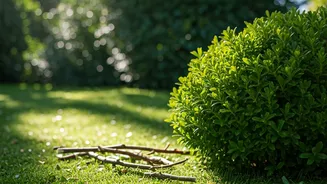
Now that you’re armed with sharp, clean tools and proper technique, what should you be cutting in June? The primary targets are spring-flowering shrubs that have just finished their show. Plants like forsythia, lilac, and weigela bloom on old wood, so pruning them now gives them the entire summer to produce the wood that will carry next year's flowers. Cut back the oldest, thickest stems to the ground to encourage new growth from the base. It’s also the perfect time for “deadheading”—snipping off spent flowers from annuals and perennials like petunias, salvia, and coneflowers. This not only tidies up the plant’s appearance but also tricks it into producing more blooms instead of putting energy into seed production. Finally, inspect all your plants for the three D’s: dead, damaged, or diseased wood. This can and should be removed at any time of year to maintain plant health and vigor.