


From Spiritual Practice to Heavy Lifting
For decades, the global image of Indian wellness has been inextricably linked to yoga—a practice rooted in spiritual and physical discipline. Domestically, the national obsession has been cricket. But for a growing number of Indians under 35, the path
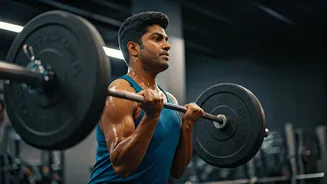
to fitness no longer leads exclusively to the yoga mat or the cricket pitch. It leads to the squat rack. This isn't just a niche trend. The Indian fitness industry is booming, with gym chains expanding aggressively and a new ecosystem of nutritional supplements, apparel, and digital coaching finding a massive, eager market. This shift represents more than a simple change in exercise preference; it’s a cultural realignment, moving from a collective, traditional understanding of health to a more individualistic, globally influenced pursuit of strength.
The Bollywood Body and Social Media
You can't talk about trends in India without talking about Bollywood. While muscular heroes have been around for a while, the sheer visibility of hyper-defined, athletic physiques has reached a saturation point. Stars like Hrithik Roshan and Tiger Shroff, along with actresses like Deepika Padukone and Katrina Kaif, don't just look fit on screen—they perform their fitness on Instagram. Their workout videos and disciplined diet posts serve as powerful, aspirational content for millions of followers. This has created a direct pipeline from celebrity culture to consumer behavior. At the same time, a new class of homegrown fitness influencers has emerged. These digital trainers, often communicating in regional languages, break down complex workout science for the masses, making strength training accessible to people who have never set foot in a gym. They’ve democratized fitness knowledge that was once gatekept by expensive personal trainers.
A New Definition of 'Strong'
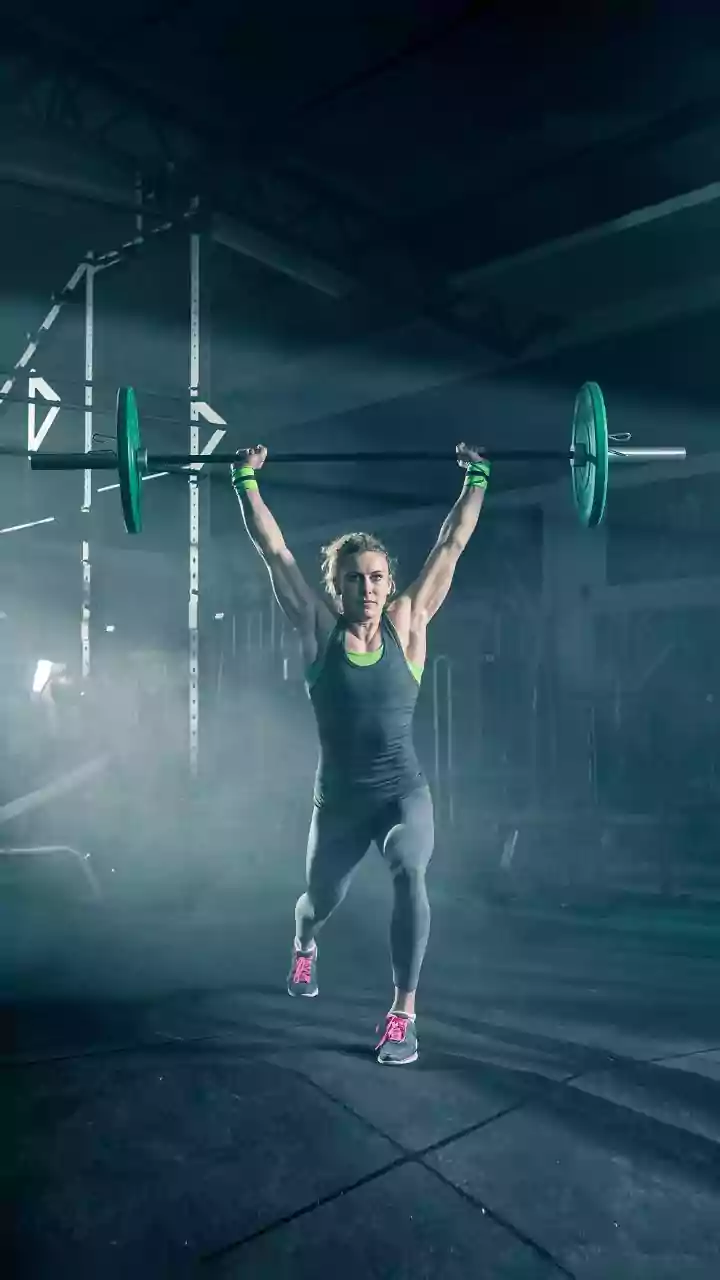
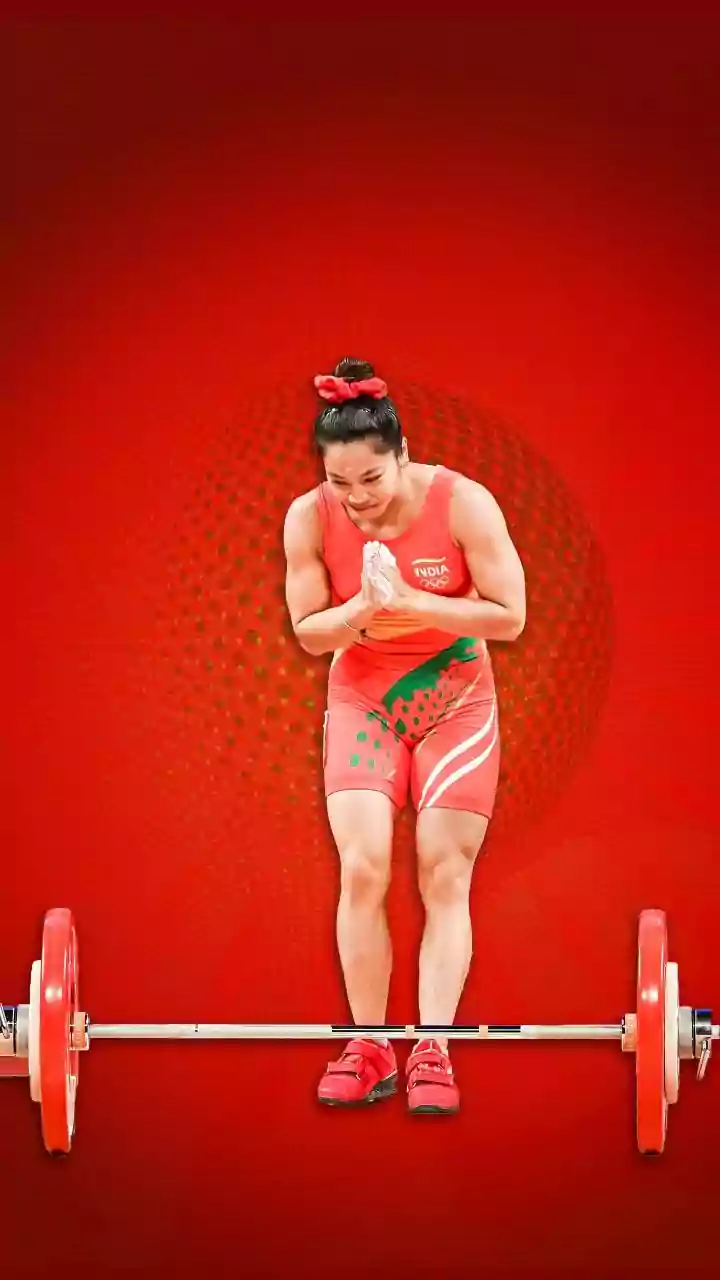
Perhaps the most significant driver of this trend is a changing definition of what it means to be healthy and strong, especially for women. Traditionally, Indian beauty standards for women favored a softer, slimmer silhouette. The idea of a woman actively building muscle was often seen as unfeminine or taboo. But that is rapidly changing. Spurred by global fitness trends and local role models, young Indian women are embracing strength training not just to lose weight, but to build power, confidence, and physical capability. The conversation has shifted from “getting skinny” to “getting strong.” This is a profound departure from a weight-loss-obsessed culture, reflecting a broader generational desire for empowerment and control over their own bodies.
More Than a Passing Fad?
It’s easy to dismiss this as another urban, upper-middle-class fad. And while the trend is certainly strongest in major cities, its tendrils are reaching into Tier-2 and Tier-3 towns, thanks to affordable gym chains and the pervasive reach of the internet. The pandemic also acted as an accelerant, as lockdowns increased health consciousness and pushed many to explore home workouts, often with a focus on bodyweight and strength exercises. Unlike fleeting trends, the strength training wave is tied to deeper currents: a massive youth population (over 65% of India is under 35), rising disposable incomes, and a desire to participate in a globalized culture of self-improvement. The focus on strength is less a fad and more a reflection of a young nation flexing its muscles, both literally and metaphorically, on the world stage.