



The Allure of 'God's Own Country'
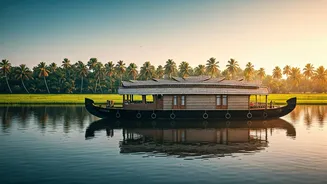
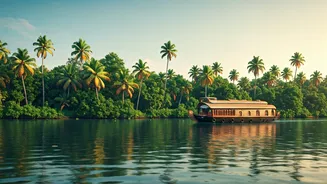
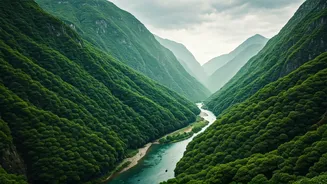
Before you can understand Kumarakom, you have to understand the Kerala backwaters. Forget what you know about canals in Venice or Amsterdam. This is a sprawling, 560-mile network of brackish lagoons, serene lakes, and palm-fringed rivers that crisscross
the southwestern coast of India. For centuries, this was the region’s highway, used for transport, trade, and fishing. Today, it’s a living ecosystem and one of the world’s most unique travel destinations. Life here moves at the pace of a punted canoe. The soundtrack isn’t honking traffic but the gentle lapping of water against a rice barge and the calls of kingfishers. Kumarakom itself is a village, or rather a cluster of small islands, situated on the edge of Vembanad Lake, the largest lake in this water-world. It’s a bird sanctuary, a fishing hub, and, increasingly, a sanctuary for travelers weary of the noise of modern life.
The Boutique Homestay Difference
The word “homestay” can conjure images of a spare room in a family’s house. In Kumarakom, the “boutique homestay” has evolved into something far more special. These aren’t sprawling, anonymous resorts. Instead, they are often beautifully restored ancestral homes, sometimes with only a handful of rooms, run by local families with a deep pride in their heritage. The experience is personal. Your host might also be your guide, taking you on a private canoe tour through narrow canals a larger boat could never access. The chef is often a family member cooking generations-old recipes with ingredients sourced from the backyard garden or the fish market that morning. It’s the antithesis of a cookie-cutter hotel stay. It's about connection—to the place, the people, and the food—in a way that provides a deeper, more meaningful sense of travel.
Why It’s Going 'Viral'
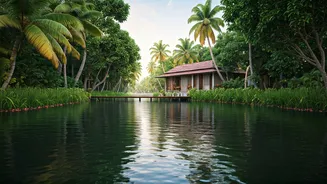
So how does a place defined by its tranquility become “viral”? The answer lies in its undeniable, almost surreal beauty. In an age of curated digital aesthetics, Kumarakom is effortlessly photogenic. Picture this: a narrow wooden canoe gliding through a tunnel of emerald green palm trees, the water a perfect mirror reflecting the sky. Or a plate of vibrant, home-cooked Keralan food—richly spiced fish curry, fluffy appam (rice pancakes), fresh tropical fruit—served on a banana leaf. It’s a visual feast that feels both exotic and deeply authentic. Travelers are capturing these moments, not of wild parties, but of profound peace, and sharing them. The 'viral' appeal isn't about crowds; it's about the desirability of an experience that feels increasingly rare: genuine quiet, natural beauty, and a slow, mindful way of living.
A Day in the Slow Lane
A day in Kumarakom unfolds with a gentle rhythm. You might wake to the melodic chirping of birds from the nearby sanctuary and enjoy a cup of local tea on a veranda overlooking the water. After a breakfast of fresh dosa or puttu, you could board a canoe. Your guide, a local who knows every twist and turn of the canals, paddles you past villagers going about their day—washing clothes at the water’s edge, casting nets for the day's catch, and waving with a ready smile. The afternoon might be for napping in a hammock, reading a book, or trying your hand at fishing. As evening approaches, the sky erupts in shades of orange and pink, a spectacular sunset viewed from the water. Dinner is a communal, relaxed affair, a chance to savor the day’s journey and the incredible flavors of the region before falling asleep to the gentle sounds of the backwaters.