



The Great Transformation
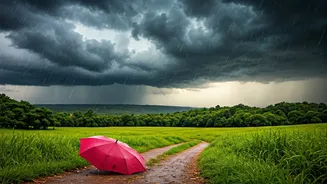
Every year, typically in early June, a profound change sweeps across western India. After months of scorching, dusty heat that can push temperatures well over 100°F, the southwest monsoon arrives. This is not a gentle spring shower. It is a season-defining
event, a months-long period of torrential downpours that replenishes reservoirs, irrigates farmlands, and blankets the entire region in a staggering, almost fluorescent, green. For the 125 million residents of Maharashtra—a state roughly the size of Italy and home to the financial megacity of Mumbai—the monsoon is both a lifeline and an annual disruptor. It signals the end of one way of life and the beginning of another, dictating everything from agricultural cycles to urban commutes.
The Weekend Escape Culture
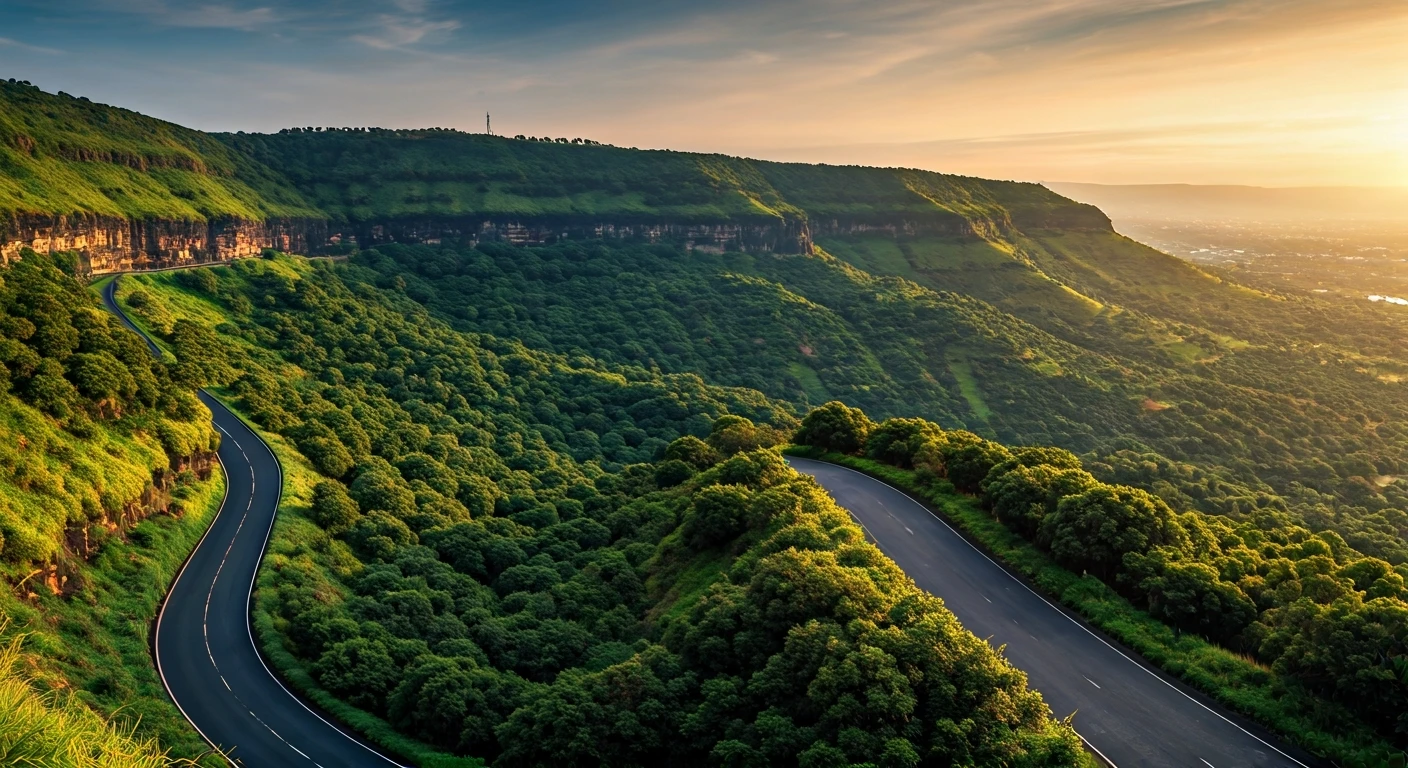
Before the rains hit, the weekend getaway is a cherished ritual for city dwellers in Mumbai and Pune. They seek refuge from the urban grind in the nearby Western Ghats, a chain of mountains running parallel to the coast. These hills are dotted with colonial-era 'hill stations' like Lonavala, Khandala, and Mahabaleshwar—cool, elevated towns that offer a respite from the coastal humidity. During the dry season, these destinations are hubs for trekking, picnicking by serene lakes, and enjoying panoramic views of the brown, sun-baked landscape. Families and groups of friends pack into cars and trains, eager for a 48-hour dose of nature before returning to the city's chaos.
When Nature Issues the Rain-Check
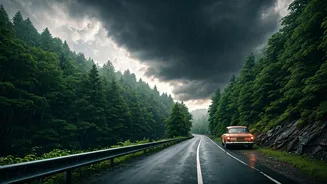
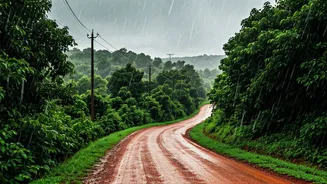
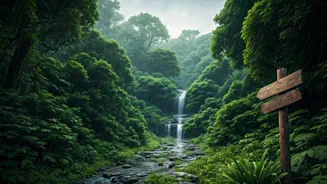
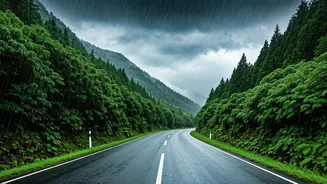
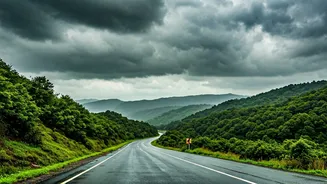
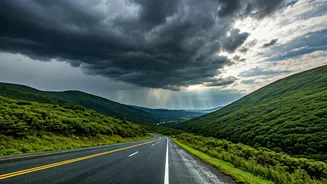
The phrase “rain-check season” perfectly captures the moment the monsoon asserts its authority. The very routes that lead to these idyllic escapes become treacherous. The same winding mountain roads that offer stunning views can become conduits for flash floods and mudslides. Visibility can drop to near zero in blinding sheets of rain. In the Ghats, newly formed, powerful waterfalls can cascade directly onto highways, and the risk of landslides closing off entire sections of road is a constant threat. Local authorities often issue advisories, urging caution or restricting travel to popular but dangerous spots. For weekend travelers, a plan to visit a favorite viewpoint or go on a trek is no longer a given; it's a gamble against a powerful and unpredictable opponent. The potential for being stranded for hours, or even days, is very real.
The Allure of the Downpour
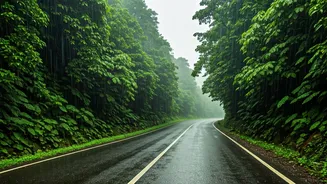
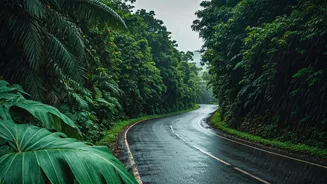
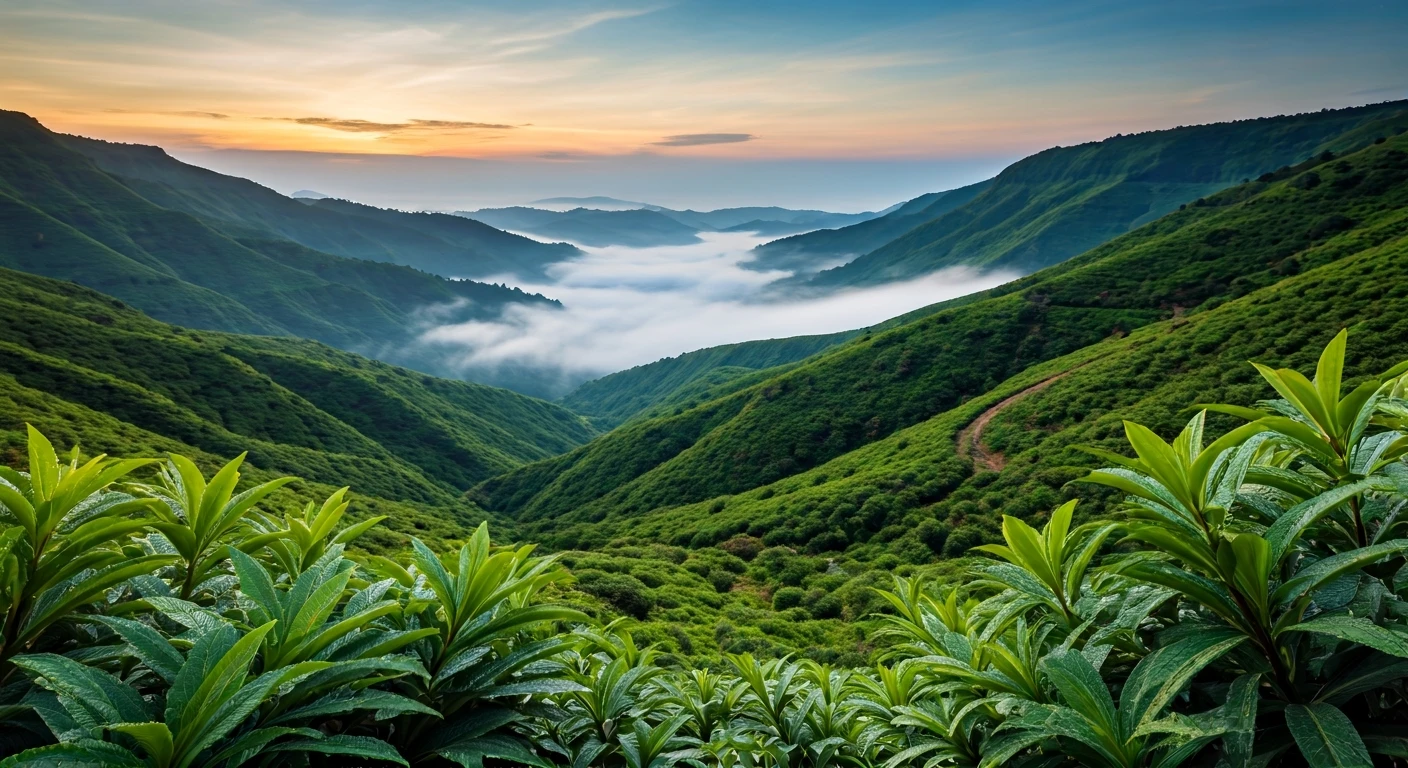
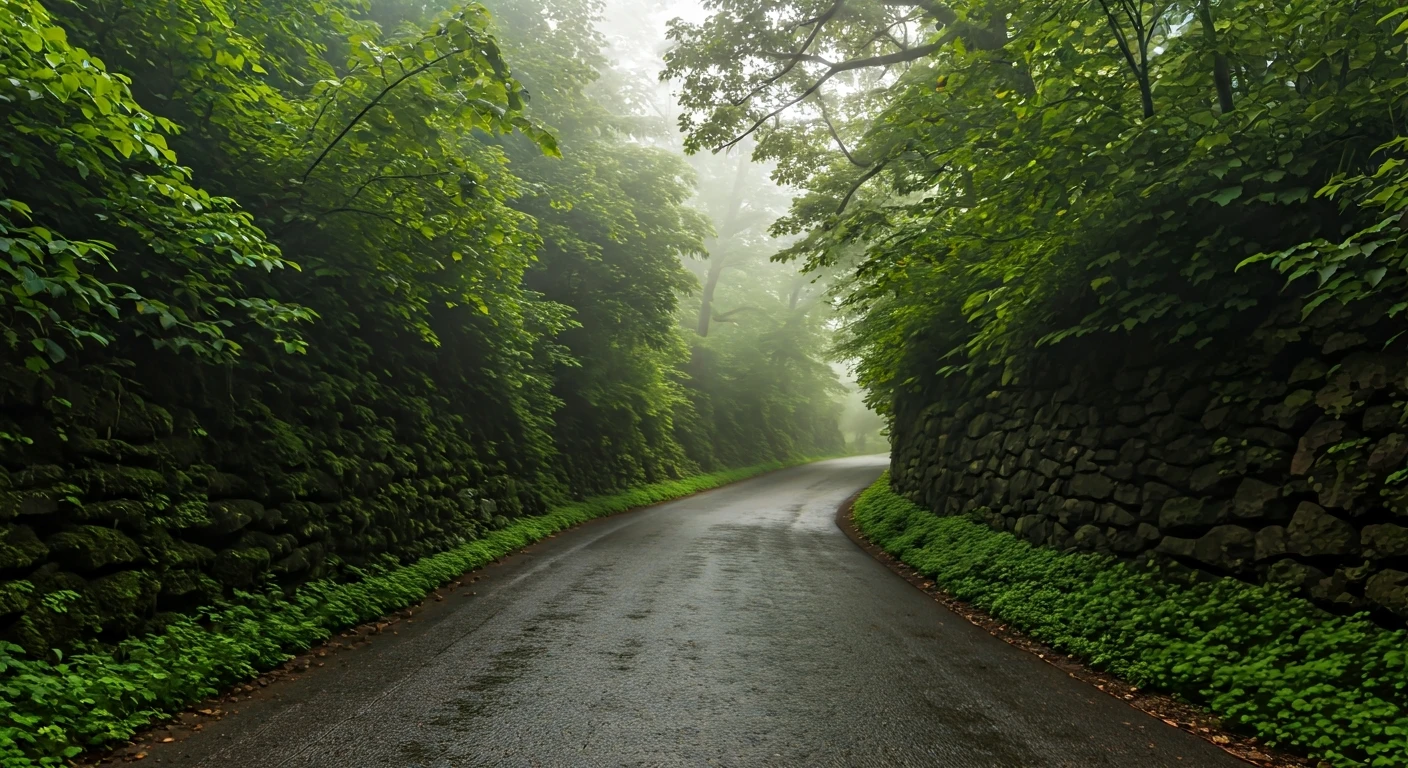
And yet, for every traveler who cancels their plans, there’s another who embraces the chaos. A unique form of “monsoon tourism” thrives in Maharashtra. The risks are real, but for many, the rewards are greater. The landscape undergoes a radical, breathtaking transformation. The dry, muted hills explode into a vibrant, emerald-green world. Thousands of temporary waterfalls, some small trickles and others roaring torrents, appear on mountainsides that were barren just weeks before. The air is thick with the smell of wet earth. For the adventurous, there’s a certain magic to sipping hot chai at a roadside stall while watching the downpour, or undertaking a “monsoon trek” to a fort shrouded in mist. It’s about experiencing the raw power and beauty of nature in its most dramatic form, a sensory overload that makes the pre-monsoon world seem like a distant memory.