


From Rooftop Pools to Living Pantries
For decades, the markers of a luxury apartment building were predictable: a doorman, a state-of-the-art gym, maybe a rooftop terrace with sweeping city views. But in the glossy architectural renderings for today’s most exclusive new developments, a different
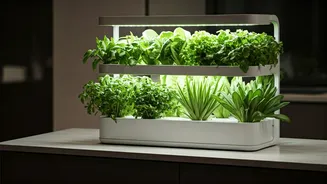
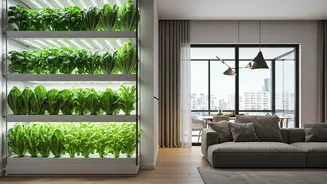
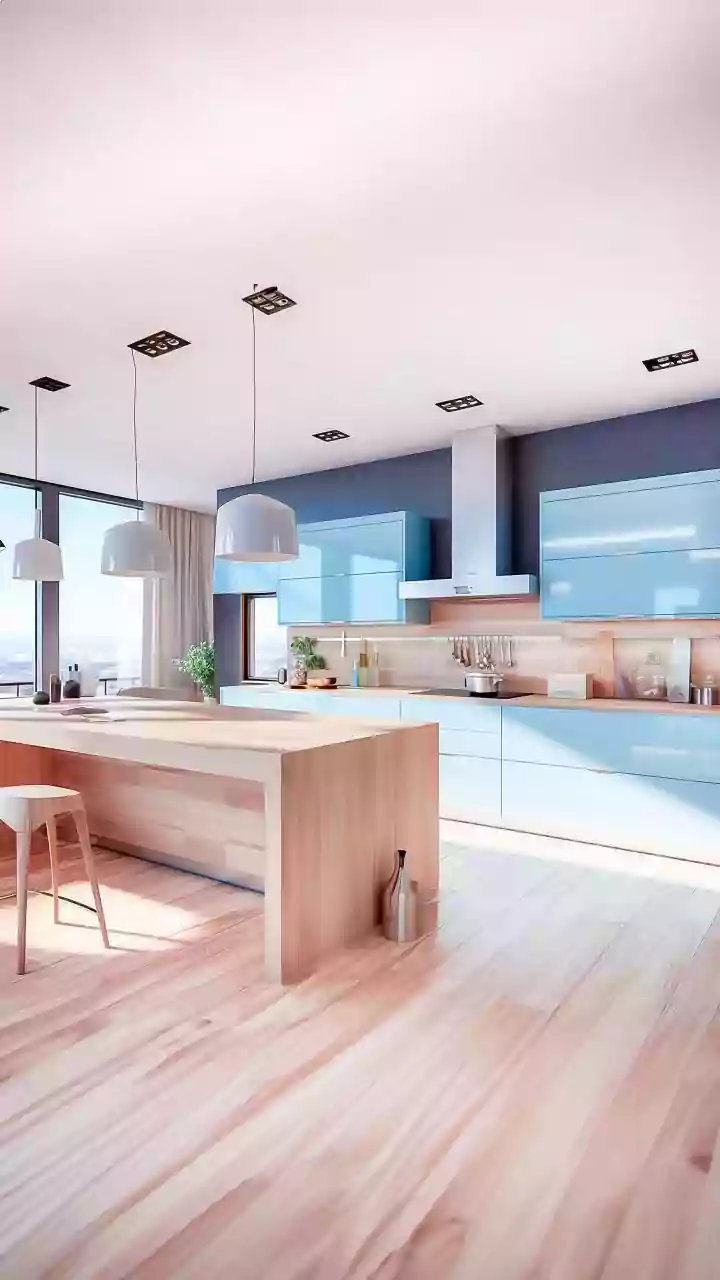
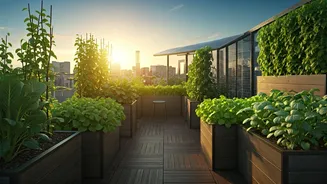
kind of amenity is capturing the imagination of affluent buyers: the in-house vertical farm. These aren't just a few potted herbs on a windowsill. We're talking about fully integrated, beautifully designed hydroponic or aeroponic systems that function as both a food source and a stunning piece of living art. Sometimes configured as communal 'farm-to-table' lounges and increasingly as sleek, built-in units within individual residences, these glowing green walls are becoming the ultimate symbol of modern, conscious luxury. They represent a fundamental shift in what high-net-worth individuals value in a home—moving beyond passive consumption to active, tech-enabled wellness.
The Allure of Biophilic Design
The rise of the residential vertical farm is deeply connected to a powerful architectural philosophy: biophilic design. The core idea is that humans have an innate need to connect with nature, and that incorporating natural elements—like plants, water, and natural light—into our built environments can improve our physical and mental well-being. A wall of vibrant, growing lettuce and basil does more than just look good; it brings life, color, and a sense of calm into a sterile urban space. Developers are leaning into this, marketing these features not just as a novelty but as a cornerstone of a wellness-focused lifestyle. In a world of concrete and glass, a living pantry offers a daily, tangible connection to the natural world. It’s a visual reminder of growth and vitality, which has become more valuable than ever in dense city landscapes.
More Than Just a Salad Bar
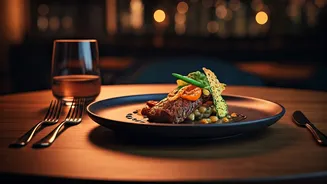
While the wellness angle is a major draw, the appeal of a personal vertical farm is multifaceted. First, there's the promise of ultimate convenience and quality. Imagine snipping fresh mint for a mojito or harvesting crisp butter lettuce for a dinner salad, all without leaving your apartment. This hyper-local food source guarantees produce that is free from pesticides, has a zero-carbon-mile journey, and is harvested at its peak freshness. Second, it’s a status symbol for the tech-savvy and eco-conscious. These systems are often automated, controlled via smartphone apps that manage lighting, water, and nutrient cycles. Owning one signals an appreciation for cutting-edge technology and a commitment to sustainability—two values that are increasingly important to modern luxury consumers. It says you care not just about what you eat, but how it's grown. This combination of practicality, tech-forward design, and sustainable ethos makes it a powerful and compelling amenity.
A Glimpse of the Future City
So, is this a fleeting fad for the one percent, or a preview of the future of urban living? While custom, wall-sized installations remain the domain of multi-million dollar condos in cities like Miami and New York, the underlying technology is becoming more accessible. Companies like Gardyn and Rise Gardens offer sophisticated, furniture-like hydroponic systems for a few hundred dollars, bringing the concept into mainstream homes. As urban populations grow and concerns about food supply chains intensify, the idea of decentralized, in-home food production becomes more logical. The luxury market often serves as an incubator for trends that eventually trickle down. The integrated vertical farm, currently presented as the height of opulence, may one day be a standard feature in urban apartments, as essential as a dishwasher or a microwave. It points to a future where our homes are not just shelters, but self-sustaining ecosystems.