
First, What Exactly Is Paan?
Before we get to the tiramisu, let's talk tradition. In its most classic form, paan is a post-meal ritual across India and Southeast Asia. It’s a small, triangular parcel made from a fresh betel leaf, which acts as a wrapper for a fascinating jumble of
ingredients. Inside, you’ll typically find gulkand (a sweet, jammy preserve of rose petals), fennel seeds, cardamom, and other crunchy, sweet bits known as mukhwas. It’s a palate cleanser, a breath freshener, and a digestive aid all in one. Traditionally, it often includes chopped areca nut and a smear of slaked lime, which provide a mild stimulating effect. But when chefs talk about “paan energy” in desserts, they’re almost always ditching the psychoactive elements. They’re focused on capturing the core flavor profile: the peppery, chlorophyll-rich betel leaf, the floral sweetness of rose, and the cool hit of anise from the fennel. It’s a flavor that is at once herbaceous, sweet, floral, and deeply refreshing.
From Street Corner to Cheesecake
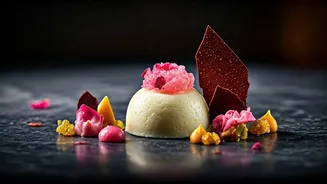
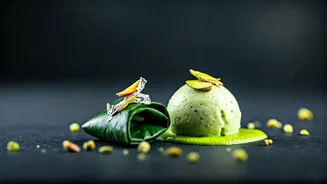
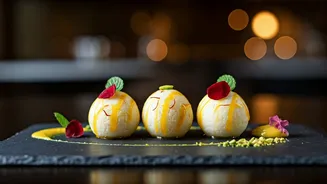
For decades, if you wanted paan in America, you’d find it at a specialty shop, often tucked away in a South Asian neighborhood. Now, that same flavor profile is showing up on the most unexpected canvases. At modern Indian restaurants from New York to San Francisco, chefs are deconstructing the paan experience and rebuilding it in familiar dessert forms. Think of a vivid green paan ice cream, where the cooling sensation of the betel leaf is amplified by the cold, creating a finish that’s cleaner than any mint chip you’ve ever had. Imagine a paan panna cotta, its creamy sweetness cut by that signature floral-herbal buzz. We’re seeing paan macarons, paan-flavored white chocolate bark, and even paan cocktails, where gin or vodka is infused with the essence of betel leaf and rose. It’s a clever and delicious bridge, taking a flavor that might seem intimidatingly foreign and presenting it in a form that’s universally loved.
A Jolt of Cultural Confidence
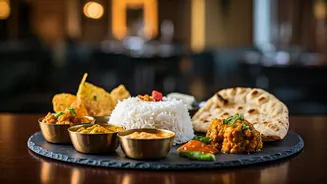
So why is this happening now? The rise of paan desserts is part of a larger, more exciting story about diaspora cuisine. For years, many immigrant restaurants felt pressure to cater to an American palate, either by toning down spices or sticking to a predictable roster of greatest hits like butter chicken and naan. That era is over. A new generation of chefs, many of whom are second-generation Indian Americans, are cooking with newfound confidence. They aren’t just recreating the dishes of their parents; they’re using the flavors of their heritage as a creative palette. Choosing to feature a flavor as bold and specific as paan is a statement. It’s an unapologetic embrace of complexity, a refusal to be flattened into something simple and easily digestible for the uninitiated. It’s a sign that Indian-American cuisine is no longer just about looking back to the motherland; it’s about forging a new identity, one that’s inventive, playful, and deeply rooted in its bicultural experience.
Capturing the Sensation, Not Just the Flavor
The headline’s phrase, “paan energy,” is surprisingly perfect. Because what chefs are bottling isn’t just a taste—it’s a sensation. A proper paan, chewed after a heavy meal, delivers a jolt. It’s a reset button for your palate. The coolness, the slight astringency of the leaf, and the burst of floral and anise notes wake up your mouth. That’s the “energy.” It’s the opposite of a heavy, cloying dessert that puts you to sleep. A scoop of paan ice cream doesn’t just taste good; it feels purposeful. It cleanses, it refreshes, it provides a crisp, thrilling end to the meal. It cuts through the richness of the curries and biryanis that came before it, performing the exact same function as the original leaf-wrapped parcel, just in a more decadent package.