




The Accidental Mosquito Nursery
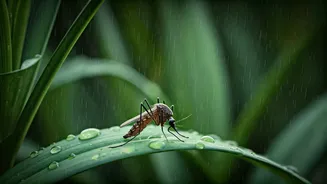
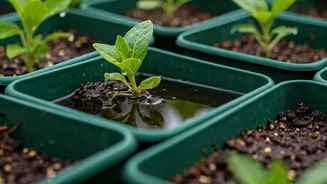
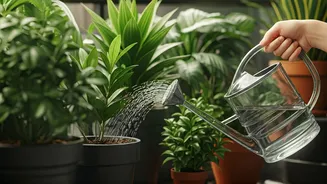
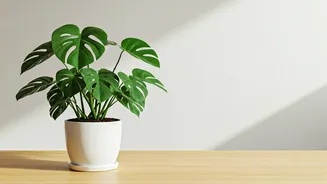
You water your porch petunias or your indoor fiddle-leaf fig, and a little excess runs into the saucer below. It’s a sign of a well-drained plant, but it’s also an open invitation for mosquitoes. Female mosquitoes aren’t looking for pristine lakes or ponds;
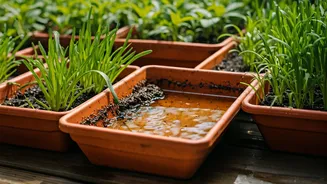
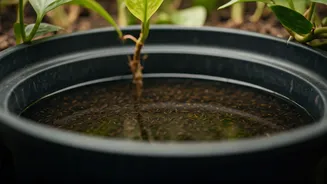
they are opportunistic breeders searching for any small, stagnant body of water to lay their eggs. The inch of water that sits forgotten in a pot tray is a five-star resort for them. According to entomologists and public health agencies like the CDC, it takes as little as a bottle cap’s worth of water for mosquitoes to breed successfully. In warm weather, the entire life cycle—from egg to larva, pupa, and finally to buzzing, biting adult—can be completed in just seven to ten days. That means the water you spilled last weekend can be the source of this weekend's mosquito swarm. Because these saucers are often out of direct sunlight and shielded by foliage, the water evaporates slowly, giving larvae more than enough time to mature.
More Than Just an Itchy Bite
While any mosquito bite is an annoyance, the ones breeding in your pot trays can be particularly problematic. These small, man-made containers are the preferred habitat for species like the Aedes aegypti (the yellow fever mosquito) and Aedes albopictus (the Asian tiger mosquito). These are not your average swamp-dwelling pests; they are aggressive daytime biters that have adapted to live in close proximity to humans. More importantly, these are the primary vectors for transmitting viruses like Zika, dengue, chikungunya, and West Nile. While the risk of contracting these diseases varies significantly by region and year, their presence turns the simple act of mosquito control into a critical public health measure. Eliminating their breeding grounds is the single most effective way to reduce not only the nuisance but also the potential for disease transmission right in your own backyard or living room.
Your Weekly 'Tip and Toss' Routine
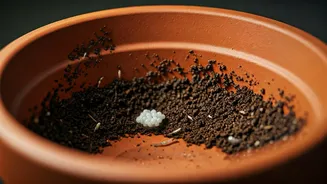
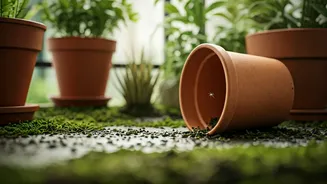
The good news is that disrupting this cycle is incredibly simple. It just requires consistency. The key is to make checking for standing water a weekly habit, just like taking out the trash. Here’s a simple checklist to follow for your potted plants: 1. **Tip and Dry:** At least once a week, tip out any water collected in plant saucers, both indoors and out. If possible, wipe the saucer dry to eliminate any lingering moisture. 2. **Scrub and Clean:** If you notice tiny, dark specks clinging to the side of the saucer (which could be mosquito eggs), give it a quick scrub with a brush and soapy water before refilling it. 3. **Fill the Saucer:** For outdoor pots, consider filling the saucer with sand or fine gravel. This allows excess water to drain and collect without creating a pool on the surface where mosquitoes can lay eggs. The water remains accessible to the plant's roots through capillary action, but inaccessible to pests. 4. **Switch Planters:** If you're constantly dealing with overflow, look into self-watering planters. They are designed with a covered reservoir that prevents mosquitoes from getting in while still providing a consistent water supply to your plants.
Look Beyond the Plant Pot
Once you've tackled your plant trays, apply the same logic to the rest of your property. Mosquitoes are masters of finding overlooked water sources. Take a weekly walk around your yard and look for these common culprits: - **Clogged Gutters:** Debris can trap water, creating a hidden highway for mosquito breeding. - **Birdbaths and Fountains:** Change the water at least weekly. Agitation from a fountain pump can also help. - **Children’s Toys:** Wagons, buckets, and playsets left outside can collect rainwater. - **Tarps and Pool Covers:** Make sure they are pulled tight so water runs off instead of pooling in dips and folds. - **Discarded Items:** Old tires, bottles, and forgotten containers are notorious mosquito hotspots. By staying vigilant, you can transform your property from a mosquito factory into a safe haven for your family and pets.