








The Great Student Migration
If you tried to book a last-minute European getaway this summer, you likely encountered two realities: sky-high flight prices and sold-out accommodations. A huge driver of the latter is a historic wave of young, primarily American, travelers descending
on the continent. Major hostel booking platforms and chains have reported booking numbers that don't just rival pre-pandemic levels—they shatter them. Hostelworld, a leading booking site, saw its net bookings skyrocket, with particular demand for iconic backpacking destinations in Italy, Spain, and France. This isn't a gentle recovery; it's a full-blown travel renaissance led by a generation that spent its formative college years grounded by lockdowns and travel restrictions. For many, this isn't just a vacation; it's a rite of passage that was delayed but not denied.
It's Not Your Parents’ Hostel
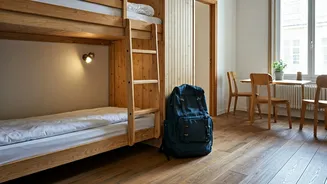
The word “hostel” might conjure images of lumpy bunk beds in cramped, dingy dorms. While that model still exists, the properties driving this boom are part of a new breed. Today’s most popular hostels are design-led, tech-savvy, and experience-focused. Chains like Generator, Selina, and The Social Hub (formerly The Student Hotel) are blurring the lines between hotel, co-working space, and community center. Think rooftop bars with panoramic city views, high-speed Wi-Fi for digital nomads, private ensuite rooms for those wanting more privacy, and a packed schedule of events from yoga classes to cooking workshops. They’ve professionalized the experience, offering the affordability and social interaction of a classic hostel with the amenities and cleanliness of a modern hotel. This 'poshtel' revolution has made them a destination in their own right, not just a cheap place to crash.
A Perfect Storm of Demand
So, why is this happening now? It’s a perfect storm of economic and cultural factors. First, there’s pent-up demand, or “revenge travel,” on a massive scale. Students who missed out on study abroad programs and spring break trips are now graduating and using their savings for a grand European tour. Second, inflation is biting everyone. With flight prices remaining stubbornly high, travelers are looking to save money on the ground. Hostels offer an unbeatable value proposition. For the price of one night in a mediocre hotel, a student can often afford three or four nights in a centrally located hostel. This economic reality is pushing even those with slightly larger budgets toward the hostel market, where they are discovering the experience is far better than they imagined.
The Social Scene Is the Point
Perhaps the most significant driver for Gen Z travelers is the promise of community. After years of social distancing and online classes, this generation craves authentic, in-person connection. A hotel can be a sterile and lonely experience for a solo traveler. A hostel, by its very design, is a social incubator. The common room, the shared kitchen, and the group walking tours are engineered to foster interaction. It’s a place where you can find a group to grab dinner with within an hour of checking in. For young Americans traveling abroad, many for the first time, this built-in social safety net is invaluable. It transforms a potentially intimidating solo trip into a shared adventure, creating memories and friendships that last long after the tan lines fade.
What This Means For Your Trip
The takeaway for anyone planning a trip—student or not—is simple: the game has changed. Spontaneity is a luxury of the past, at least for now. If you’re planning a European trip, especially to popular cities like Lisbon, Rome, or Amsterdam, booking your accommodation months in advance is the new standard. This surge in demand also means prices are climbing. While hostels are still far cheaper than hotels, the days of a $20-a-night bed in a prime location are fading. To get the best value, consider traveling during the shoulder seasons (spring and fall) when the crowds thin out and prices dip. The era of the budget-friendly, high-quality European hostel is in full swing, but it requires more planning than ever to be a part of it.