







The Scale of the Waste Crisis
To understand why home composting became a quiet revolution, you first need to understand the size of India's waste problem. With a population of over 1.4 billion and rapid urbanization, the country's megacities generate staggering amounts of trash daily.
Municipal systems, often underfunded and overstretched, struggle to keep up. Landfills, like the infamous Ghazipur mountain of garbage in Delhi, are overflowing to dangerous heights, posing environmental and public health risks. A significant portion of this urban waste—often over 50%—is organic matter: kitchen scraps, vegetable peels, and leftover food. This wet waste, when mixed with dry recyclables, contaminates the entire stream, making sorting and recycling nearly impossible. It also decomposes anaerobically in landfills, releasing potent greenhouse gases like methane.
A Citizen-Led Solution Sprouts
Faced with this mounting crisis, a grassroots movement began to take hold, not from government mandates, but from the ground up. In cities like Bengaluru, often called India's Silicon Valley, residents grew frustrated with inconsistent trash collection and the environmental toll. They realized that if they could manage their organic waste at the source, they could solve a huge piece of the puzzle. This led to the popularization of simple, accessible home composting methods. Rather than requiring large yards, these solutions were designed for the reality of urban Indian life: apartments and limited space. The movement was powered by neighborhood WhatsApp groups, citizen-led workshops, and a shared sense of civic responsibility.
From Kitchen Scraps to Black Gold
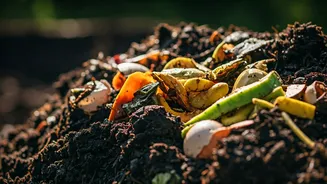
The genius of the Indian composting movement lies in its practicality. Forget expensive, high-tech bins. The most popular methods use simple, locally-made materials. One common system involves a stack of terracotta pots (khambas), where different layers are used for adding new scraps, letting them decompose, and harvesting finished compost. Another uses basic plastic buckets with holes drilled for aeration. Residents simply layer their daily fruit and vegetable peels, coffee grounds, and eggshells with a 'brown' material like dried leaves, sawdust, or coconut coir fiber to balance the carbon and nitrogen. Within a few weeks, this mixture transforms into 'black gold'—a dark, nutrient-rich compost perfect for fertilizing plants.
More Than Just Reducing Trash
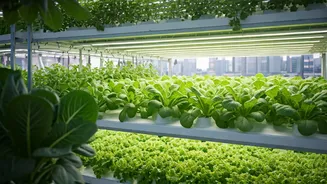
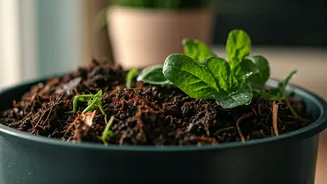
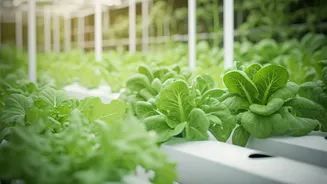
The impact of this movement extends far beyond just diverting waste from landfills. For many, it has fostered a new connection to the food cycle. The compost they create is used to nourish balcony gardens, community vegetable patches, and terrace farms, bringing a splash of green to concrete jungles and providing a source of fresh, organic produce. This act of closing the loop—turning food waste back into food—is a powerful shift in mindset. It has also strengthened communities, as neighbors share tips, troubleshoot problems, and even manage larger-scale composting projects for their entire apartment building. Some municipalities have taken notice, inspired by the success of these citizen initiatives to implement better waste segregation policies, creating a powerful synergy between bottom-up action and top-down support.