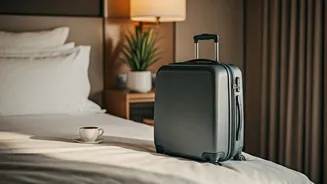









The Myth of the Marathon Vacation
For generations, the two-week vacation has been the gold standard of American work-life balance—a distant oasis we crawl toward all year. But this 'save up all your relaxation' model is becoming outdated. The pressure to plan a perfect, epic journey can be immense,
often leading to more stress. By the time you actually unwind, it’s nearly time to head home, where a mountain of emails and responsibilities awaits, quickly erasing any sense of peace. Psychologically, the benefits of a single long trip can be front-loaded and fleeting. The anticipation is powerful, but the 'afterglow' effect fades faster than we’d like. In contrast, spreading out your time off into several smaller, more frequent breaks provides multiple moments of anticipation, escape, and recovery throughout the year. It’s a more sustainable approach to managing the chronic, low-grade stress of modern life, trading one big release valve for several smaller, more effective ones.
The Science of the Quick Reset
Why do short trips feel so impactful? It comes down to novelty and disruption. Our brains are wired to respond to new stimuli. When you break your routine, even for just 48 hours, you force your brain out of its habitual, often-anxious thought patterns. A new environment—different sights, sounds, and foods—stimulates the release of dopamine, the neurotransmitter associated with pleasure and reward. This isn't just about feeling good; it's about cognitive function. A short break can act as a circuit breaker for mental fatigue and creative blocks. Studies on leisure and recovery have shown that detaching from work, even for a weekend, can significantly lower perceived stress and reduce the physical symptoms of burnout. The key is the break in routine. You don’t need to cross an ocean to achieve this; you just need to change your scenery and your mindset.
How to Plan for Maximum Impact
The magic of a mini-break lies in its simplicity. To truly get that 'reset energy,' you need to minimize the friction of travel itself. Think of it as an exercise in strategic relaxation. First, limit your travel time. A destination within a two-to-three-hour drive, train ride, or flight is ideal. The goal is to spend more time *at* your destination than getting there. Second, resist the urge to overschedule. A jam-packed itinerary can feel like a different kind of work. Instead, pick one or two anchor activities—a nice dinner, a specific hike, a museum visit—and leave the rest of the time open for spontaneous discovery or simple relaxation. Finally, the most crucial step: truly disconnect. Set an out-of-office message, turn off push notifications for work email, and give yourself permission to be fully present. The reset happens when your mind is allowed to wander freely, unburdened by the next work crisis.
Ideas for Your Next 48-Hour Escape
The beauty of the mini-break is its versatility. You don't need a specific reason, just a free weekend. Here are a few archetypes to get you started: * **The Nature Immersion:** Book a small cabin or a room near a state park. Spend your time hiking, sitting by a lake, or simply breathing in the fresh air. The goal is silence and scenery. * **The Small-Town Explorer:** Pick a nearby town you’ve always been curious about. Wander its main street, browse the local shops, and try the best-reviewed diner. It’s a low-stakes adventure in your own backyard. * **The Culinary Quest:** Center your trip around food. Drive to a city known for a specific cuisine, or book a hotel in a neighborhood with a burgeoning restaurant scene. Let your taste buds lead the way. * **The 'Do Nothing' Deluxe:** Sometimes the best trip is the one where you do the least. Book a nice hotel room—even in your own city—with a great pool or a comfortable bed. Order room service, read a book, and enjoy the luxury of not having to make your own bed.