



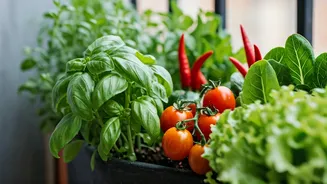


From Curb Appeal to Table Appeal
For decades, the goal of the American home landscape was singular: curb appeal. Real estate agents and neighborhood associations preached the gospel of pristine lawns, non-native shrubbery, and colorful but often useless annuals. It was a landscape designed
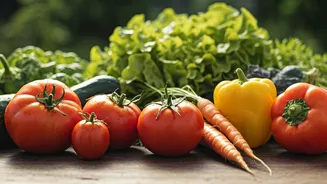
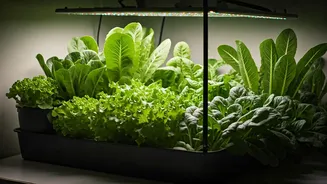
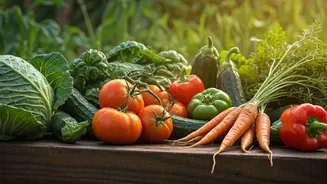
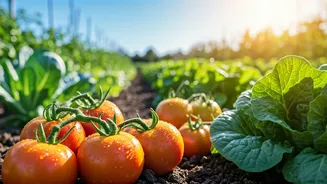
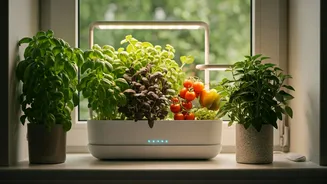
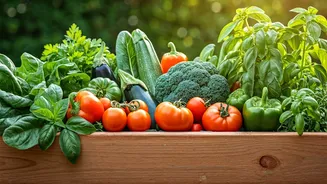
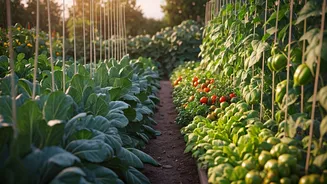
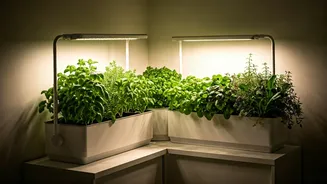
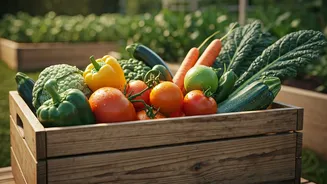
to be looked at, not lived in. Now, a different kind of value proposition is taking root. Homeowners are increasingly prioritizing 'table appeal'—the ability to walk outside and harvest part of their dinner. The neat rows of a vegetable patch, once relegated to the unseen corners of a property, are now a badge of honor. This trend sees everything from sprawling suburban backyards to tiny apartment balconies being converted into mini-farms, growing tomatoes, herbs, peppers, and greens.
The Inflation-Proofing Effect
The most powerful driver behind this green revolution is, unsurprisingly, green of a different kind: money. As grocery bills continue to climb, the economics of gardening have fundamentally changed. A single packet of tomato seeds, costing a few dollars, can yield dozens of pounds of fresh fruit, saving a family hundreds of dollars over a season. That $6 clamshell of basil at the supermarket feels particularly extravagant when you realize a single potted plant can provide fresh leaves all summer long. This isn't just about saving a few bucks; for many families, it's a tangible strategy to offset inflation and improve food security. The satisfaction of 'shopping' in your own backyard provides a powerful buffer against the sticker shock at the checkout line.
A Hunger for Control and Connection
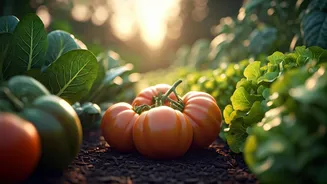
Beyond the financial calculus lies a deeper, more psychological motivation. The pandemic era exposed the fragility of global supply chains and left many feeling a profound lack of control. Gardening offers a powerful antidote. Tending a plot of land, no matter how small, is a grounding, proactive endeavor. You know exactly where your food comes from, what went into growing it (or what didn't), and you can sidestep anxieties about E. coli outbreaks in romaine lettuce or pesticide residues on strawberries. It’s an act of self-sufficiency that reconnects people to the seasons, the soil, and the simple, profound magic of turning a seed into a meal. In a world of digital abstraction, the tangible reality of a sun-warmed tomato is deeply satisfying.
It’s Not Just About Replacing the Roses
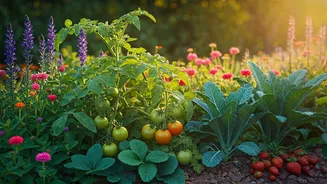
This shift isn't always a hostile takeover of ornamental beds. A sophisticated new movement, often called 'foodscaping' or 'edible landscaping,' seeks to blend beauty and bounty. Instead of a segregated vegetable patch, foodscapers integrate edible plants directly into their ornamental designs. A border of vibrant Swiss chard can be just as striking as coleus. Blueberry bushes provide spring flowers, summer fruit, and fiery fall foliage. Vining beans can climb a trellis just as elegantly as a clematis. This approach reframes the entire debate, arguing that a garden can be both productive and beautiful. It challenges the old assumption that practical gardens must be plain, proving that you can, in fact, have your landscape and eat it, too.