



The Bliss of the Retreat
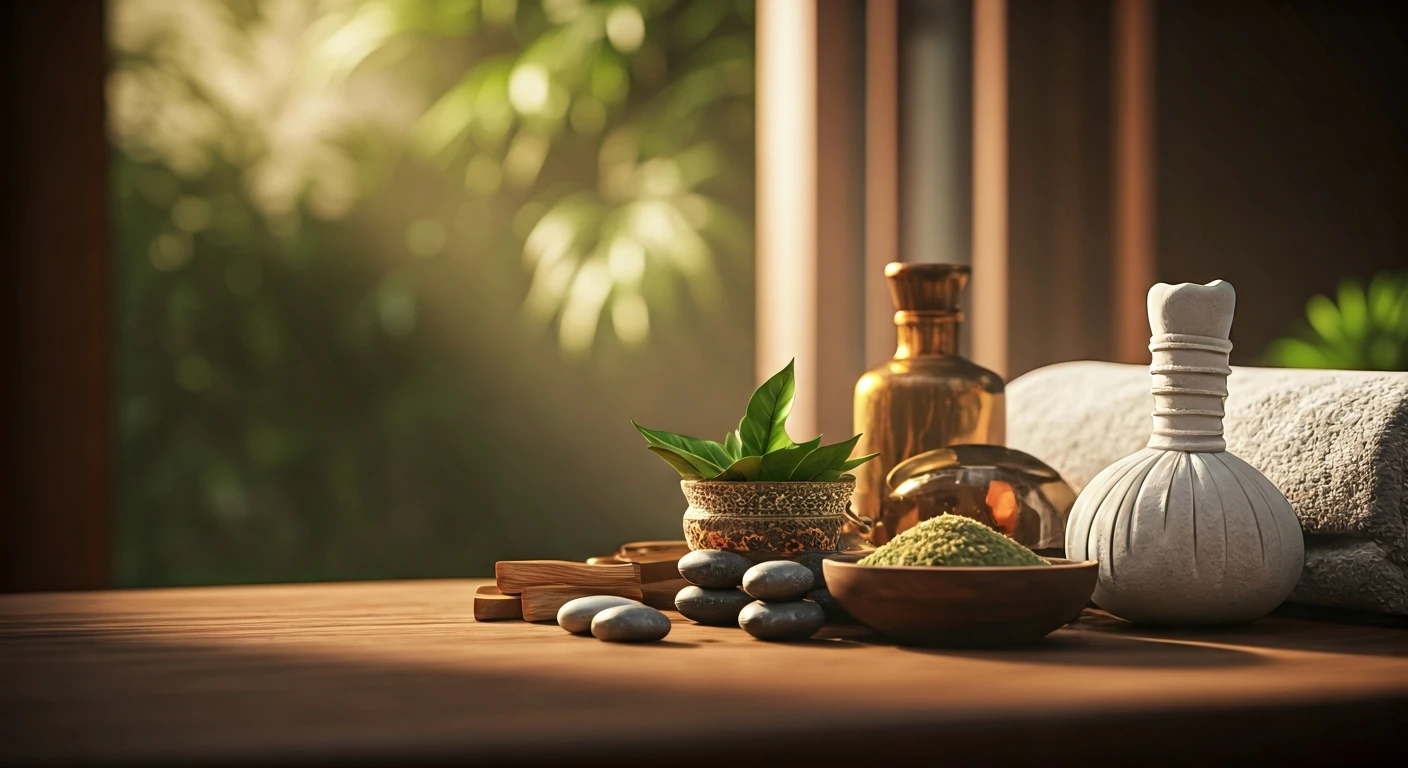
The experience is often transformative. On a sun-drenched veranda in Bali or a dedicated center in Kerala, India, Ayurveda presents itself as a complete, intuitive system for living. For a week or two, your life is simplified and sanctified. Meals are
prepared for you, designed specifically for your body’s constitution, or *dosha* (Vata, Pitta, or Kapha). Days are structured around yoga, meditation, and therapeutic treatments like *abhyanga* (warm oil massage) or *shirodhara* (a stream of oil poured on the forehead). You’re guided by practitioners who seem to hold centuries of wisdom. The promise isn't just health; it's a profound sense of balance and a feeling of being deeply understood. You leave feeling lighter, clearer, and convinced you’ve found the key to lasting wellness.
From 'Panchakarma' to Pantry Panic
The reality check begins at the airport. The first challenge is logistical. That custom-blended, three-times-a-day herbal tea is impossible to brew during a morning commute. The diet that felt so nourishing when prepared by a chef now requires hours of sourcing and cooking with unfamiliar ingredients like ghee, asafoetida, and mung beans. Suddenly, the Ayurvedic ideal of eating warm, freshly cooked meals for breakfast, lunch, and dinner feels less like self-care and more like a second job. The slow, mindful principles that made so much sense on vacation feel fundamentally at odds with a fast-paced American culture that prioritizes convenience and productivity above all else. The serene ritual of self-oiling before a shower gets harder to justify when you’ve hit snooze three times and have a 9 a.m. Zoom call.
The Practitioner Problem
Back at the retreat, your guide was likely a *vaidya*, a formally trained Ayurvedic doctor with years of rigorous study. In the United States, the landscape is murkier. Ayurveda is not a licensed medical profession in most states, meaning there’s no standardized system for certification or oversight. While many highly skilled and ethical practitioners exist, they can be hard to distinguish from someone who simply took a weekend workshop. This lack of regulation makes it difficult for consumers to vet credentials and find qualified guidance. An experienced practitioner is crucial for navigating Ayurveda’s complexities, especially when it comes to diagnosis and herbal prescriptions. Without one, many people are left to self-diagnose based on a 10-minute online quiz, a practice that barely scratches the surface of this ancient medical science.
The Cost and Purity Question
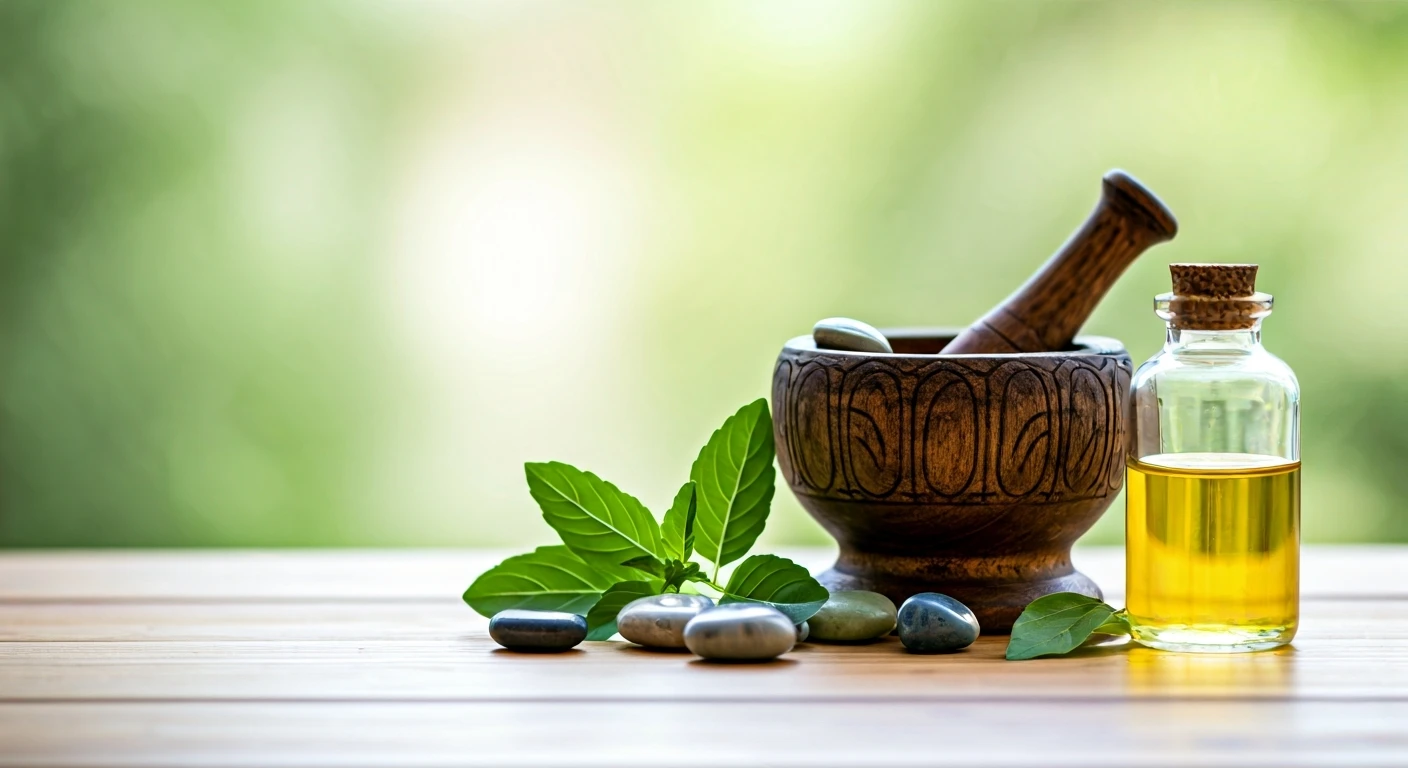
Then there’s the money. Authentic Ayurvedic treatments and high-quality herbs are not cheap, and they are almost never covered by American health insurance. A single consultation can run hundreds of dollars, and a course of prescribed herbs can be a significant monthly expense. Furthermore, the supplement industry is a Wild West of its own. Reports from health organizations, including the CDC, have flagged concerns about heavy metals like lead, mercury, and arsenic found in some Ayurvedic products, particularly those manufactured overseas without stringent quality control. While reputable U.S.-based companies are working to provide tested, pure products, they often come at a premium price. This forces consumers into a difficult position: pay a high cost for peace of mind or risk purchasing cheaper, potentially unsafe alternatives online.
Integrating Wisdom, Not Just Regimens
This post-vacation friction doesn't mean Ayurveda has no place in American life. The reality check is an invitation to be more realistic. The goal shouldn’t be to perfectly replicate a monastic, retreat-style life in suburban Ohio. Instead, success lies in integrating the core *principles* rather than the specific, often impractical, *prescriptions*. Maybe it’s not about making a complex kitchari every day, but simply focusing on eating more warm, cooked foods in winter. Perhaps you can’t manage a full daily oil massage, but you can take five minutes for a mindful cup of ginger tea. Understanding your dosha can inform simple lifestyle choices—like recognizing that a Vata-dominant person might need more routine and grounding, while a Pitta type may need to schedule deliberate cooldown time. The wisdom of Ayurveda is adaptable.