




A Paradise Apart
First, a quick geography lesson. The Andaman and Nicobar Islands are a remote archipelago in the Bay of Bengal, technically part of India but geographically closer to Myanmar and Thailand. This isolation is their superpower. For decades, they were largely
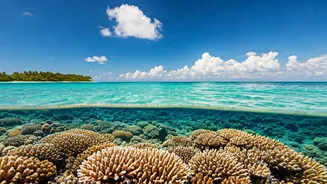
off-limits, preserving an ecosystem that feels like a step back in time. Unlike some of Southeast Asia’s more trodden paths, the Andamans aren’t defined by sprawling resorts or all-night beach parties. Instead, you’ll find a chain of lush, emerald islands fringed by white-sand beaches and surrounded by some of the clearest turquoise water on the planet. The main hub for tourism, Havelock Island (now Swaraj Dweep), strikes a perfect balance: developed enough to be comfortable, but wild enough to feel like a genuine escape.
The Diving Is World-Class
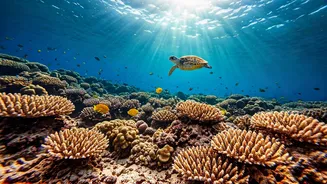
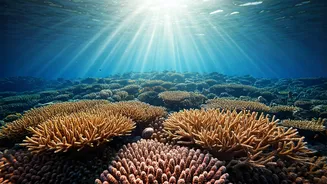
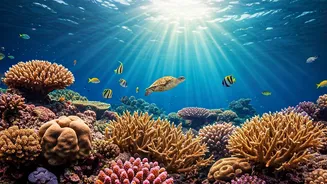
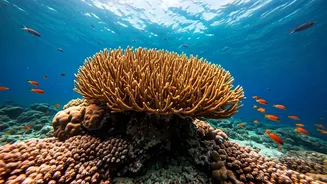
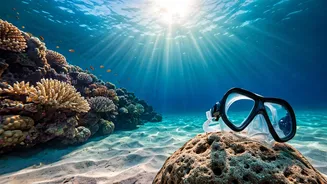
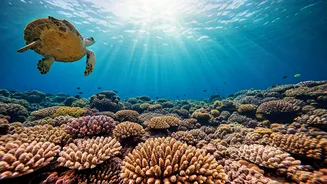
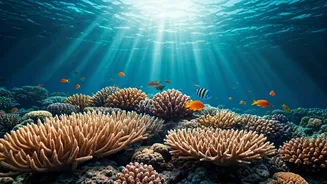
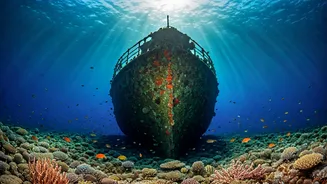
Let's get to the main event: the scuba diving. The Andamans are a dream for underwater explorers. Because the area has been historically protected and commercial fishing is limited, the marine biodiversity is staggering. Imagine descending into 100-foot visibility to see massive schools of fusiliers, curious Napoleon wrasse, and graceful sea turtles gliding by. The coral reefs are vibrant and healthy, a kaleidoscope of color that’s becoming tragically rare in other parts of the world. Dive sites like the aptly named “Aquarium” or the more challenging “Johnny’s Gorge” offer something for everyone. For beginners, the calm, shallow bays are a perfect training ground. For experienced divers, there are deep pinnacles and drift dives where you might spot manta rays or even the occasional, shy dugong. It’s the kind of diving that reminds you why you fell in love with the sport in the first place—pure, uncrowded, and utterly breathtaking.
The 'No Chaos' Factor
This is where the headline’s promise clicks into place. Adventure in a remote location can often mean dealing with sketchy equipment, unreliable schedules, and a general lack of professionalism. Not here. The Indian government has been smart about developing tourism in the Andamans. The dive industry, centered around Havelock and Neil Islands, is surprisingly well-regulated. You’ll find reputable, PADI- and SSI-certified dive centers staffed by professionals who take safety seriously. Briefings are thorough, equipment is well-maintained, and dive masters are knowledgeable about the local marine life and conditions. This isn't the unregulated free-for-all you might find in other frontier-style destinations. It’s adventure with a safety net, allowing you to focus on the wonder of the dive without worrying about the competence of the operation.
Logistics for the American Traveler
Getting to paradise takes a little effort, but it’s straightforward. From the U.S., you'll fly into a major Indian city like Delhi, Chennai, or Kolkata. From there, it’s a direct, two-to-three-hour flight to Port Blair, the capital of the Andamans. Upon arrival, most foreign nationals do not need a special permit for the main tourist islands, but it's always wise to check the latest regulations before you book. From Port Blair, private and government ferries whisk you away to Havelock or Neil Island. English is widely spoken in the tourist areas, and while the infrastructure isn’t seamless luxury, it’s reliable. You can find everything from charming beach huts to comfortable mid-range hotels. The best time to visit is from October to May, when the seas are calm and the weather is dry.