

Start with a Plan, Not Just a Seed
The dream of harvesting your own sun-warmed tomatoes is powerful, but success begins with a little homework. Before buying a single packet of seeds, take a hard look at your space. How many hours of direct sunlight does it get? Most edible plants, especially
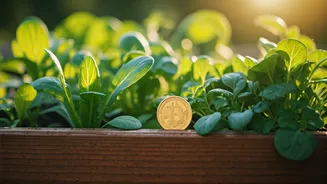
fruiting ones like tomatoes and peppers, need at least six to eight hours. If you have a shadier spot, don't despair; you can still grow fantastic leafy greens like lettuce, spinach, and kale. Next, consider weight. Pots filled with wet soil are heavy. If you're on a balcony or rooftop, understand its load-bearing capacity. Lightweight containers made from fiberglass or high-quality plastic can be a smart alternative to heavy terracotta or ceramic. Finally, map out your space. Thinking about where a climbing plant can use a wall, where a shady spot can protect delicate herbs, and how you’ll access everything for watering will prevent headaches later.
Choose Your Edible All-Stars
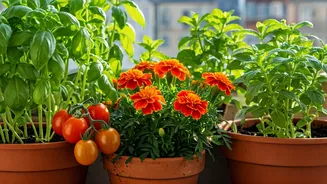
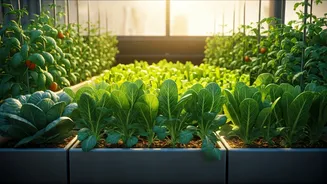
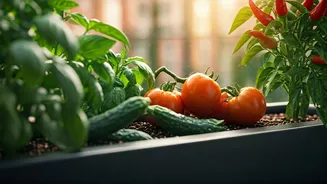
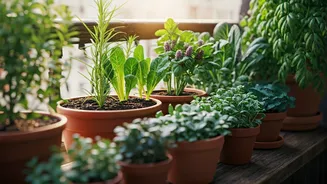
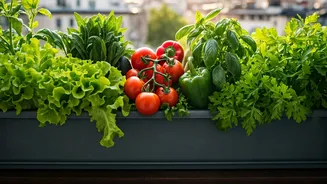
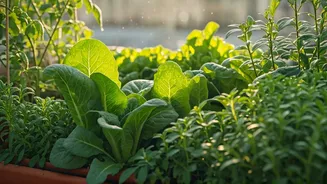
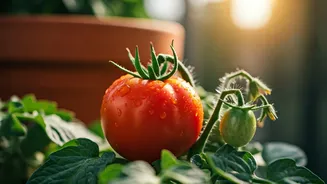
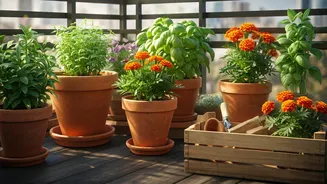
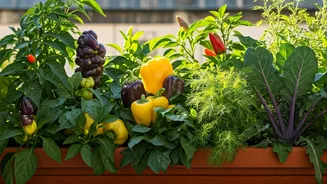
The key to a successful terrace garden is choosing plants that thrive in containers. Don't try to grow a sprawling pumpkin patch; instead, focus on compact, high-yield varieties. Herbs are the undefeated champions of container gardening. Basil, mint, parsley, rosemary, and chives are incredibly easy to grow, produce continuously, and add instant flavor to meals. For vegetables, start with leafy greens. 'Cut-and-come-again' lettuce varieties allow you to harvest outer leaves for weeks. When it comes to bigger rewards, look for 'patio,' 'dwarf,' or 'bush' varieties of your favorites. There are cherry tomatoes that are perfectly happy in a five-gallon bucket, bush beans that don't need a trellis, and compact cucumbers designed for small spaces. Involving the kids in the selection process is a great way to get them invested. If they choose to plant snap peas, they’ll be more excited to eat them.
The Right Foundation: Soil and Water
This is the single most common mistake new urban gardeners make: don't use soil from your backyard or a park. Garden soil is too dense for containers; it compacts easily, choking out roots and draining poorly. Instead, invest in high-quality potting mix. This is a specially formulated, lightweight blend of materials like peat moss, coir, perlite, and compost that holds moisture while allowing for excellent drainage and aeration—exactly what container plants need. Just as important is your watering strategy. Containers dry out much faster than garden beds, especially on a hot, windy terrace. Check the soil daily by sticking your finger an inch or two deep. If it's dry, it's time to water thoroughly until you see it run out the drainage holes at the bottom. Self-watering planters can be a game-changer for busy families, as they provide a consistent supply of moisture from a built-in reservoir, reducing the daily burden.
Make It a Family Affair
An edible garden is more than a food source; it's an outdoor classroom and a family project. Turn the garden into a living laboratory for your children. Let them get their hands dirty filling pots with soil, give them the responsibility of watering a specific plant, and send them out to hunt for ripe strawberries or cherry tomatoes. These simple acts teach valuable lessons about where food comes from, the patience required for growth, and the life cycle of plants. It’s a powerful, screen-free activity that connects the whole family to the natural world. Celebrate your harvest together, no matter how small. The pride a child feels when the whole family eats a salad made with lettuce they grew is immense. This shared experience transforms a simple terrace into a meaningful space, creating memories that last far longer than the growing season.