


The Monsoon’s Ephemeral Masterpiece
For most of the year, the cliffs lining India’s western shoreline are simply dramatic rock faces. But from June to September, the monsoon transforms the landscape. The Western Ghats, a UNESCO World Heritage Site and one of the world's most vital biodiversity
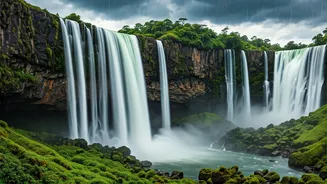
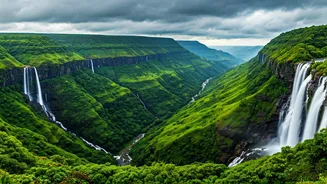
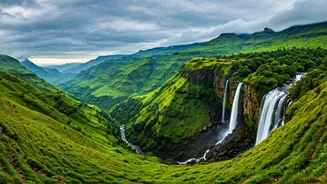
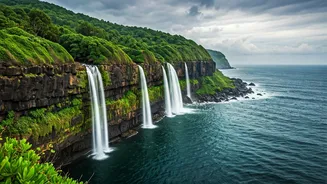
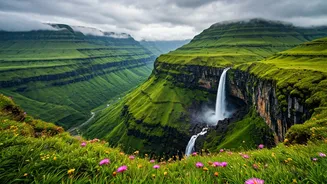
hotspots, soak up torrential rains. This water needs to go somewhere, and along the coastal stretches of Maharashtra, Goa, and Karnataka, it finds the most dramatic exit possible. Countless temporary streams and rivulets are born, carving paths through the lush greenery and cascading over cliffs in a display that lasts only as long as the rainy season. These aren't singular, giant waterfalls like you’d find inland; this is a more intimate and widespread phenomenon. It's the entire coastline coming alive, with silver ribbons of water appearing against the black rock, creating a scene that feels both raw and magical.
The Journey Is the Destination
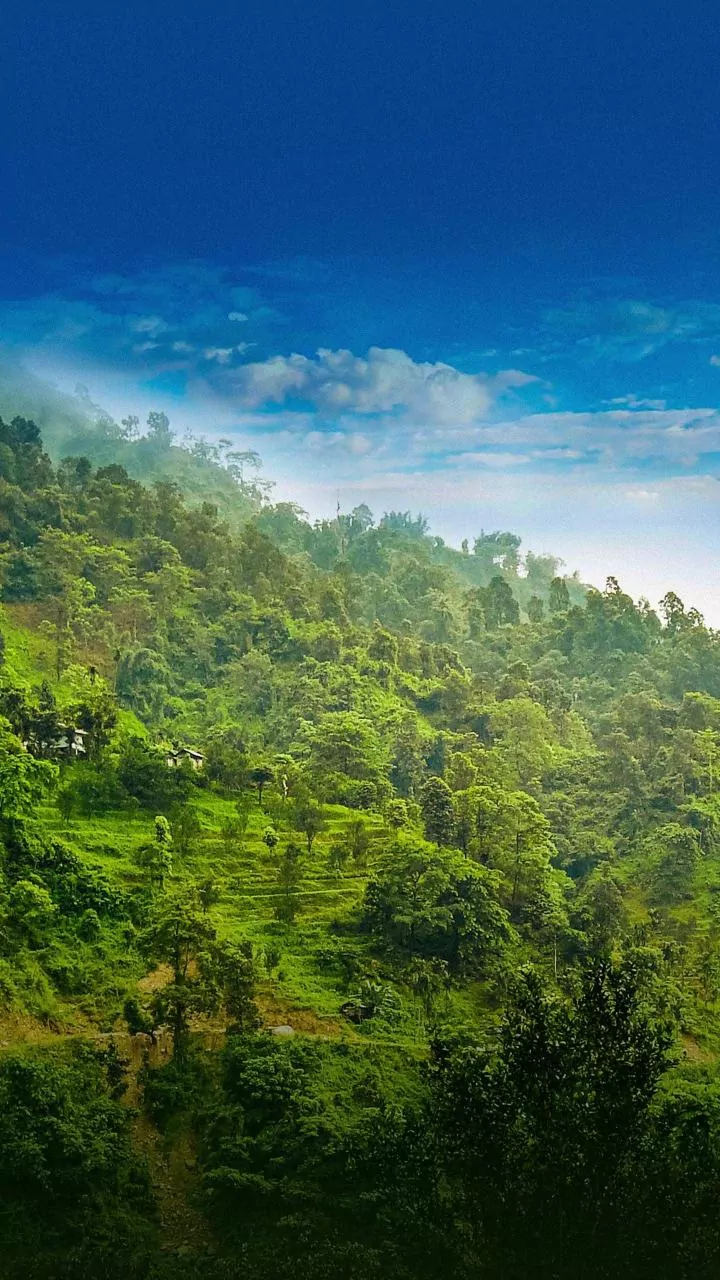
While you can drive, the most breathtaking way to witness this spectacle is by train. The Konkan Railway, an engineering marvel that cuts through these mountains, offers a front-row seat. The route from Mumbai down to Mangalore is legendary among travelers for its monsoon views. As the train winds through tunnels and over viaducts, the landscape outside your window becomes a moving mural of paddy fields glowing an impossible green, mist-filled valleys, and, of course, the waterfalls. You’ll see them everywhere—some are small, playful streams, while others are powerful torrents gushing down hillsides and, in certain special spots, directly over the coastal precipices. Booking a seat on a daytime train like the Tejas Express or Mandovi Express is essential for this cinematic experience.
Where to Find the Best Views
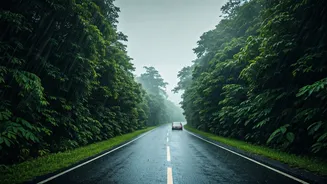
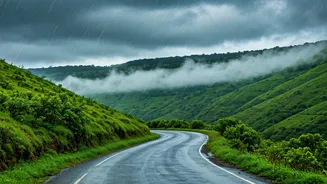
You won't find a single park entrance or a ticket booth for this experience. It's about exploring the right stretches of coastline. The state of Karnataka offers some of the most accessible spots. Near the temple town of Gokarna, a popular trek connects a series of beaches—Kudle, Om, Half Moon, and Paradise. During the monsoon, the trails on the headlands between these beaches offer prime vantage points for watching streams tumble down the cliffs. Further south, near Murudeshwar, the coastal highway (NH-66) itself provides stunning glimpses. Don't look for a specific, famous waterfall by name. Instead, embrace the spirit of discovery. Rent a scooter (if you're an experienced rider comfortable with wet roads) or hire a local car and driver, and ask them to take you along the coastal roads. They’ll know the unmarked spots where the seasonal falls are at their best.
Embrace the Full Monsoon Experience
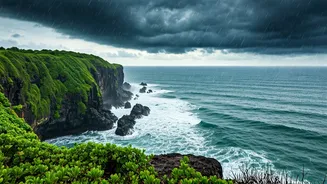
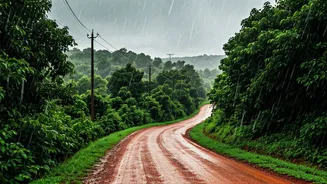
The waterfalls are the main event, but they're part of a larger sensory package. The monsoon on the Konkan Coast is about more than just a view; it’s a feeling. It's the smell of wet earth and salt in the air. It’s the taste of fresh seafood curries and piping hot chai from a roadside stall as you take shelter from a downpour. It's the sound of the roaring sea, the constant drumming of rain on a tin roof, and the chorus of frogs at night. Instead of seeking sunshine, you learn to appreciate the dramatic beauty of a storm rolling in over the ocean. The crowds are thinner, the prices are lower, and the entire region feels rejuvenated and intensely alive. It's a trip for travelers who find beauty in atmosphere, not just in perfect weather.
Essential Tips for Your Journey
Traveling during the Indian monsoon requires a bit of preparation. The best time to go is from late June to early September, when the rains are consistent. Pack light, but smart: quick-drying clothes are a must, as is a reliable rain jacket. Opt for sturdy, waterproof footwear with good grip, as coastal paths can become extremely slippery. Protect your electronics in waterproof bags. While beautiful, be cautious near cliff edges and on wet rocks. The ocean can be rough and unsafe for swimming during this season. Finally, travel with a flexible mindset. Heavy rains can sometimes cause delays or landslides. See it as part of the adventure—an invitation to slow down and simply watch the magnificent show that nature is putting on.