





The Allure of an Undiscovered Coast
For the American traveler looking to get off the beaten path of the Golden Triangle or the beaches of Goa, Andhra Pradesh offers a compelling alternative. Its nearly 600-mile coastline, the second longest in India, is dotted with bustling port cities
like Visakhapatnam (Vizag), serene temple towns, and stunning natural landscapes like the Araku Valley, just a short drive inland. The region boasts a rich culinary heritage, particularly its seafood, and historical sites that span centuries, from Buddhist ruins to colonial-era architecture. It’s a slice of India that feels authentic and largely untouched by the international tourism boom, promising a more immersive cultural experience. But this raw beauty is shaped by its geography, lying directly in the path of weather systems brewing in the Bay of Bengal.
Understanding the Weather Challenge
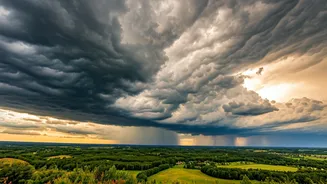
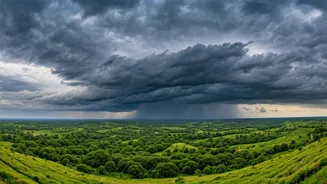
The primary challenge for any traveler here is the dual threat of monsoons and cyclones. Unlike a simple rainy season, this region experiences two distinct monsoon periods. The main Southwest Monsoon brings heavy rain and high humidity from June to September, making travel difficult and outdoor activities unpleasant. More impactful for the coast is the Northeast Monsoon, which occurs from October to December. This season not only brings rain but also coincides with the peak cyclone season in the Bay of Bengal. Cyclones are powerful, destructive storms—equivalent to hurricanes in the Atlantic—that can cause widespread flooding, power outages, and travel chaos. The shoulder months of April and May, while generally dry, can bring extreme heat and humidity, often preceding the monsoon’s arrival.
Timing Your Trip for Sun and Safety
Given the climate, timing is everything. The undisputed best time to visit the Andhra coast is from January to March. During these months, the weather is typically dry, sunny, and pleasantly warm, with comfortable humidity levels. This is the perfect window for beach-hopping, exploring Vizag’s scenic Kailasagiri park, or visiting the famous Simhachalam temple without battling rain or oppressive heat. The period from October to December is the most unpredictable and potentially dangerous; it’s best avoided by casual tourists. While you might get lucky with a few clear days, the risk of a cyclone disrupting or even endangering your trip is significant. Similarly, the peak monsoon months of July and August are generally not recommended unless your travel is essential.
Packing and Planning for the Elements
A weather-smart plan extends to your suitcase and itinerary. If traveling during the ideal January-March window, standard warm-weather clothing will suffice. However, if your trip borders the shoulder seasons, a few key items are non-negotiable. Pack lightweight, breathable fabrics like cotton and linen to combat humidity. A reliable waterproof jacket and an umbrella are essential, even if you’re hoping for sun. Consider bringing waterproof bags or dry sacks for electronics like your phone and camera, as a sudden downpour can catch you off guard. Because of the potential for storm-related power cuts, a fully charged portable power bank is a modern travel essential here. Finally, build flexibility into your schedule. If a weather warning is issued, be prepared to change your plans, whether that means staying an extra day in a city or skipping a planned excursion to a remote beach.
Staying Informed on the Ground
Once you arrive, staying aware is your best tool. Pay attention to local news and weather reports. The India Meteorological Department (IMD) is the official source for cyclone warnings and is widely reported by local media. When booking accommodations, especially during shoulder seasons, opt for well-constructed hotels in urban areas over more vulnerable beachside huts or resorts. These larger establishments are more likely to have backup generators and be built to withstand severe weather. Communicate with your hotel staff, drivers, and local guides; they have a lifetime of experience with the regional climate and can provide invaluable, up-to-the-minute advice. Their guidance can be the difference between a minor inconvenience and a serious problem.