



The Path Through the Clouds
The journey to India’s Valley of Flowers is not for the fair-weather tourist. It begins in the state of Uttarakhand, a region often called “Land of the Gods” for its staggering peaks and sacred rivers. As the monsoon rains sweep across the subcontinent
from June to September, most mountain adventures are put on hold. But for this specific quest, the downpour is the key. Trekkers start from the bustling base town of Govindghat, following a path that winds steadily upward alongside the roaring Pushpawati River. The air grows thin and cool, thick with the smell of damp earth and pine. Each step is a commitment, a push through slick stones and misty trails that seem to float between earth and sky. The reward isn’t promised; it’s earned. This isn’t just a hike; it’s a pilgrimage to a place that only reveals its magic for a few short months, a secret kept by the clouds.
A Paradise in Full Bloom
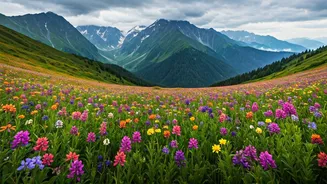
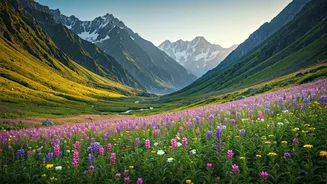
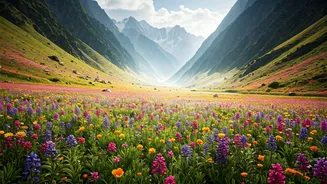
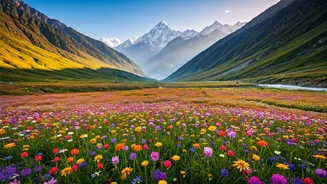
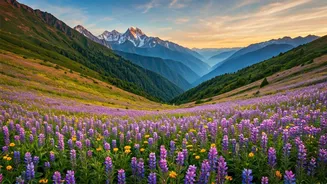
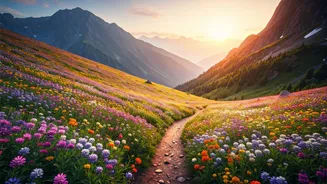
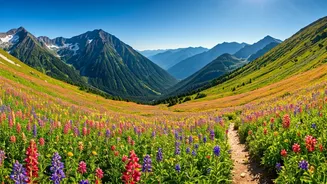
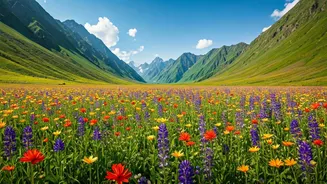
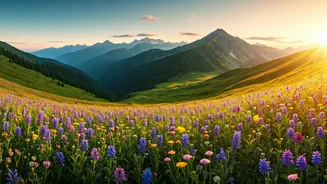
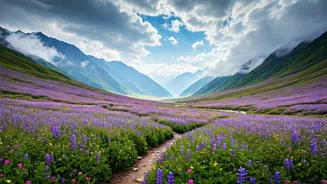
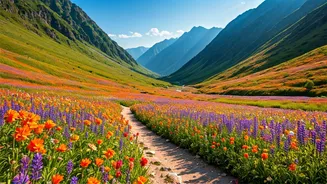
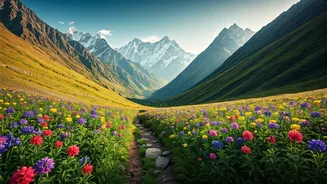
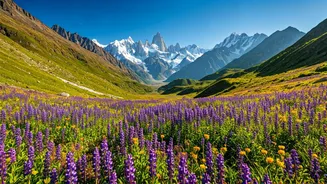
After a final ascent from the small outpost of Ghangaria, the world changes. The narrow, rocky path opens into an impossibly vast and gentle expanse. This is the reward: a U-shaped glacial valley, miles long and carpeted with a staggering variety of alpine flowers. The Valley of Flowers National Park, a UNESCO World Heritage Site, erupts into a riot of color during the monsoon. Waves of purple, yellow, pink, and white sway in the Himalayan breeze against a dramatic backdrop of snow-dusted, 22,000-foot peaks. Over 600 species of flowers thrive here, from the delicate Himalayan Blue Poppy—a near-mythical bloom for botanists—to elegant primulas, potentillas, and fiery-red cobra lilies. It’s a sensory overload in the best possible way. The sheer scale of it feels otherworldly, a painter’s palette splashed across the roof of the world. You’re not just looking at a field of flowers; you’re standing inside a living, breathing ecosystem that has waited all year for the rain to awaken it.
A Sacred, Mythical Landscape
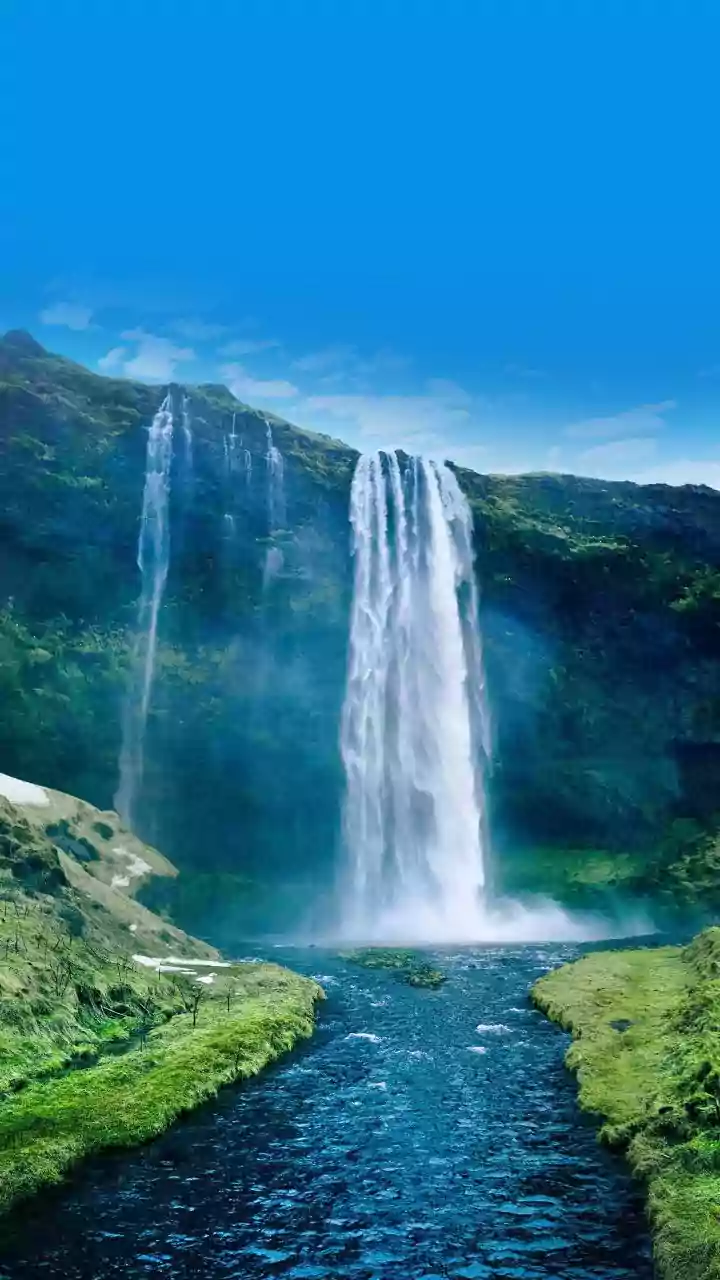
The Valley’s significance runs deeper than its botanical wonders. For centuries, it has been a place of legend and spirituality. Local folklore holds that this is the mythical ‘Nandan Kanan’—the celestial garden of the god-king Indra. Hindu mythology also links the valley to the epic Ramayana; it’s believed to be the place where the monkey god Hanuman found the life-saving herb, Sanjeevani, to heal a mortally wounded Lakshmana. Trekking here, you feel that ancient energy. The valley is almost entirely uninhabited, with no permanent settlements allowed within the park, preserving its pristine nature. The silence is broken only by the buzz of insects, the chirping of high-altitude birds, and the distant rush of waterfalls cascading down green cliffs. It’s a powerful reminder of nature’s ability to create and sustain profound beauty, far from the noise of the modern world.
Planning Your Himalayan Pilgrimage
If the call of the valley speaks to you, timing is everything. The park is only open from early June to early October, with the absolute peak bloom occurring from mid-July to mid-August. This is squarely monsoon season, so proper gear is non-negotiable: sturdy, waterproof hiking boots, a reliable rain jacket and pants, and layers to handle the fluctuating mountain temperatures. The trek is considered moderate in difficulty, but the real challenge is the altitude, which climbs to over 12,000 feet. Acclimatization is key. Most trekkers spend a night in Ghangaria (the final village before the valley) to adjust before making the final push. You don’t need to be an elite mountaineer, but a good level of fitness and a healthy dose of determination are essential. Guided treks are widely available and highly recommended, as they handle logistics, permits, and ensure you’re navigating the sometimes-tricky trails safely.