



The New Definition of Luxury
Forget gold-plated faucets and infinity pools. For the chronically online and professionally exhausted, the most coveted travel amenity is unavailability. This is the core of 'analogue living,' a travel trend that redefines luxury not as material excess,
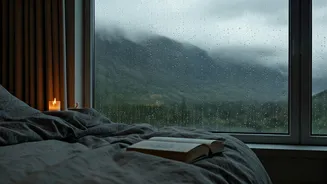
but as the freedom to disconnect entirely. It's about trading screen time for stargazing, push notifications for paper maps, and the anxiety of a full inbox for the simple focus of a good book or a long hike. In a culture that demands constant access, choosing to be unreachable has become the ultimate status symbol—a declaration that your time and attention are your own.
More Than Just a Digital Detox
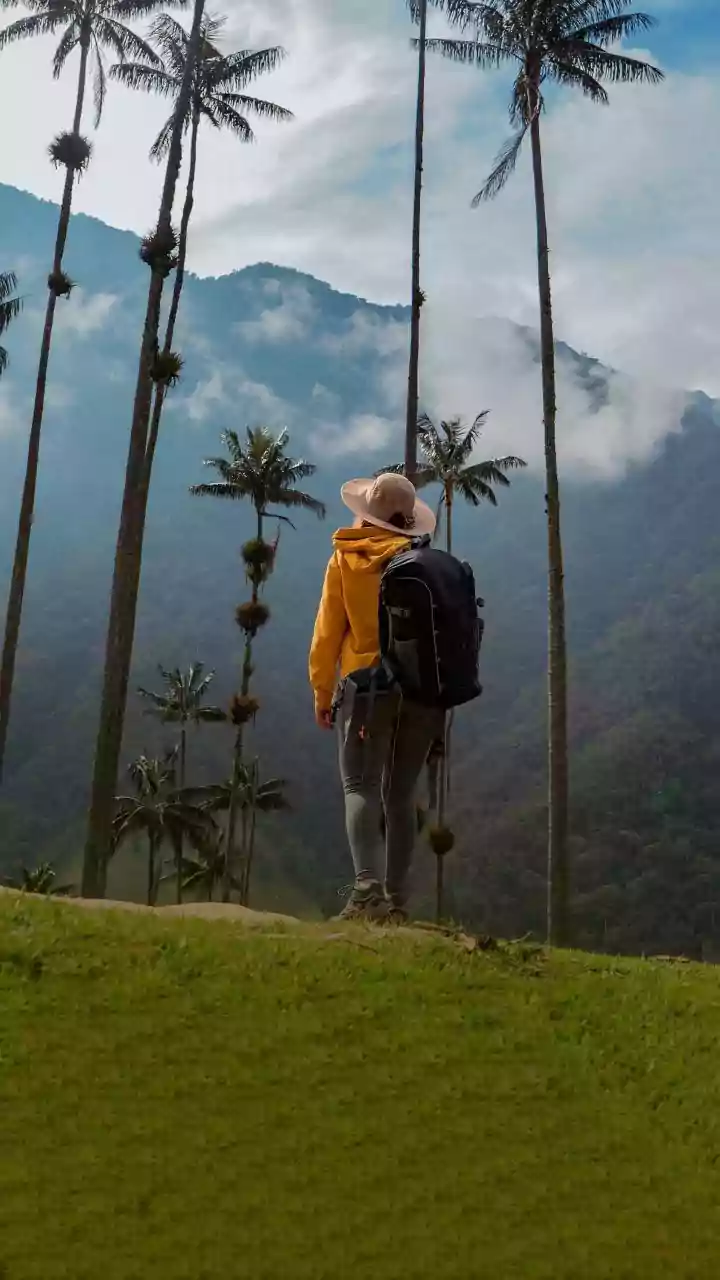
While the idea of a 'digital detox' has been around for years, analogue travel goes deeper. A detox implies a temporary, often forced, cleanse before returning to old habits. Analogue travel, by contrast, is about actively choosing a different way of being. It isn't just about leaving your laptop at home; it’s about seeking out experiences that are inherently non-digital. Think learning a craft from a local artisan, navigating a trail with a compass, cooking a meal over an open fire, or simply sitting on a porch and watching the world go by without the impulse to capture and post it. The goal isn't just to avoid technology, but to replace it with presence and tangible engagement with the world around you.
Why Burnout Is Driving the Trend
This movement isn't happening in a vacuum. It's a direct response to a crisis of American burnout. After years of hustle culture, the rise of remote work has further eroded the boundaries between professional and personal life. Many 'vacations' have become work-from-a-different-location, with the laptop and work phone always within reach. The result is a population that is rested in theory but exhausted in reality. Analogue travel offers a genuine antidote. By creating physical and digital distance, it forces a hard reset that a typical vacation might not. It allows the nervous system to calm down and the brain to break free from the addictive cycle of constant, low-grade digital stimulation.
From Five Stars to No Bars
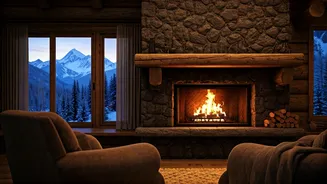
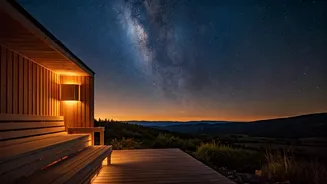
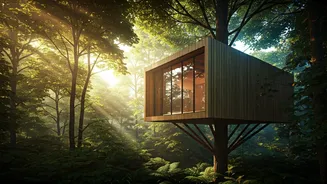
The travel industry is taking note. High-end wellness retreats now market their lack of connectivity as a primary feature. Boutique hotels are offering 'phone-free' common areas or providing lockboxes at check-in for guests to voluntarily surrender their devices. Off-grid cabins in remote locations, once considered rustic and basic, are now being marketed as premium escapes for burnt-out city dwellers. The selling point is no longer what you get, but what you get to leave behind. Destinations like the vast national parks of Utah, the quiet coasts of Maine, or the secluded forests of the Pacific Northwest are becoming the new hotspots for those seeking silence over spectacle.