
The Sweet Spot Between Snow and Rain
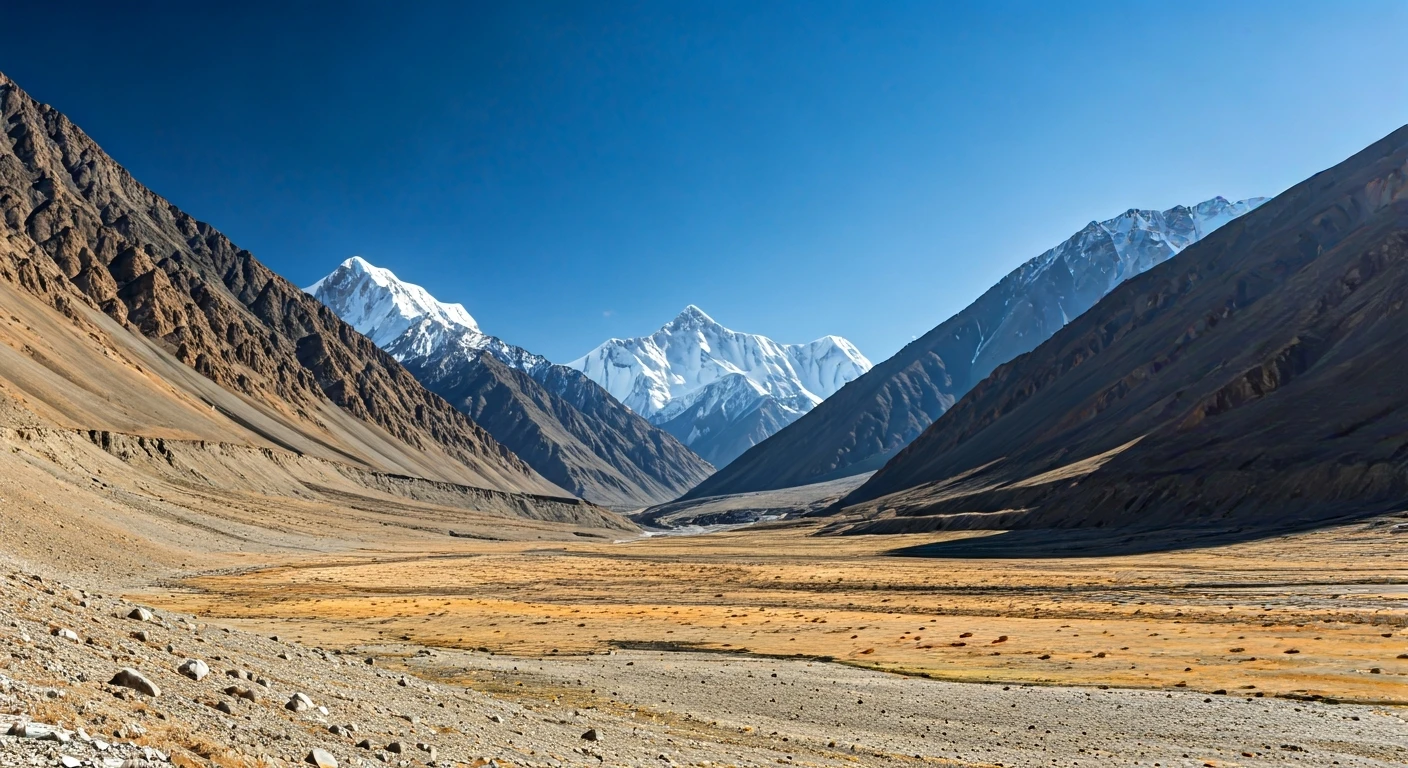
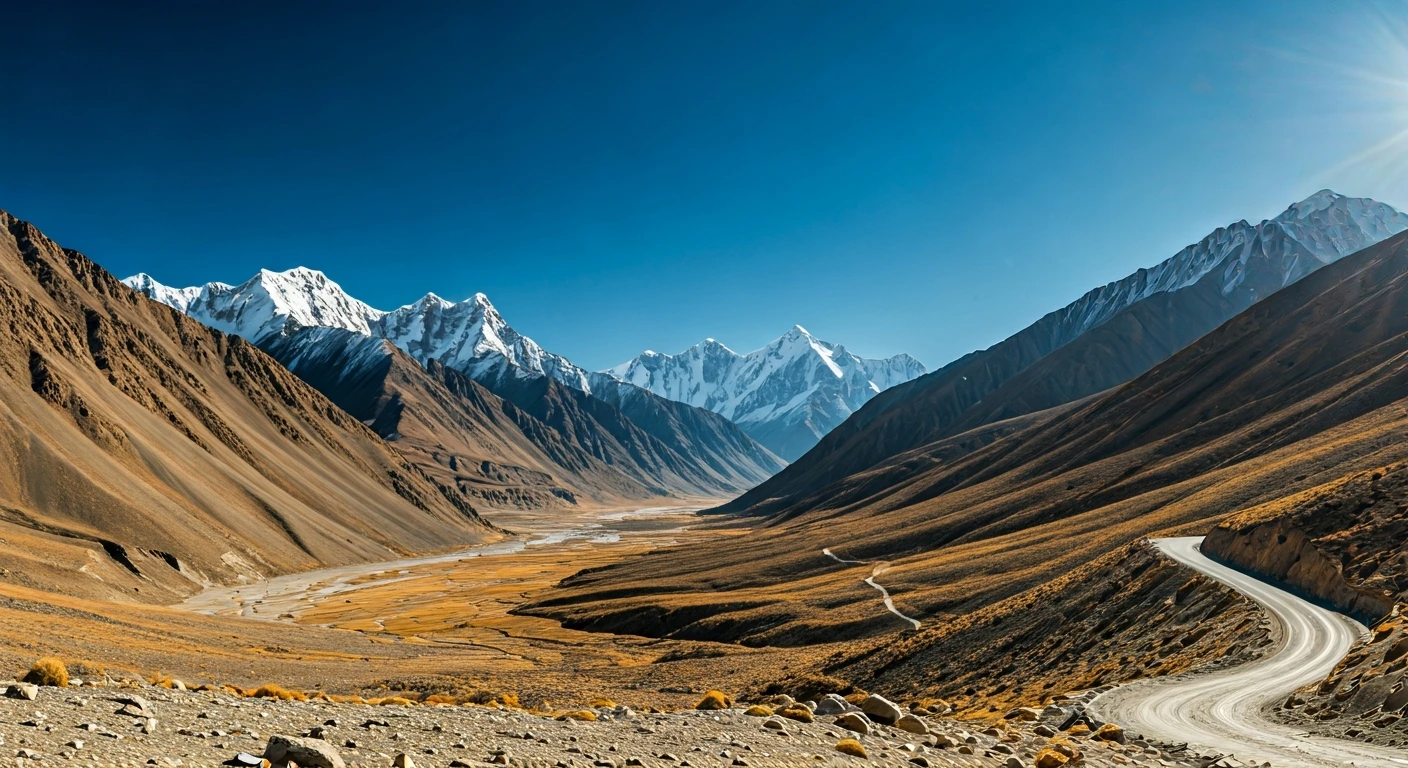
Spiti Valley is a high-altitude cold desert, which means its weather patterns are extreme. For most of the year, heavy snowfall renders it inaccessible, with temperatures plummeting far below freezing. Then, from July to September, the Indian monsoon
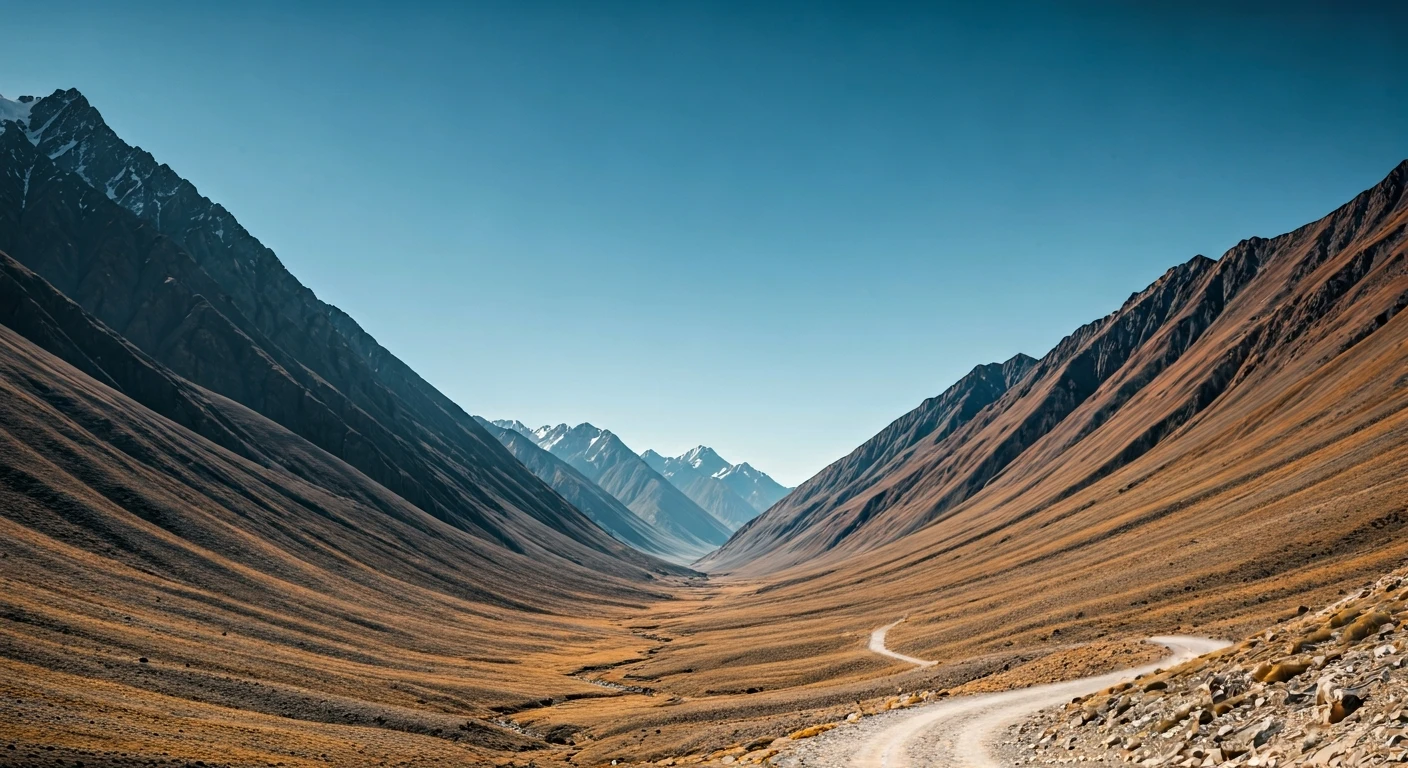
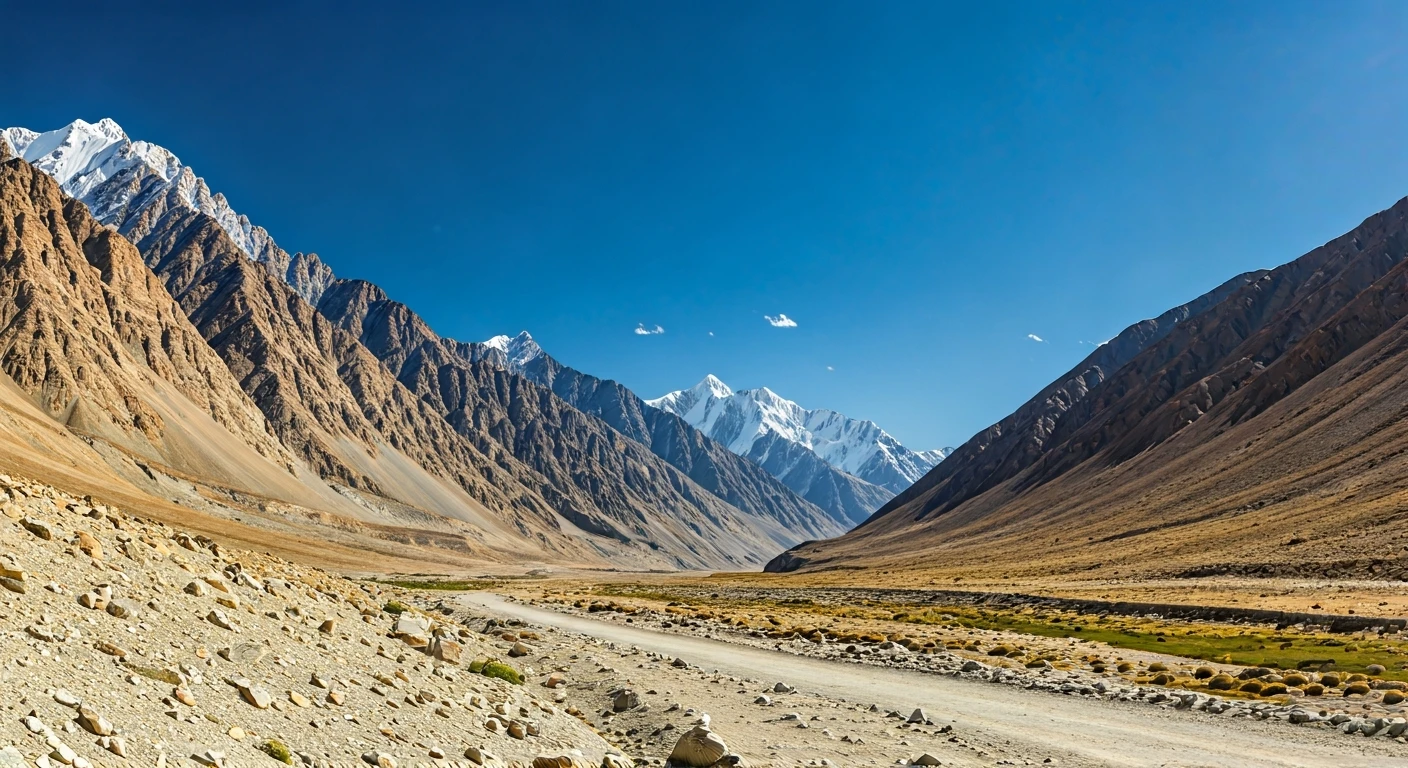
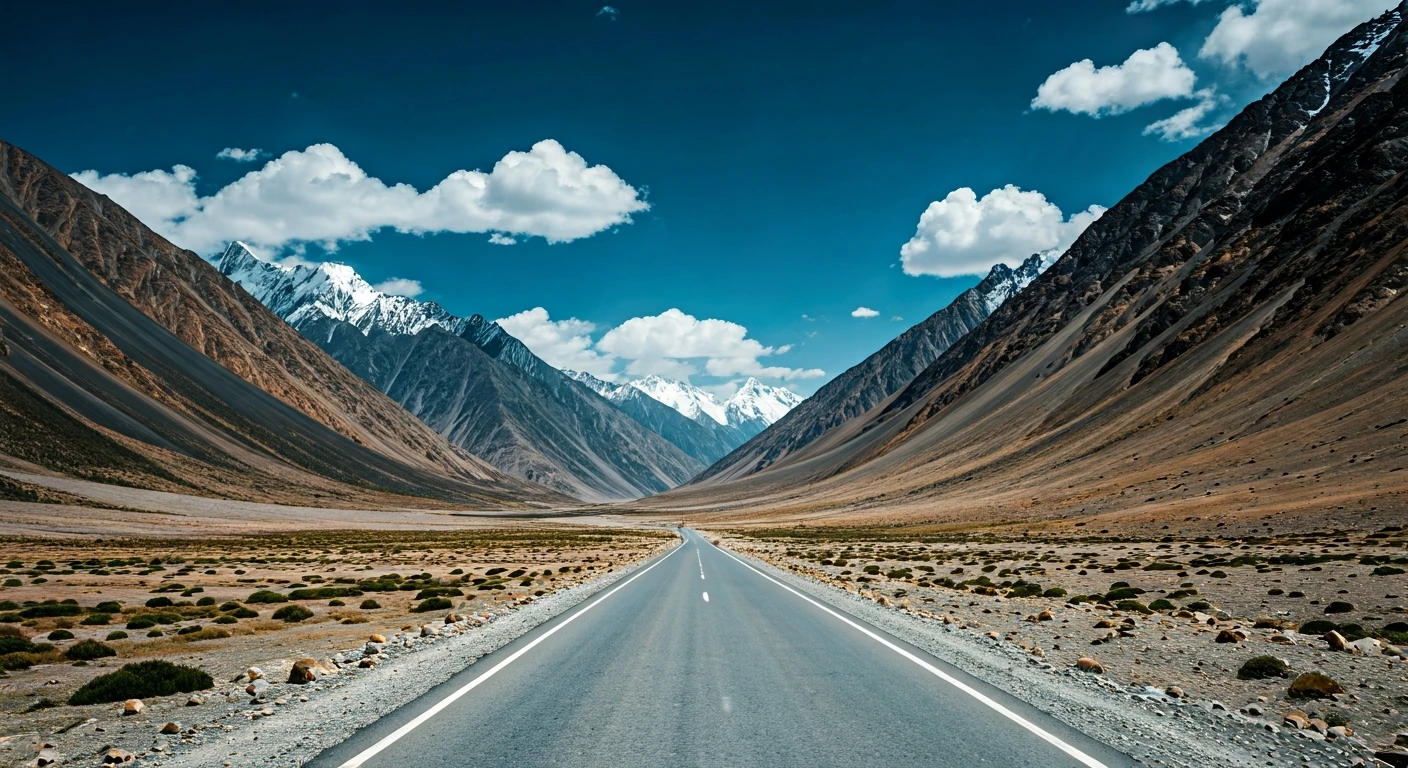
brings the risk of rain, landslides, and road blockages in the lower Himalayas. June, however, is the Goldilocks month. The winter snow has melted enough to clear the roads, but the summer monsoon has yet to arrive. This creates a magical window of opportunity characterized by brilliant blue skies, strong sun, and comfortable daytime temperatures that typically hover in the 60s Fahrenheit. Nights are still crisp and cold, often dropping to near freezing, but the long, sunny days are ideal for exploration.
The Legendary Roads Are Finally Open
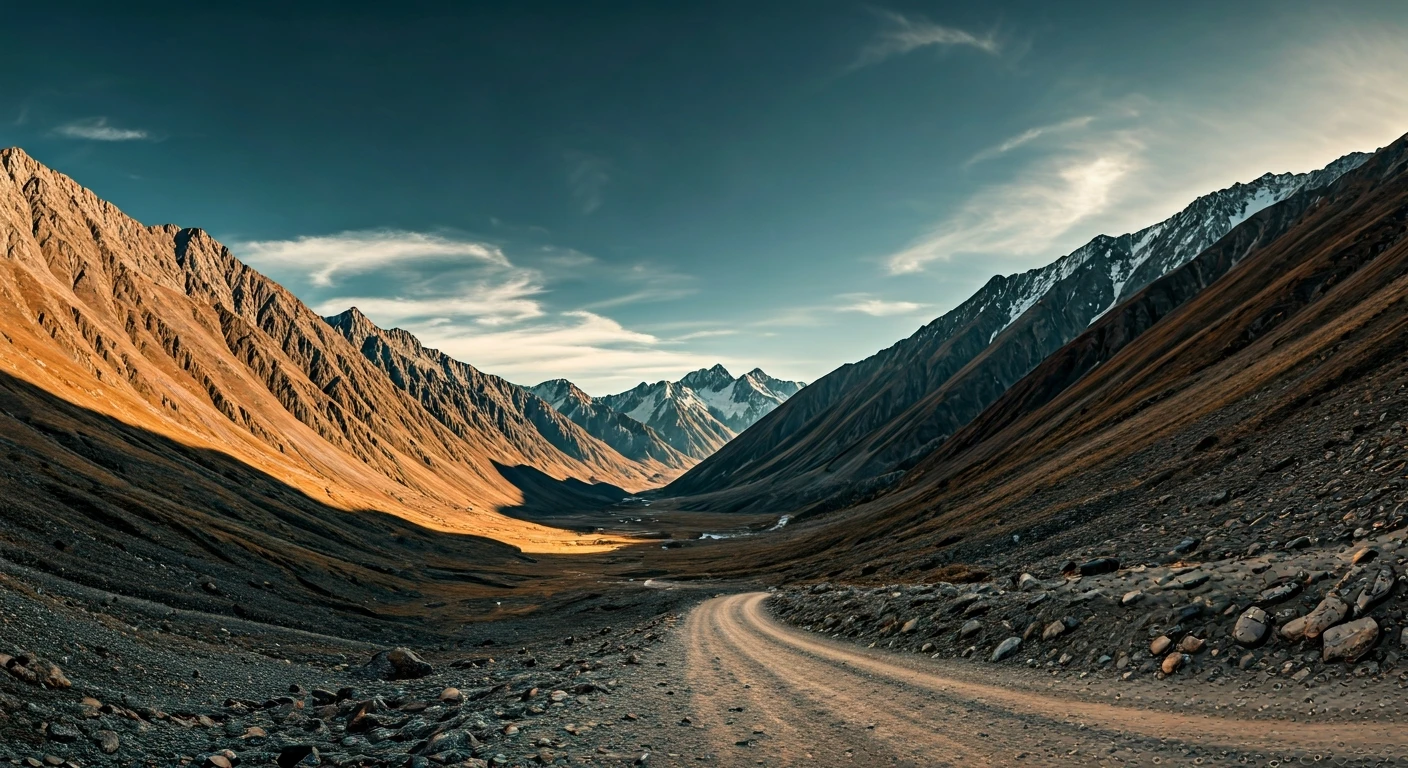
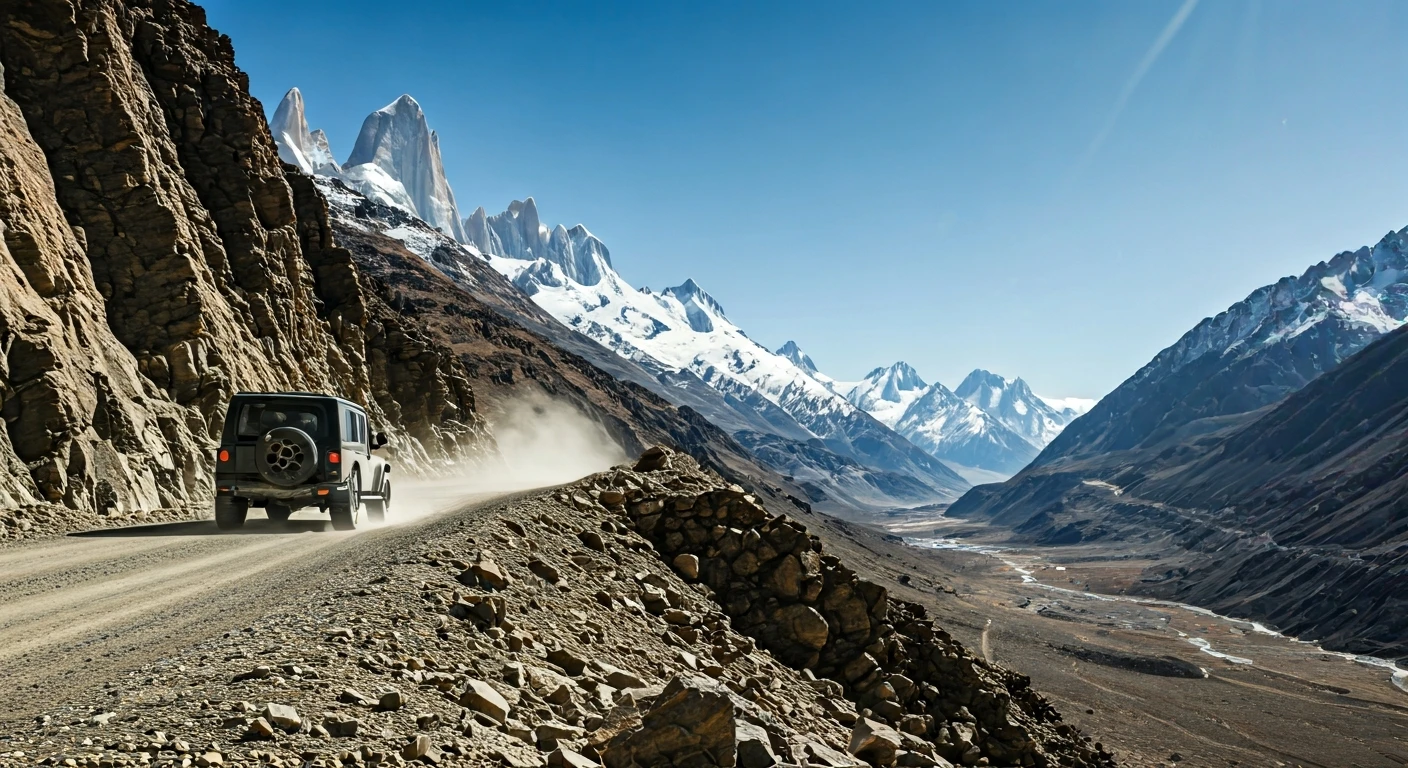
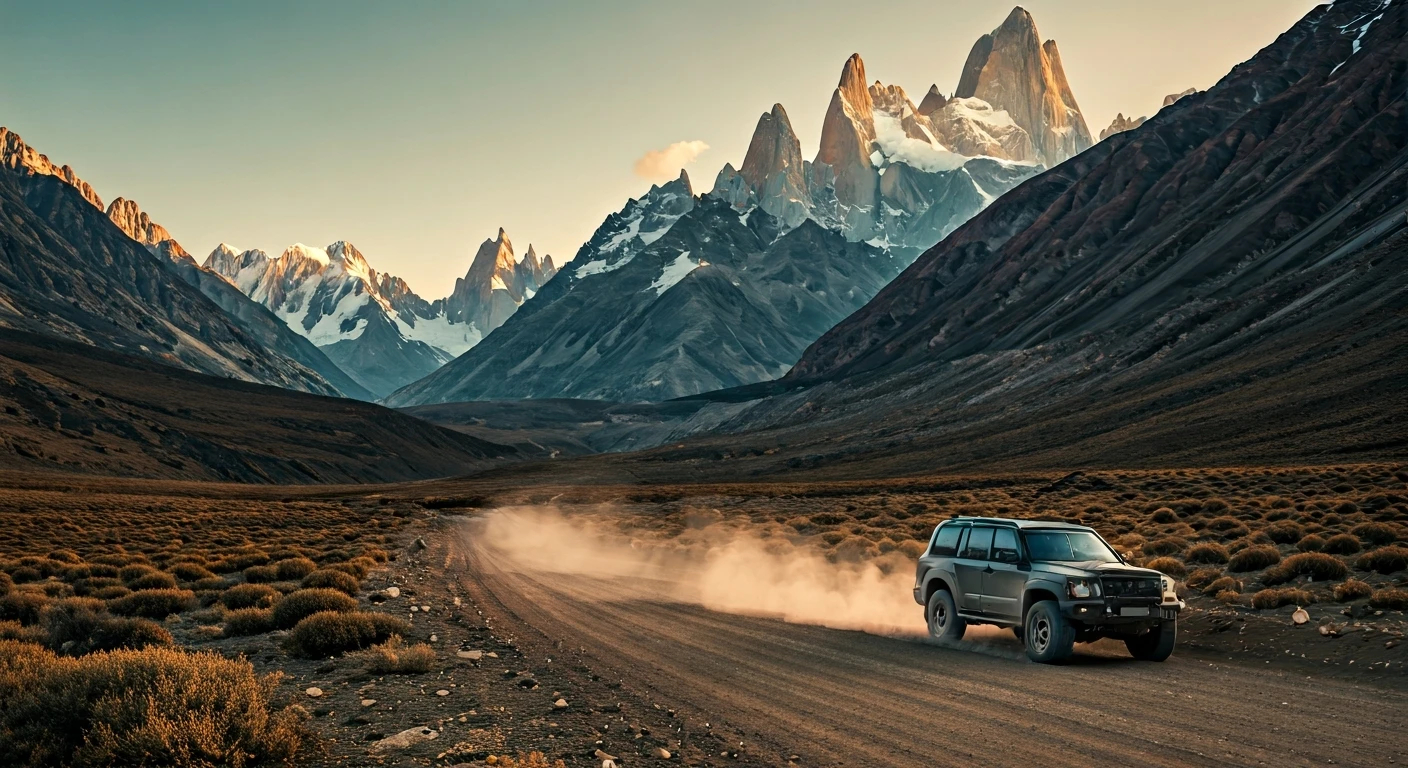
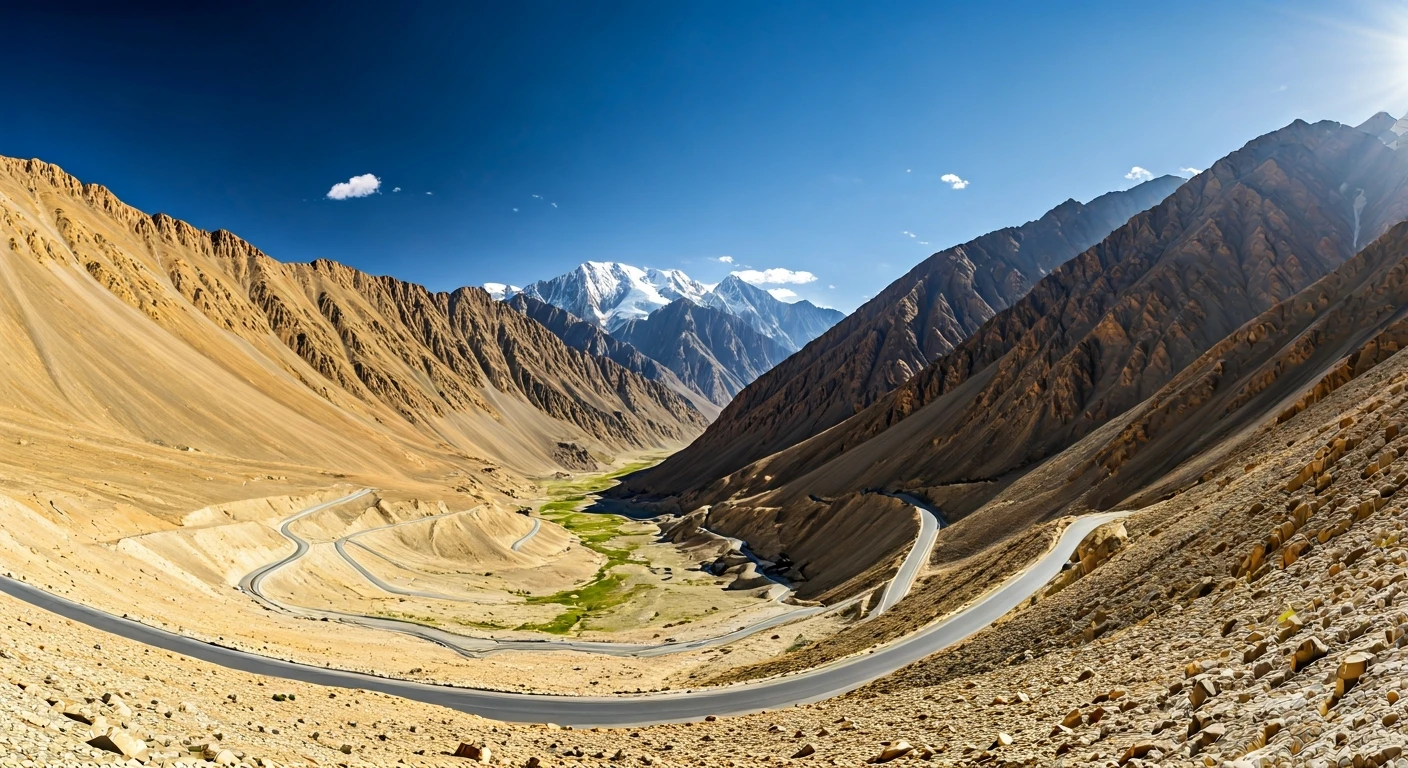
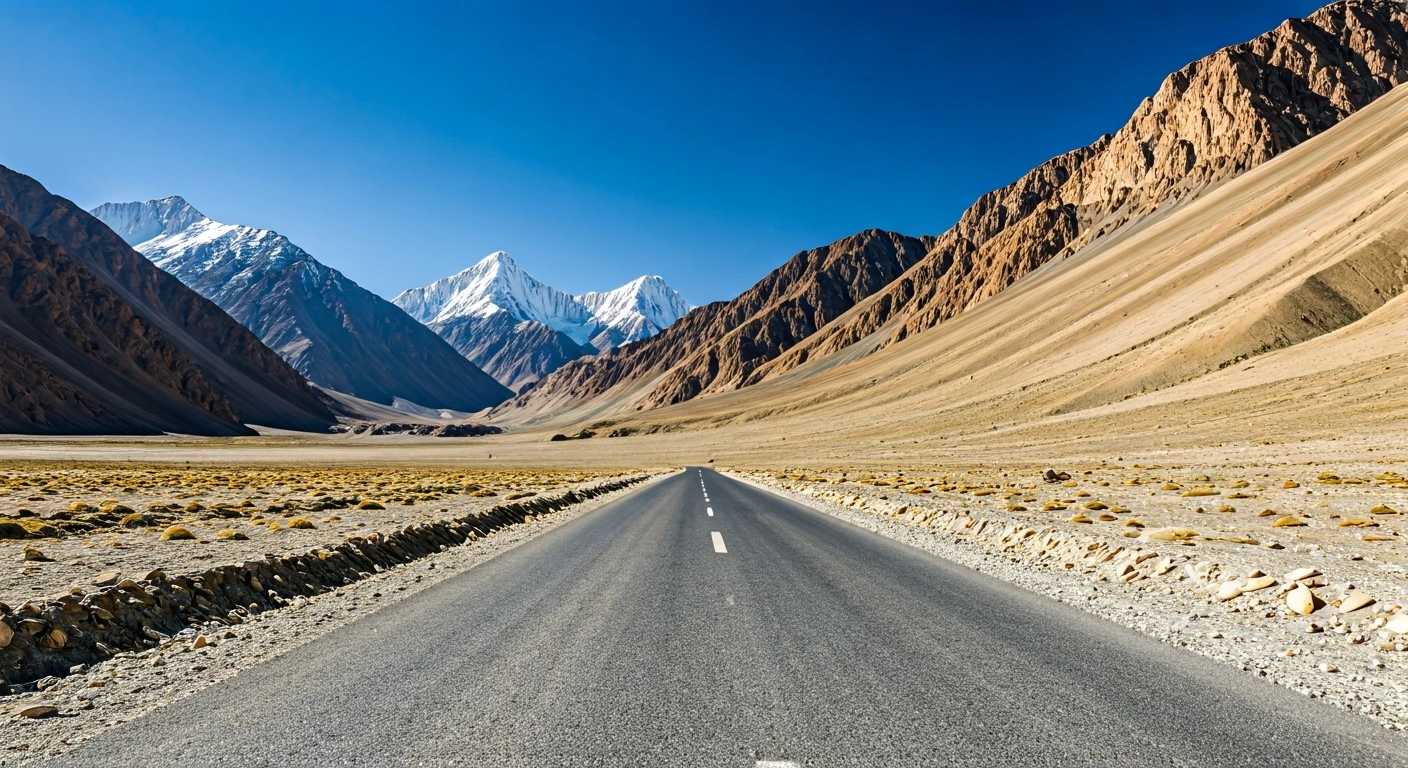
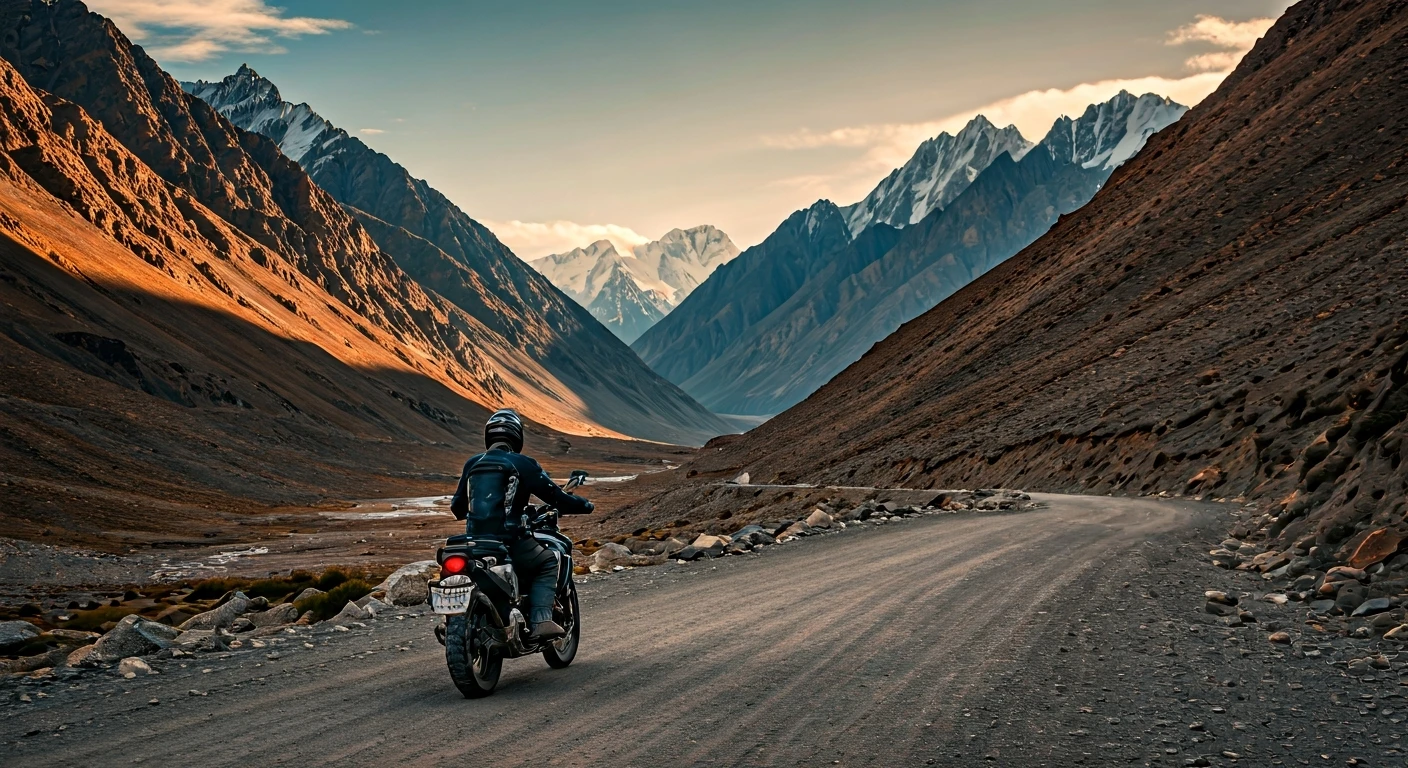
For many travelers, the journey to Spiti is as much a part of the adventure as the destination itself. June is a celebrated month because it almost always marks the opening of the famed Manali-Kaza highway. This route includes crossing two of India’s most formidable mountain passes: Rohtang Pass and Kunzum Pass (over 14,900 feet). Driving this road, with its hairpin bends, glacial melts trickling across the pavement, and jaw-dropping views of snow-capped peaks, is a rite of passage. While the road from Shimla is open for more of the year, the Manali route is shorter and more dramatic. Its opening in late May or early June allows travelers to complete the full Spiti circuit, entering from one side and exiting from the other without backtracking—the ultimate way to experience the region's diverse geography.
Monasteries Bathed in Sunlight
Spiti's soul is found in its ancient Tibetan Buddhist monasteries, and June provides the perfect conditions for visiting them. The iconic Key Monastery, a stunning complex perched on a hilltop resembling a fortress, is a breathtaking sight against a clear blue sky. You can explore its prayer halls and courtyards without battling harsh winds or snow. The same goes for Tabo Monastery, a UNESCO World Heritage site known as the "Ajanta of the Himalayas" for its incredible murals, which are best viewed when natural light streams into the ancient structures. Other must-visit sites like Dhankar Monastery, which sits precariously on a high spur overlooking the confluence of the Spiti and Pin rivers, are more accessible and enjoyable when the paths are dry and the sun is out.
Adventure Beyond the Main Highway
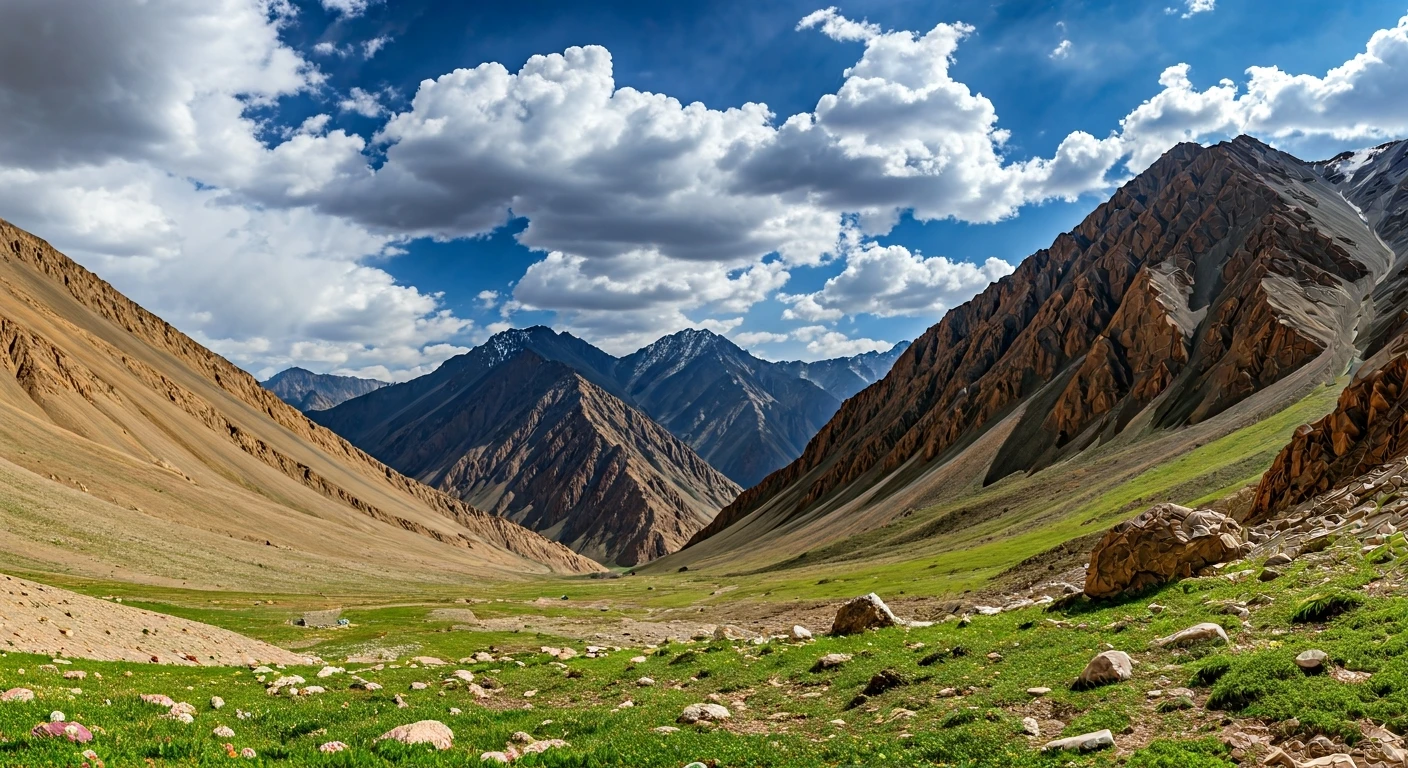
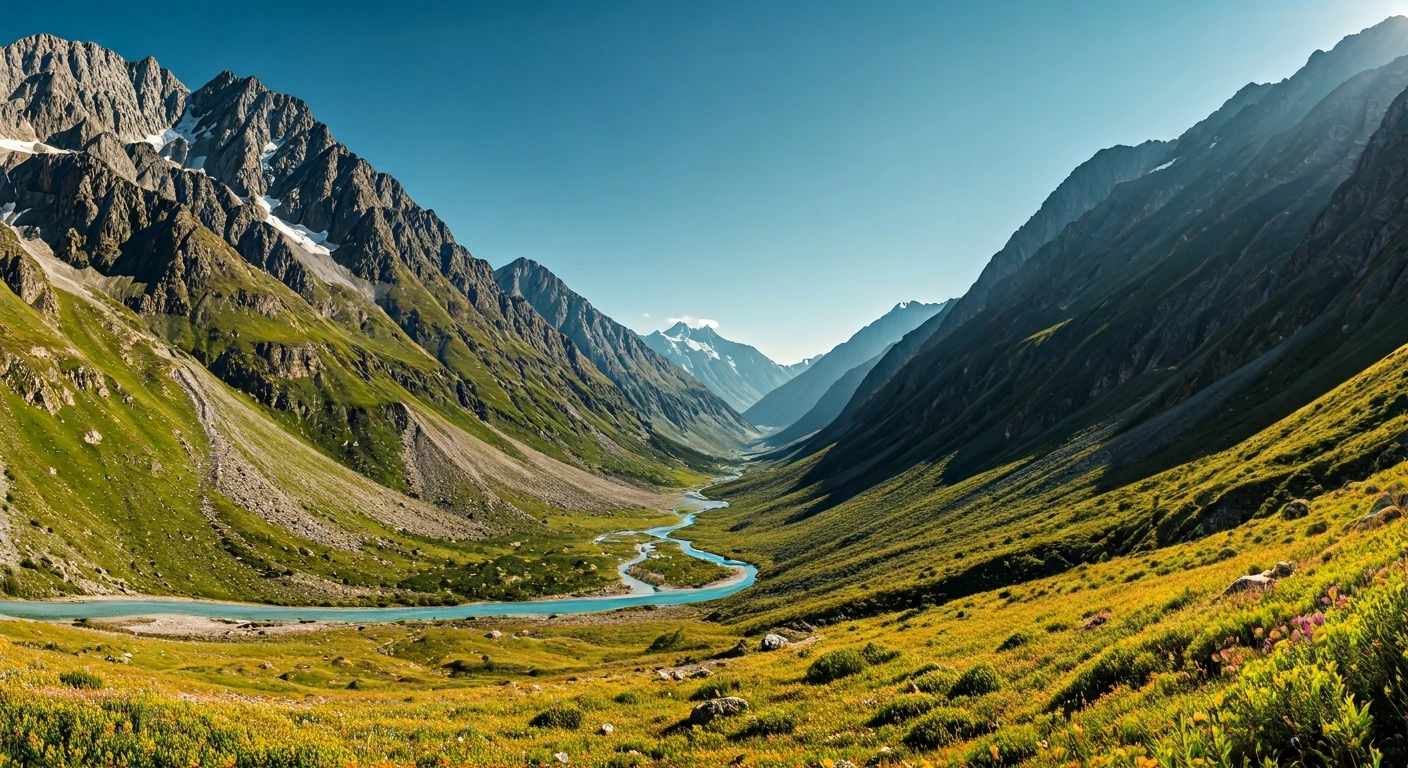
With the landscape free from its winter blanket, June unlocks a host of outdoor activities. It's an ideal time for day hikes to scenic viewpoints or high-altitude villages. You can visit Komik, one of the highest villages in the world connected by a motorable road, and send a postcard from the world's highest post office in Hikkim. The side trip into the lush Pin Valley National Park, a green oasis in the middle of the brown desert and home to the elusive snow leopard, is also more accessible. The stable weather allows for more reliable travel planning, letting you venture off the main Kaza-Tabo road to discover hidden lakes, remote hamlets, and spectacular vistas that are simply out of reach during other times of the year.
Pack for Four Seasons in One Day
While June weather is considered perfect, "perfect" in the high Himalayas means wildly variable. The sun at over 12,000 feet is incredibly intense, making sunscreen, a wide-brimmed hat, and quality sunglasses non-negotiable. At the same time, the moment the sun dips behind a cloud or you step into the shade, the temperature can drop dramatically. The key to comfort is layering. Pack moisture-wicking base layers, a fleece or mid-layer for warmth, and a windproof and waterproof outer shell. Even in June, a warm hat and gloves are essential for the cold nights and early mornings. Think of it as packing for a cool autumn day in New England, but with the sun of a desert afternoon mixed in.