
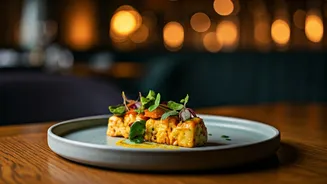
Moving Beyond the Curry House Cliché
The story of ethnic food in America often follows a predictable path: introduction, simplification, and then, hopefully, rediscovery. For years, Indian cuisine was stuck in the simplification phase. Restaurants, often run by first-generation immigrants
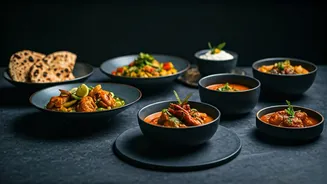
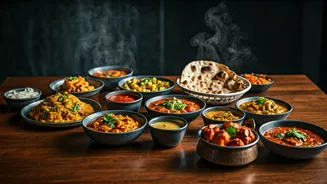
trying to appeal to a broad, unfamiliar palate, focused on a handful of Northern Indian dishes. Words like 'curry' became a catch-all, erasing the vibrant diversity of a subcontinent with dozens of distinct culinary traditions. This led to a perception of Indian food as cheap, heavy, and one-dimensional—a reliable takeout option, but rarely a contender for a celebratory, high-end meal. It was food designed not to offend, which meant sanding down the sharp, funky, and complex edges that define so much of India's home cooking. The culinary richness of a nation was flattened into a menu you could find in any strip mall from coast to coast.
The New Guard: Unapologetically Indian
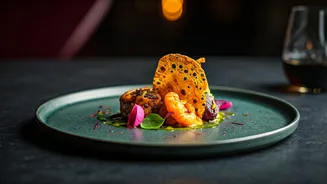
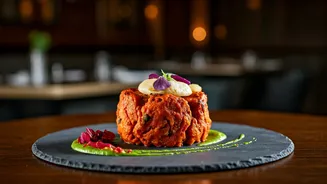
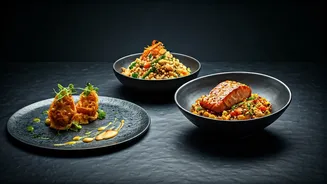
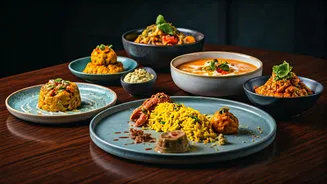
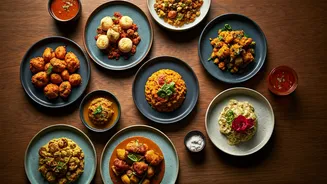
That old script is being torn up by a new generation of chefs. Many are Indian-American or recent immigrants who are no longer interested in assimilation on a plate. They are cooking with confidence, reintroducing Americans to the foods of their childhoods and regions. Chefs like Chintan Pandya of New York's Dhamaka and Semma have earned Michelin stars and national acclaim by focusing on hyper-specific, 'unapologetically' Indian dishes—from rustic goat preparations popular in roadside shacks to delicate seafood curries from the southern state of Tamil Nadu. Out on the West Coast, chefs like Srijith Gopinathan of Copra in San Francisco are dazzling diners with the coastal flavors of Kerala, using coconut, fresh seafood, and intricate spice blends that are worlds away from the heavy, cream-based sauces of the past. These chefs aren't just making Indian food; they're telling personal stories through it, refusing to translate or tone down their heritage for a mainstream audience. Instead, the audience is coming to them.
It's About Technique, Not Just Turmeric
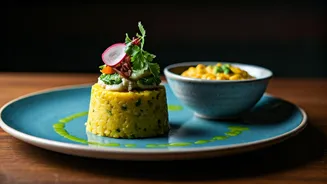
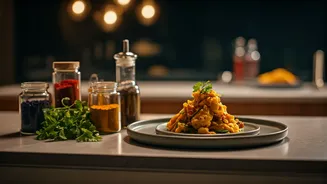
What makes this trend so significant is that it’s not just about new ingredients. Fine-dining kitchens are embracing the *techniques* and *philosophies* of Indian cooking. This goes far beyond adding a dash of turmeric to a sauce. Chefs are exploring the complex art of layering spices—a technique known as 'tadka' or 'tempering,' where whole spices are bloomed in hot fat to release their essential oils. They are mastering fermentation practices that have been used for centuries to make dosa and idli batter. They're utilizing the intense, smoky heat of the tandoor for more than just chicken and bread. This represents a fundamental shift in respect. For the first time on a large scale, the Indian kitchen is being viewed not as a source of exotic flavors, but as a repository of sophisticated culinary wisdom on par with the French or Japanese traditions that have long dominated fine dining.
Why Now? A Perfect Storm of Factors
Several forces are driving this change. First, American diners are more adventurous than ever, thanks in part to travel, food television, and the internet. Palates have become more global, and there's a growing hunger for authenticity and new experiences. Second, the chefs themselves have changed. The second-generation children of immigrants feel empowered to celebrate their heritage without compromise. They have the classical training from American culinary schools, but the soul of their cooking comes from their grandmother's kitchen. Finally, the conversation around food has matured. We're moving away from a Eurocentric definition of 'gourmet.' There's a growing recognition that a perfectly spiced bowl of rasam can be as complex and satisfying as a classic French consommé. The gatekeepers of taste—from food critics to award committees—are finally catching up, bestowing stars and accolades on restaurants that proudly showcase the depth of Indian cuisine.