
The Frozen Aisle’s Familiar Problem
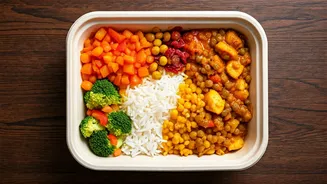
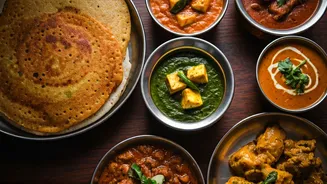
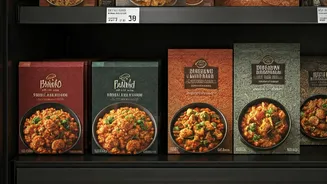
Walk down the frozen food aisle of any major American supermarket, and you’ll likely find it: a uniform block of black trays filled with chicken tikka masala, palak paneer, and a side of basmati rice, all sealed under a plastic film. For many Americans,
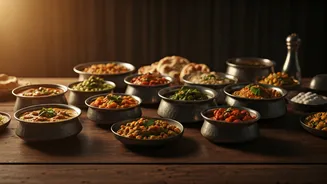
this was their first, and perhaps only, introduction to the vast and varied world of Indian cuisine. These ready-to-eat meals, pioneered by brands in the ‘90s and early 2000s, performed a crucial service. They made an unfamiliar cuisine approachable, convenient, and safe for a mainstream audience that may have considered a trip to a local Indian restaurant too adventurous. But in prioritizing convenience and mass appeal, something was lost. Flavors were often toned down, spices were muted, and the incredible regional diversity of South Asian food was flattened into a handful of North Indian, Mughlai-inspired dishes. These meals were approximations—a serviceable but ultimately uninspiring version of a cuisine bursting with complexity. For a generation, this was the accepted trade-off for convenience. But as consumer tastes evolve, that trade-off is no longer acceptable.
Enter the New Guard
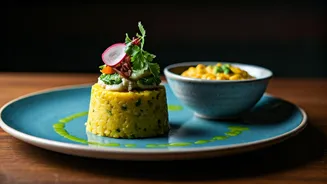
The “Desi upgrade” is being led by a new generation of founders who are unwilling to compromise. These are often second-generation South Asian Americans who grew up navigating two cultures, with a deep appreciation for the authentic flavors of their parents’ kitchens and a savvy understanding of the modern American marketplace. They’re not just tweaking old formulas; they’re rewriting the rulebook. Brands are emerging that focus on what the first wave left behind: regional specificity, high-quality ingredients, and unapologetic flavor. You can now find ready-to-cook meal kits for specific dishes like Goan fish curry or Kerala-style thoran. You see jarred sauces and simmer pots, like those from Brooklyn Delhi, that capture the complex, tangy, and fermented notes of achaar (Indian pickles), a world away from generic curry paste. These products aren’t just “Indian-flavored”; they’re telling a specific story about a specific place, recipe, or family tradition. The branding is modern and direct, designed to stand out on a shelf and appeal to a discerning, Instagram-savvy consumer.
More Than Just a Meal
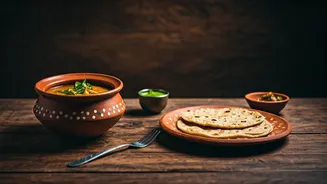
This movement is about more than just food; it’s a powerful expression of cultural confidence. For years, many immigrants and their children felt the pressure to assimilate, to sand down the spicier, louder, and more pungent aspects of their heritage to fit in. This often extended to the food they brought for lunch or cooked at home. The current boom in authentic Desi brands represents a powerful reversal of that trend. These entrepreneurs are proudly putting their heritage front and center. Their founder stories are their marketing. They speak of mothers and grandmothers, of jeera and hing, not as exotic novelties but as foundational elements of their identity. By creating products that refuse to apologize for their bold flavors, they are implicitly stating that their culture is not something to be watered down for mass consumption. It’s an invitation to a broader American audience to not just taste their food, but to appreciate it on its own terms.
The Business of Authenticity
This cultural shift is perfectly aligned with broader market forces. Today’s consumers, especially Millennials and Gen Z, are more adventurous eaters than any generation before them. They are digitally native, exposed to global cultures through social media, and actively seek out new culinary experiences. Furthermore, they demand transparency. They want to know where their food comes from, what’s in it, and the story behind the brand. The new guard of Desi food brands delivers on all fronts. They offer clean ingredient lists, free from the preservatives and artificial additives common in older shelf-stable products. They leverage social media to connect directly with customers, sharing recipes and behind-the-scenes content that builds community. Their authenticity isn't a marketing gimmick; it's their core business model. And it's working. Major retailers, once hesitant to stock anything beyond the familiar top-sellers, are now making room for these smaller, dynamic brands, recognizing that authenticity is what the modern consumer craves.