


The Enduring Allure
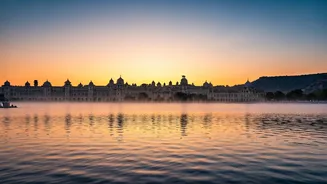
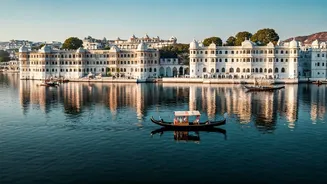
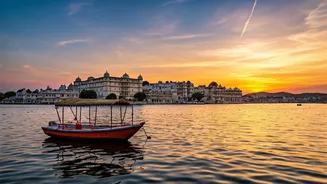
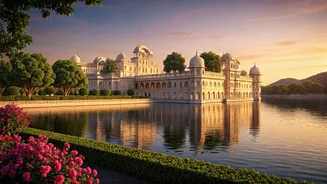
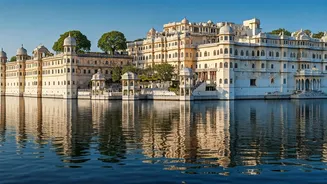
You can’t talk about Udaipur without picturing the icons. There’s the ethereal Taj Lake Palace, seemingly floating on the waters of Lake Pichola, and the imposing City Palace, a sprawling complex of courtyards and balconies that has watched over the city
for centuries. For American travelers dreaming of India, this corner of Rajasthan has long represented the pinnacle of royal heritage—a place to live out a Maharajah fantasy, even just for a few days. The city’s identity was deeply intertwined with its past, offering a well-preserved glimpse into a bygone era of Rajput grandeur. This was its magic, but also its predictable script: arrive, see the palaces, take a boat ride, and marvel at the history.
A New Wave of Palaces
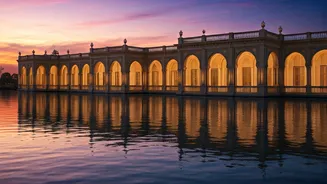
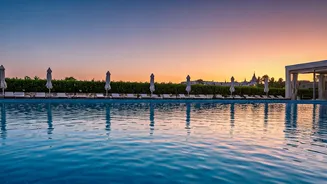
That script is being joyfully rewritten. The fresh energy in Udaipur is being driven by a new generation of luxury hotels that honor the past without being constrained by it. They aren't just restoring old forts; they're building new landmarks. The most prominent example is Raffles Udaipur, which opened in 2021 on a 21-acre private island in Udai Sagar Lake. It’s an architectural marvel that deliberately styles itself as a contemporary palace, blending European and Mughal design elements. Unlike hotels housed in historic structures, it was built from the ground up with the modern luxury traveler in mind, featuring expansive rooms, sprawling gardens, and a sense of exclusive seclusion that feels both opulent and utterly current. It represents a bold statement: Udaipur’s next chapter of luxury is being written right now.
From Sightseeing to Experience
This new wave is about more than just stunning architecture; it's about a fundamental shift in what a luxury stay provides. The focus has moved from passive sightseeing to active, curated experiences. While the classic hotels offered history tours, the new guard is offering immersion. Hotels are crafting bespoke culinary journeys that explore hyper-local ingredients, arranging private art walks with local artisans, and offering wellness programs that go far beyond a standard spa menu. Nearby, Six Senses Fort Barwara (which hosted a celebrity wedding that caught global attention) has made sustainable restoration and wellness its entire brand, turning a 14th-century fort into a sanctuary for mind and body. This evolution caters to a traveler who doesn't just want to see a place but feel it, taste it, and connect with it on a deeper level.
Redefining Rajasthani Royalty
The aesthetic is evolving, too. While the iconic heritage hotels offer authentic, museum-like beauty, the new properties are redefining what “royal” looks like for the 21st century. The design language is lighter, brighter, and infused with a global sensibility that still pays homage to its Rajasthani roots. You’ll find traditional block-printing alongside minimalist furniture, and intricate marble inlay work in spaces designed for a perfect Instagram shot. This approach broadens Udaipur’s appeal, attracting a younger, design-conscious demographic that appreciates both heritage and contemporary style. It proves that luxury in India is not a monolith; it can be historic, modern, and everything in between. This new energy doesn't compete with the old guard—it complements it, creating a more dynamic and diverse travel ecosystem.