



More Than Just Steps
For years, the fitness world was dominated by high-intensity interval training, punishing boot camps, and the ethos of “no pain, no gain.” Walking was often dismissed as a gentle warm-up or something reserved for rest days. But a significant cultural
shift is underway. Americans are rediscovering walking not just as a way to get from point A to point B, or to hit a 10,000-step goal, but as a primary form of movement, mindfulness, and connection. This isn't just about logging miles; it's about reclaiming time, space, and mental clarity. The momentum behind walking comes from its profound simplicity in a world that often feels overwhelmingly complex. It has become a quiet rebellion against the pressure to always be optimizing, pushing harder, and moving faster.
The Mental Health Reset Button
Perhaps the biggest driver behind walking’s resurgence is its undeniable impact on mental health. In the wake of a global pandemic that heightened stress, anxiety, and feelings of isolation, walking emerged as a powerful and accessible coping mechanism. Unlike a grueling workout that can sometimes feel like another chore, a walk can be whatever you need it to be: a moment of quiet solitude, a moving meditation, or a way to process the day's events. Studies have long shown that walking can reduce symptoms of depression and anxiety, but the general public is now embracing this benefit with vigor. The concept of the “silent walk,” where individuals intentionally leave their headphones and phones behind, is gaining traction as a way to combat sensory overload and reconnect with one’s own thoughts. For the millions of Americans navigating hybrid work schedules, a midday walk has become a crucial tool for punctuating the day, creating a clear boundary between work and life.
Walking as the New Social Scene
While solo walks offer introspection, walking with others has become a new form of social currency. The viral “hot girl walk” trend on TikTok, for example, transformed the solitary stroll into an act of self-care and empowerment, often shared with friends. The phrase transcended its literal meaning to represent a mindset: dedicating time to your physical and mental well-being. Beyond social media, communities are forming around walking. Neighborhood walking groups, which saw a surge in popularity when indoor gatherings were restricted, have proven to have lasting appeal. They offer a low-pressure way to build community and combat loneliness. Catching up with a friend over a walk has replaced the coffee date for many, combining physical activity with social connection in a way that feels productive and restorative at the same time.
The Ultimate Low-Barrier Activity
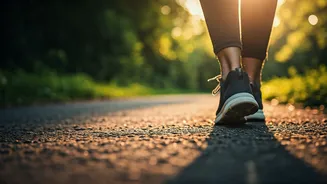
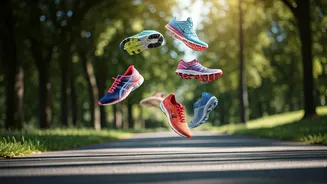
In an era of expensive gym memberships and boutique fitness classes, walking’s greatest strength is its accessibility. It is the most democratic form of exercise available. It requires no special equipment beyond a comfortable pair of shoes, no subscription fee, and no specific skill level. You can do it almost anywhere, at any time, for any duration. This low barrier to entry makes it an inclusive and sustainable habit. Technology has also played a role, not by making walking more complex, but by making it more engaging. Fitness trackers, apps, and podcasts provide motivation and entertainment, but the core activity remains beautifully uncomplicated. This simplicity is key to its staying power. It's a habit that can easily be integrated into a daily routine and sustained for a lifetime, regardless of age, income, or fitness level.