


The Allure of 'Cozy Season'
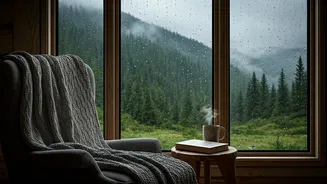
There’s a powerful psychological pull toward coziness, a feeling the Danish famously call 'hygge.' It’s the sensation of contentment found in simple comforts: a warm blanket, a crackling fire, a good book, and the company of someone you love. While we typically
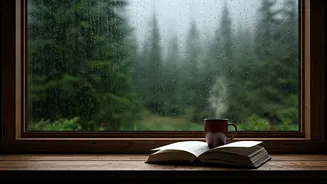
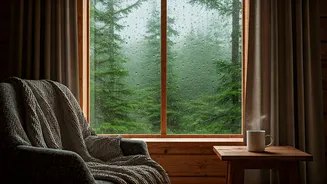
associate this with winter, a rainy getaway offers a concentrated dose of it any time of year. The sound of rain against the window pane creates a natural barrier to the outside world, encouraging couples to slow down, disconnect from their devices, and reconnect with each other. It’s an enforced intimacy. In a world of constant hustle, the permission to do nothing but listen to the storm and enjoy each other’s presence is the ultimate luxury. This isn’t about sightseeing; it's about 'being-seeing'—simply existing together in a serene, protected bubble.
Fewer Crowds and Lower Prices
Let’s be practical: peak-season travel is expensive and crowded. The 'monsoon' or rainy season in many popular destinations is considered the off-season or, at best, a 'shoulder season.' For savvy travelers, this translates into significant savings on flights, accommodations, and even local activities. That five-star resort that’s out of reach in July might suddenly become affordable in a rainier October. Beyond the budget benefits, there’s the undeniable appeal of having a place to yourself. Imagine exploring the normally packed trails of the Pacific Northwest with only the mist for company, or visiting the dramatic red rocks of Sedona, Arizona, during the summer monsoon when the crowds thin out and the desert landscape is transformed by dramatic, stormy skies. This search spike is partly driven by travelers realizing that the 'worst' weather often creates the best, most exclusive-feeling travel experience.
A Different Kind of Beauty
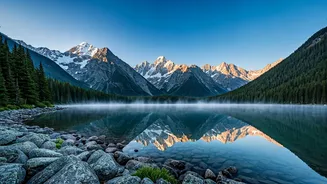
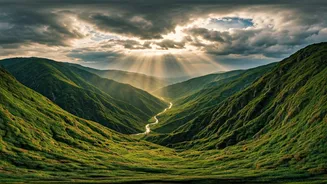
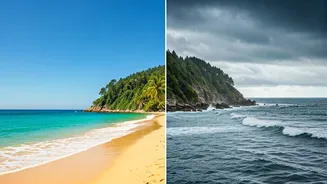
We’ve been conditioned to equate 'good vacation weather' with clear blue skies. But a growing number of people are seeking out a more dramatic and atmospheric aesthetic. A rainy season getaway offers a completely different visual and sensory palette. Landscapes become intensely saturated, with greens appearing greener and dark cliffs glistening under the rain. Fog and mist can lend an ethereal, mysterious quality to forests and mountains, turning a simple hike into a scene from a fantasy novel. In the American Southwest, the summer monsoon brings not just rain but spectacular lightning shows that illuminate the canyons. This is travel for the senses: the smell of rain on dry earth (petrichor), the amplified sounds of a rushing waterfall, the moody gray light that makes colors pop. It’s a photographer’s dream and an escape for anyone tired of the same old postcard-perfect scenery.
The Social Media Effect
While it may seem counterintuitive, social media has played a huge role in romanticizing rainy days. The perfectly curated, sun-bleached beach photo is starting to feel generic. In its place, a new aesthetic has emerged on platforms like Instagram and TikTok. Hashtags like #rainydayvibes, #cozycore, and #pluviophile (a lover of rain) are filled with images of steaming mugs of coffee on a misty porch, couples wrapped in blankets by a fireplace, and moody shots of rain-streaked windows. This content sells a feeling, not just a location. It showcases a specific kind of romantic intimacy that feels more authentic and achievable than a high-octane tropical adventure. When influencers and everyday users post about the magic of their stormy retreat, they are essentially creating a viral marketing campaign for off-season travel, inspiring others to seek out that same cozy, cinematic experience for themselves.
An Adventure in Disguise
A rainy getaway isn’t about being trapped indoors. For many, it’s an invitation to a different kind of adventure. The weather becomes part of the experience, not an obstacle to it. Activities take on a new character. A forest hike becomes a quest through a misty, enchanted wood. In coastal towns from Oregon to Maine, storm-watching has become a legitimate tourist activity, with people booking oceanfront rooms specifically to watch massive waves crash against the shore. A visit to a local brewery or a cozy bookstore feels more special when you’re ducking in from a downpour. This type of travel filters out passive tourists and attracts those looking for a more immersive and memorable story to tell—one that doesn't depend on perfect conditions but is often made better by imperfect ones.