
Beyond the Buffet Menu
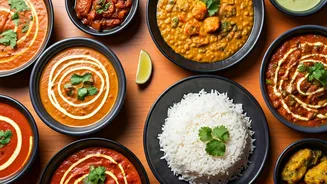
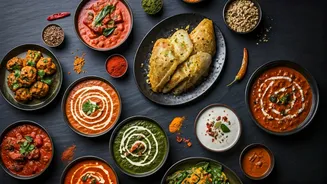
Let’s be honest: when you go for Indian food in the United States, you probably know what to expect. The menu is a comforting collection of greatest hits, dishes largely drawn from the robust, creamy traditions of Punjab in Northern India. There’s nothing
wrong with a perfectly executed chicken korma or a fluffy piece of garlic naan—they are delicious for a reason and have served as the primary ambassadors of Indian cuisine for decades. But that standard-issue menu represents Indian food in the same way a single star represents the night sky. It’s a bright spot, but it’s surrounded by an undiscovered universe. India is not a country; it’s a continent masquerading as one, with 28 states and eight union territories, each boasting its own language, culture, and, most importantly, its own kitchen. To assume the food is monolithic is to miss the entire story. The rich, dairy-heavy curries of the North are worlds away from the coconut-laced, tamarind-sour seafood dishes of the South. What you’ve been eating is likely just one chapter of a very, very long book.
A Continent on a Plate
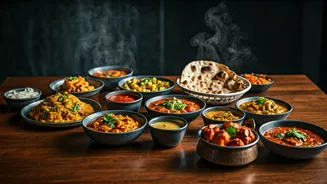
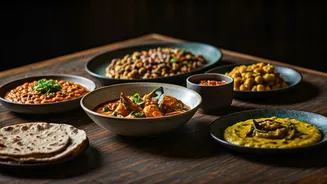
So what does the rest of the book taste like? Imagine a culinary map. In the coastal state of Kerala in the south, you'll find delicate rice-flour hoppers served with spicy fish curries fragrant with curry leaves and black pepper. Travel west to Rajasthan, and you’ll encounter a desert cuisine known for its hardy lentil dishes and sun-dried vegetables, like the fiery mutton curry Laal Maas. Head east to Bengal, and the flavor profile shifts again to a unique sweet-and-savory balance, with an emphasis on freshwater fish and the pungent kick of mustard oil. Then there’s the often-overlooked Northeast, a region with culinary ties to Southeast Asia, where fermentation is king and dishes feature bamboo shoots, ghost peppers, and distinct preparations of pork and chicken. This isn't just variation; it's a completely different culinary vocabulary. For years, accessing this diversity in the U.S. meant hunting down hyper-specific regional restaurants, if you could find them at all. But now, a new type of restaurant is emerging—one that aims to be the map itself.
The Curators of Flavor
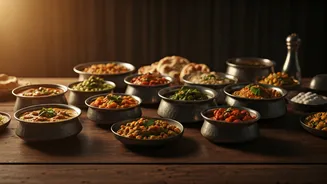
Enter the culinary cartographer. A new generation of chefs and restaurateurs are taking on the monumental task of representing India’s true breadth on a single menu. These aren’t just kitchens with a long list of options. They are curated experiences, often focusing on what some call “the other India”—the provincial, the forgotten, the food of home kitchens rather than banquet halls. Restaurants like Dhamaka in New York City have built their entire identity on this principle, championing dishes from small villages and lesser-known regions, presenting them unapologetically, without toning down the spice or funk for Western palates. Their philosophy is simple but revolutionary: to treat each dish not just as food, but as a story. The menu becomes an educational tool, a travelogue that lets diners journey from the mountains of Kashmir to the backwaters of Kerala in a single meal. This approach requires immense research, skill, and a deep respect for the origins of each recipe.
Tasting the Map
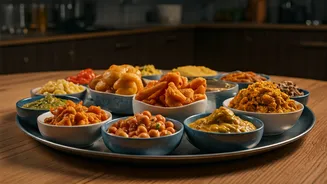
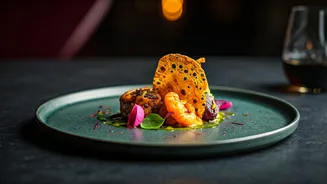
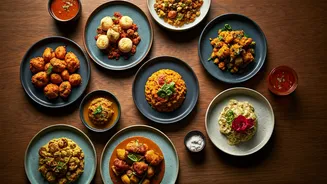
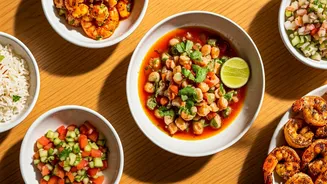
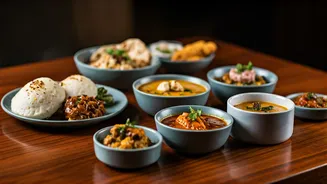
What might you find on such a menu? Instead of the usual samosa, you might start with a Beguni from Bengal—thin slices of eggplant dipped in a chickpea-flour batter and fried to a crisp. Instead of chicken tikka masala, you might be steered toward a Champaran Mutton, a rustic dish from Bihar where meat is slow-cooked in a sealed clay pot with whole spices until it’s fall-apart tender. From Goa, there might be a Prawn Balchão, a fiery and tangy pickle-like dish that screams of the region’s Portuguese influence. From the Chettinad region of Tamil Nadu, a famously spicy chicken curry made with a complex, freshly ground masala could make an appearance. Each dish offers a distinct sense of place, a flavor profile that tells you exactly where you are on the map.