


MAK Pataudi: The Original Tiger
Before India was a cricket powerhouse, it was a collection of talented individuals. Mansur Ali Khan Pataudi, or 'Tiger,' changed that. Taking over in 1962 at just 21, Pataudi inherited a team often divided by regional loyalties. His greatest contribution
wasn't in the win column—it was in forging a national identity. He famously ended the practice of selecting players based on regional quotas, demanding the best XI regardless of where they came from. He was the first to instill a belief that India could compete on its own terms, particularly with his pioneering use of a multi-pronged spin attack. Pataudi lost an eye in a car accident before his captaincy even began, playing his entire career with impaired vision. That he could not only play but lead with such authority speaks volumes. He may not have the record of modern captains, but he laid the very foundation on which their success was built.
Sourav Ganguly: The Fearless Fighter
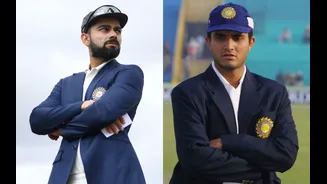
If Pataudi taught India to believe in itself, Sourav Ganguly taught India to fight. Taking charge in 2000 amidst the dark clouds of the match-fixing scandal, 'Dada' didn't just rebuild a team; he gave it a snarl. He scouted and backed a generation of match-winners—Harbhajan Singh, Yuvraj Singh, Virender Sehwag, Zaheer Khan. Under his leadership, India stopped being polite tourists who were rolled over abroad. They started winning overseas, culminating in a historic drawn series in Australia in 2003-04. His defining image isn't a statistic, but him waving his shirt triumphantly from the Lord's balcony—a raw, defiant gesture that announced the arrival of a new, aggressive India that wouldn't be intimidated by anyone. Ganguly's win percentage isn't the highest, but his impact on the team's mentality is immeasurable. He made India a force to be reckoned with.
MS Dhoni: The Calm Tactician
Where Ganguly was fire, Mahendra Singh Dhoni was ice. Taking the reins in 2008, 'Captain Cool' was a master of managing pressure with an almost unnerving calm. He was less about emotional displays and more about shrewd, often unconventional, tactics. His field placings were inventive, and his bowling changes could seem bizarre until they produced a wicket. Dhoni’s leadership style was about empowering his players and trusting his gut, which rarely led him astray in the long format. Under his captaincy, India finally reached the pinnacle, becoming the No. 1 ranked Test team in the world in 2009 for the first time. His team was virtually unbeatable at home, turning Indian grounds into fortresses. While his away record is a noted blemish, his achievement of leading India to the top of the Test rankings was a monumental moment that solidified the team's status as a global superpower.
Virat Kohli: The Relentless Winner
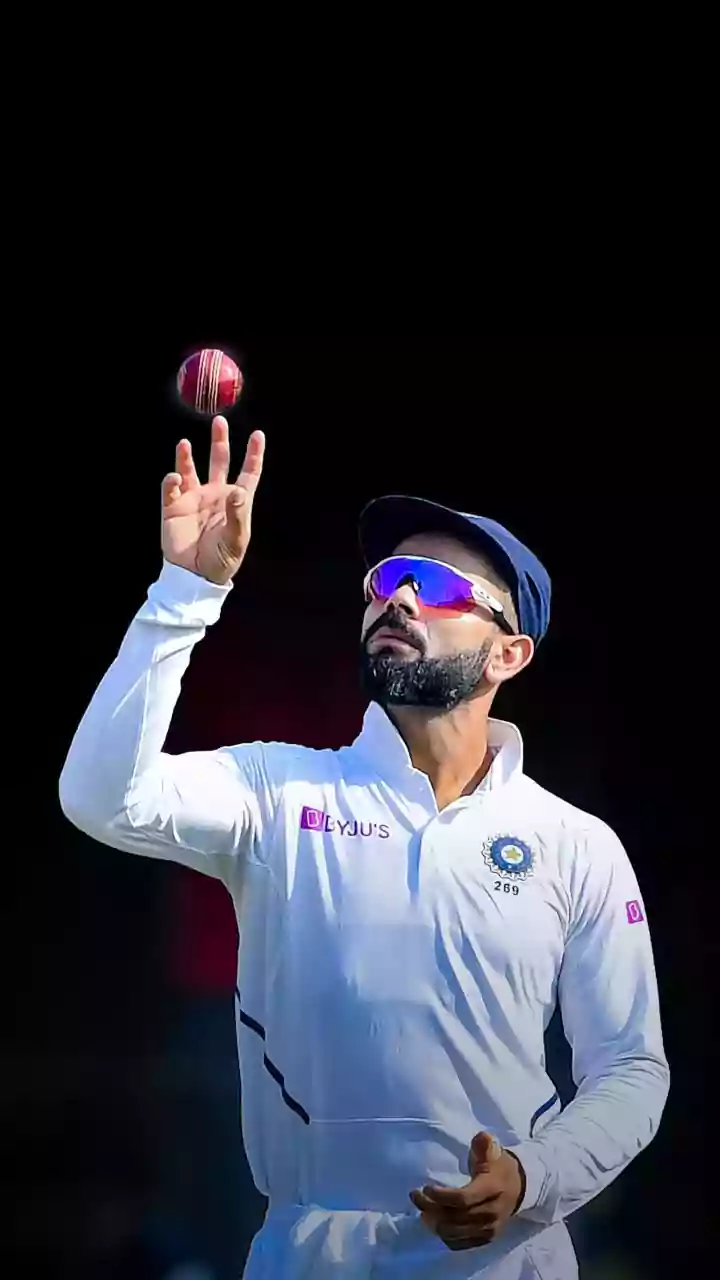
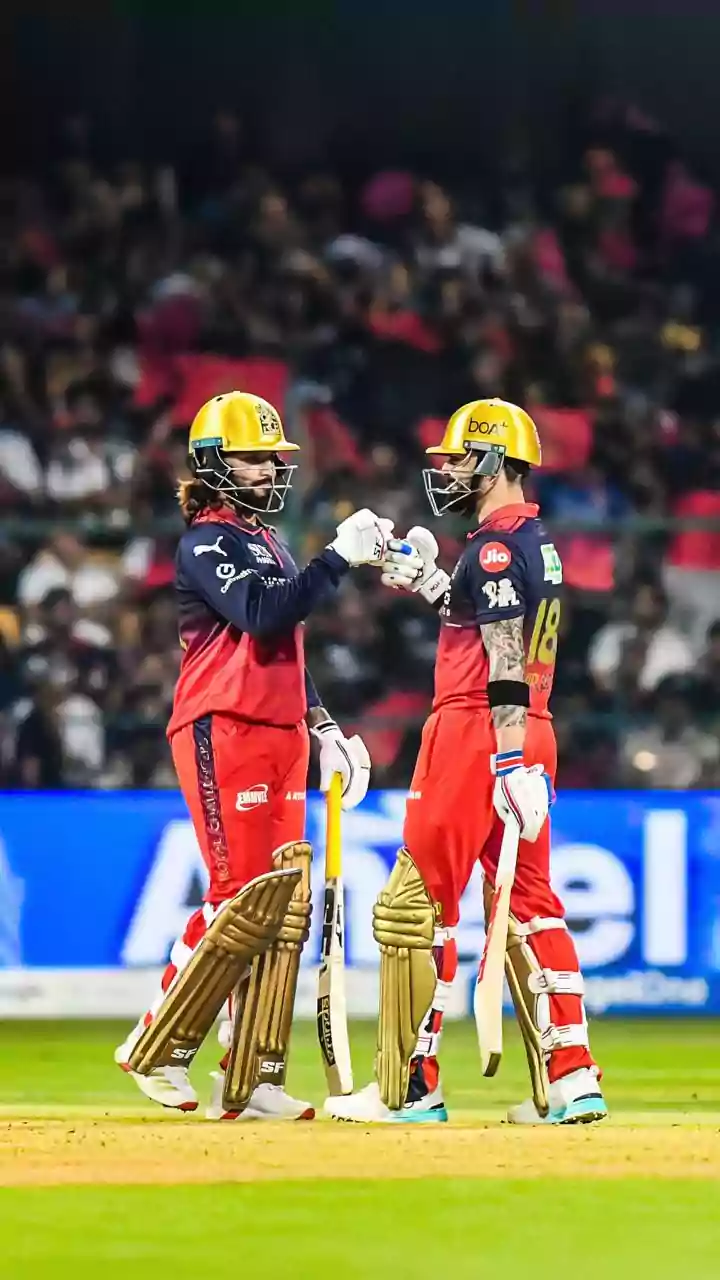
If you judge a captain by pure numbers, Virat Kohli is in a league of his own. With 40 wins in 68 matches, he is statistically India's most successful Test captain by a wide margin. But his legacy is about more than just wins; it’s about a complete cultural overhaul. Kohli introduced a ruthless fitness culture that transformed the team into world-class athletes. This physical conditioning was the engine for his primary goal: dominating overseas. Under Kohli, India developed a fearsome fast-bowling arsenal capable of taking 20 wickets anywhere in the world. This led to unprecedented success, including India’s first-ever Test series victory in Australia in 2018-19, an achievement that fulfilled a lifelong dream for Indian cricket fans. His aggressive, in-your-face style mirrored Ganguly’s, but it was backed by a team with the fitness and pace attack to consistently deliver on that aggression.