



The Undisputed Champion: Spider Plant
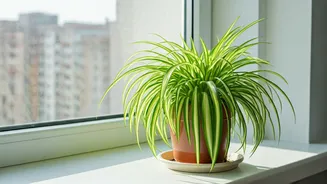
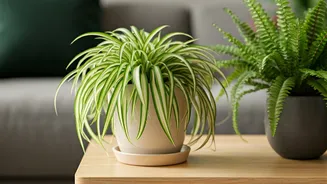
If there were a hall of fame for pet-safe houseplants, the Spider Plant (Chlorophytum comosum) would be a first-ballot inductee. This incredibly resilient plant is completely non-toxic to both cats and dogs, according to the ASPCA. Its appeal goes beyond
safety; it’s famously easy to care for, thriving in a wide range of light conditions and forgiving the occasional missed watering. Better yet, it’s an air-purifying powerhouse, known for filtering common household toxins. The plant gets its name from the little “spiderettes” it produces—baby plants that dangle from the mother plant like spiders on a web. These can be easily propagated, meaning one plant can quickly turn into a whole family of green, pet-friendly companions. While some cats are drawn to nibbling on its long, grassy leaves (it’s said to have a mild, harmless hallucinogenic effect on felines, similar to catnip), you can rest easy knowing it poses no danger.
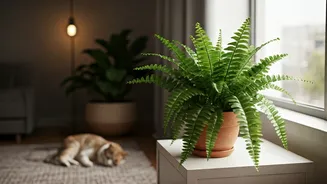
The Lush Classic: Boston Fern
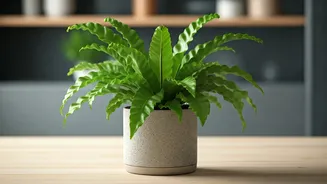
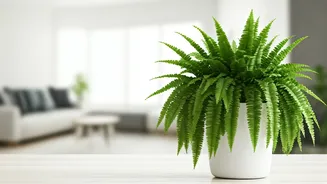
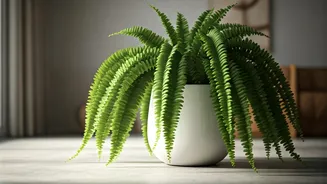
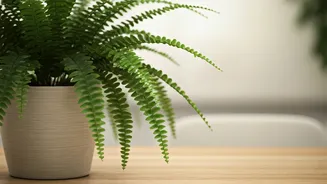
Ferns can be tricky territory for pet owners, as some varieties are toxic. But the Boston Fern (Nephrolepis exaltata) is a certified safe bet. With its feathery, arching fronds, it brings a touch of lush, woodland elegance to any room. These ferns love humidity, making them perfect for a well-lit bathroom or kitchen. If you place them elsewhere, they’ll appreciate regular misting or a spot near a humidifier to keep their foliage from turning brown and crispy. They prefer indirect sunlight, as harsh rays can scorch their delicate leaves. While they require a bit more attention than a spider plant, their dramatic, cascading look is a worthy reward for the effort. Hang one in a basket to let its fronds spill over the sides, creating a beautiful and perfectly pet-safe statement piece.
Another Safe Fern: The Bird's Nest Fern
For those who love the fern look but want something a little different, the Bird's Nest Fern (Asplenium nidus) is an excellent, non-toxic choice. Unlike the wispy Boston Fern, this variety features wide, crinkly, bright green fronds that unfurl from a central rosette, resembling a bird’s nest. This unique, sculptural appearance makes it a modern and stylish addition to your plant collection. It shares the Boston Fern's love for humidity and indirect light, so it will also thrive in a steamy bathroom environment. It’s a relatively slow grower and maintains a compact shape, making it ideal for smaller spaces or as a tabletop plant where it won’t get in your pet’s way.
For a Tropical Vibe: Parlor Palm
Dreaming of a tropical escape without the risk to your four-legged friend? The Parlor Palm (Chamaedorea elegans) is your answer. This elegant, slow-growing palm has been a popular houseplant since Victorian times for a reason: it’s beautiful, adaptable, and low-maintenance. It thrives in lower light conditions and average home temperatures, making it a forgiving choice for beginners. Its delicate, arching fronds give a room an airy, sophisticated feel. Most importantly, it’s completely non-toxic for cats and dogs. Its upright growth habit also helps keep most of its foliage out of immediate reach of a curious puppy or kitten, though you won’t have to panic if they do manage a nibble.
A Pop of Pattern: Prayer Plant
If you’re seeking a safe plant with a bit more visual flair, look no further than the Prayer Plant family (including Calathea and Maranta). These stunning plants are renowned for their intricately patterned leaves, often featuring vibrant shades of green, pink, and cream. They get their common name from a fascinating habit: their leaves fold up at night, as if in prayer. This movement, known as nyctinasty, adds a dynamic quality to your indoor garden. All members of the Marantaceae family are non-toxic to pets, so you can collect their many beautiful varieties without worry. They do best in bright, indirect light with consistently moist soil, rewarding attentive owners with some of the most beautiful foliage in the plant kingdom.
A Quick Note on Plant Safety
While this list provides great starting points, it’s crucial to remain vigilant. The term “fern” or “lily” can refer to dozens of different species, some safe and some highly toxic. The Asparagus Fern, for example, is not a true fern and is toxic to pets, while the Easter Lily is extremely poisonous to cats. Always confirm the specific scientific name of a plant before bringing it home. The ASPCA maintains an extensive and searchable database of toxic and non-toxic plants, which should be every pet owner’s go-to resource. When in doubt, it's always best to place plants out of reach, even if they're considered safe.