



From Backyard Hutch to Indoor Palace
For generations, the rabbit’s place in the Western imagination was either in a magician’s hat, a farmer’s field, or a sad little hutch in the corner of the yard. But Down Under, that image is being radically redesigned. The new ideal is the “house rabbit,”
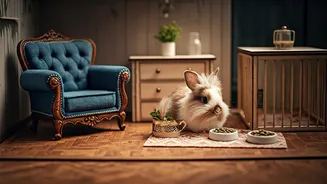
an animal that is not only litter-trained but also enjoys free reign of the home, much like a cat or a small dog. These aren’t just pets; they are fully integrated family members. The trend has seen a surge in adoptions from shelters like the RSPCA Australia, which actively promotes indoor living for rabbits to protect them from predators and harsh weather. This shift from outdoor accessory to indoor companion is the foundation of the entire craze, turning a once-overlooked animal into a coveted, high-maintenance roommate.
The Meticulous World of Rabbit Rearing
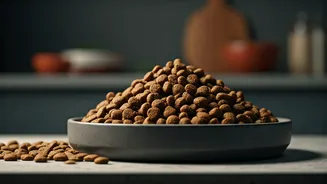
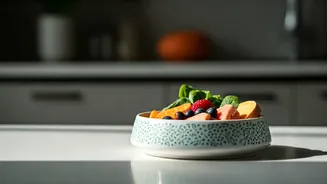
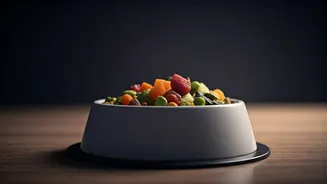
This is where things escalate into what the headline calls “peak pet parenting weirdness.” The care lavished on these bunnies goes far beyond a bowl of pellets and a water bottle. We’re talking about meticulously curated diets of specific hays (Timothy, Oaten, Orchard), fresh leafy greens hand-selected for optimal nutrition, and a strict avoidance of sugary fruits. Rabbit-proofed homes feature custom-built castles made from untreated wood, dig boxes filled with pet-safe soil, and a sprawling collection of chew toys to keep their ever-growing teeth in check. Some owners invest in pet strollers for safe outdoor excursions and build elaborate multi-level “condos” that would make a Manhattan real estate agent weep. It’s an obsessive, all-consuming hobby disguised as animal husbandry.
Bunny Influencers and Digital Fame
If a rabbit has a custom-built four-poster bed but no one is there to ‘like’ it, does it even exist? For many in this subculture, the answer is no. The house-rabbit craze is fueled by social media, where Australian bunny “influencers” rack up tens of thousands of followers. Accounts document the daily lives of pampered rabbits, showcasing their outfits (yes, tiny sweaters and bow ties are a thing), their gourmet meals, and their photogenic naps. This digital ecosystem creates a feedback loop: owners see what others are doing, feel the pressure to keep up, and spend more time and money curating a perfect life for their pet. It blurs the line between providing good care and performing good care for a virtual audience.
A Uniquely Australian Obsession
While pet humanization is a global phenomenon, the house-rabbit trend has a particular resonance in Australia. For one, Australia has a complicated history with rabbits. They are an infamous invasive species, causing widespread ecological damage since their introduction in the 19th century. This history makes the act of welcoming a rabbit into one’s home a defiant act of domestication. Furthermore, in states like Queensland, rabbits are illegal to keep as pets, a ban that only adds to the mystique and creates a kind of underground community of rabbit lovers in other parts of the country. For many young Australians living in apartments in dense cities like Sydney and Melbourne, a quiet, clean, and relatively small rabbit is a more practical companion than a dog, providing the emotional fulfillment of pet ownership without the need for a backyard.