



What Exactly Is a Moon Transit?
Imagine a tiny bug flying between you and a distant, bright lamp. From your perspective, the bug momentarily crosses the light source. A moon transit of Jupiter is the exact same principle on a cosmic scale. Jupiter’s four largest moons—the Galilean moons—orbit
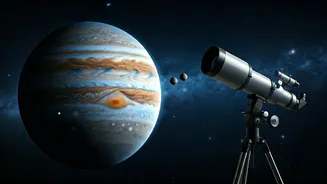
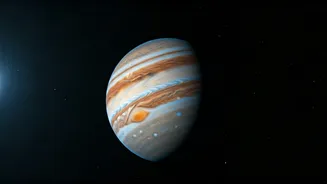
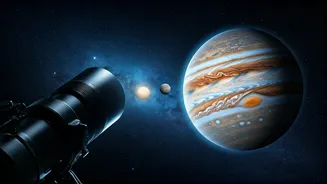
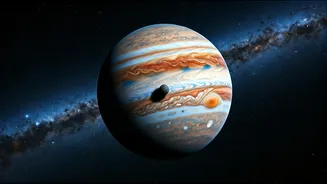
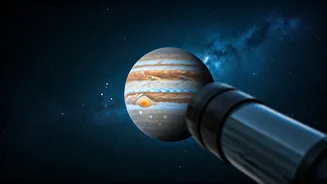
the planet relatively quickly. As they circle Jupiter, they regularly pass in front of the planet from our point of view on Earth. There are two phenomena to watch for. The first is the transit itself, where a moon, appearing as a tiny, faint disk, crosses the face of Jupiter’s cloudy atmosphere. This can be subtle and hard to spot. The real prize for most backyard astronomers is the second event: a shadow transit. As the moon passes, it casts its shadow onto Jupiter’s cloud tops. This shadow appears as a small, distinct, and surprisingly dark black dot, slowly crawling across the planet's surface. It’s a stunningly clear visual demonstration of the three-dimensional nature of our solar system—a tiny, temporary eclipse happening half a billion miles away.
The Stars of the Show: The Galilean Moons
When Galileo first pointed his telescope at Jupiter in 1610, he discovered four points of light moving around it, proving that not everything orbited the Earth. These are the moons you’ll be watching. They each have their own character: * **Io:** The innermost and fastest, completing an orbit in just 1.8 days. It's the most volcanically active body in the solar system, and its transits are frequent. * **Europa:** Covered in a shell of ice with a suspected liquid water ocean beneath. Its surface is one of the smoothest in the solar system. * **Ganymede:** The largest moon in our solar system—bigger than the planet Mercury. Its transits are slower and more majestic. * **Callisto:** The most heavily cratered object in the solar system, this outermost moon orbits the slowest of the four, taking nearly 17 days to circle Jupiter.
The Right Gear for the Job
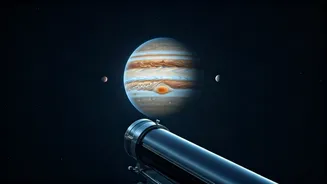
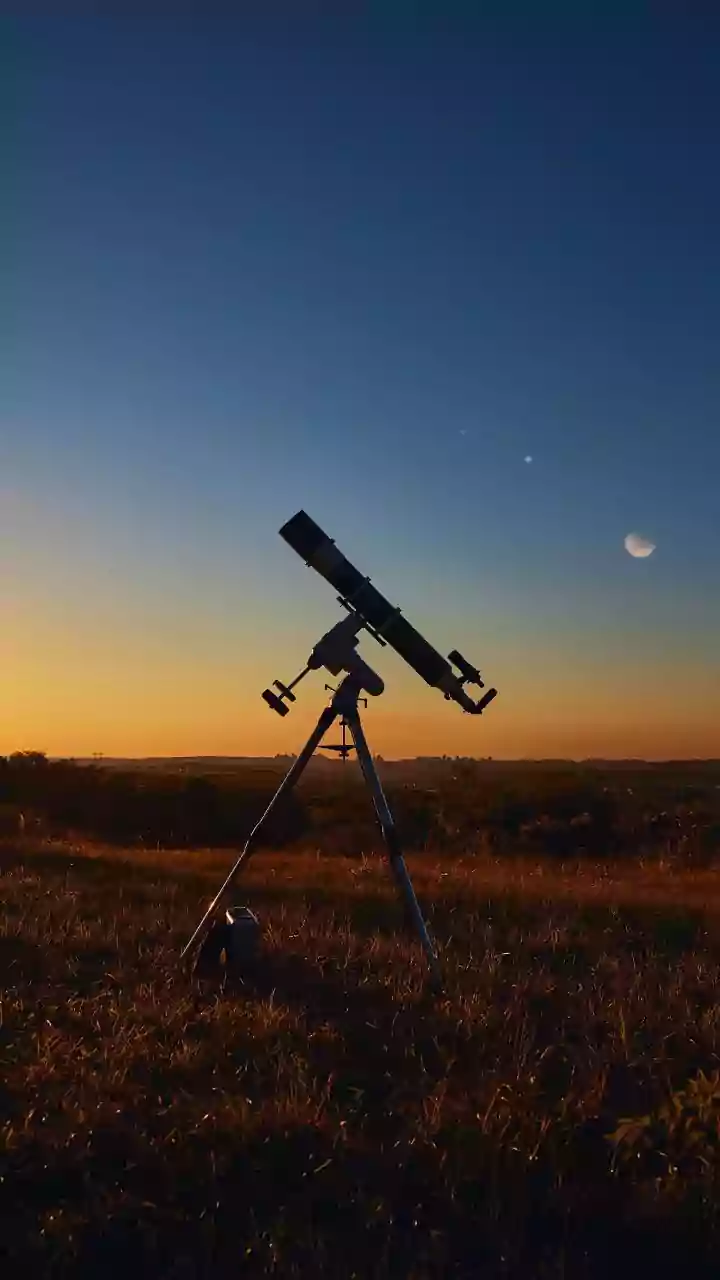
You don’t need the Hubble Space Telescope for this. In fact, the beauty of watching these transits is their accessibility. Most entry-level to intermediate backyard telescopes can pull it off. A 3-inch (70mm) refractor or a 4.5-inch (114mm) reflector telescope is a great starting point. While you can see the four moons as tiny dots with good binoculars, you'll need the magnification of a telescope to resolve the planet's disk and spot a shadow. A good rule of thumb is to aim for a magnification of around 100x to 150x. Much less, and the shadow will be too small to see clearly; much more, and the image can become dim and shaky, especially if the atmospheric conditions aren't perfect. The most important factor isn't raw power, but stability. A wobbly telescope mount will make spotting a tiny, moving dot impossible. Ensure your tripod is on solid ground and give the telescope a moment to settle before you start observing.
How to Find and Watch the Show
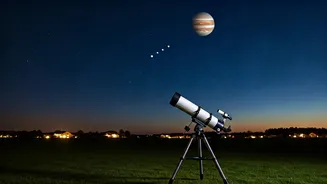
First, you need to find Jupiter. This is the easy part. As the largest planet in our solar system, it’s one of the brightest objects in the night sky, outshining every star. A simple stargazing app on your phone can point you directly to it. Once you have it in your telescope's finder scope, center it and switch to your main eyepiece. You’ll immediately see a bright, striped disk, likely flanked by two to four tiny points of light—the Galilean moons. Observing the transit requires patience. At first glance, a shadow on Jupiter's face might be mistaken for a dark atmospheric feature, like one of its famous barges. But as you watch over 15 to 20 minutes, you’ll notice its position change relative to the planet's cloud bands. That’s how you know you’re watching a moon’s shadow. It helps to sketch the planet and the shadow’s position in a notebook every 10 minutes to confirm the movement. Remember to let your eyes adjust to the darkness and use averted vision—looking slightly to the side of the shadow—to make it pop.
Check the Schedule Before You Go
Moon transits happen constantly, but you have to know when to look. These events are predictable down to the minute. Rather than providing a list that will quickly go out of date, the best approach is to use a reliable online tool. Publications like *Sky & Telescope* and *Astronomy Magazine* have excellent websites with transit calculators. Simply enter your date, and they will generate a list of all transit, shadow transit, and eclipse events for Jupiter’s moons, often customized for your time zone. NASA also offers tools and data. There are even dedicated mobile apps that can send you alerts for upcoming events. Checking the schedule beforehand is the most critical step. It turns a random peek at Jupiter into a planned, intentional observation where you know exactly what you're looking for and when.