



The Five-Star Mosquito Resort
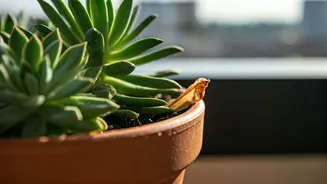
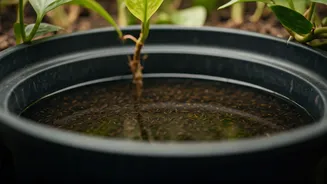
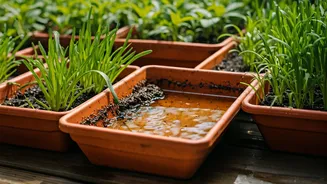
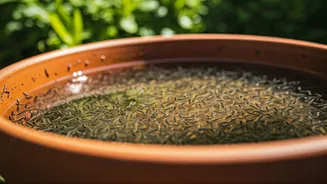
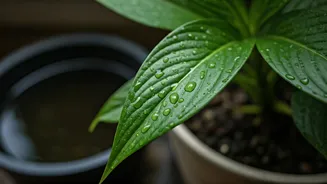
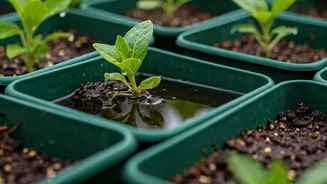
To a female mosquito, the saucer of standing water under your potted basil is a five-star resort with an attached nursery. Mosquitoes aren’t strong fliers; they prefer to lay eggs close to where they find a meal (you). They don't need a pond or a lake.
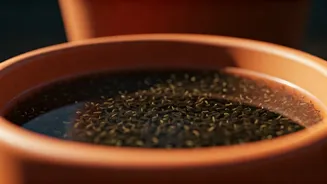
A bottle cap full of water is enough for them to lay hundreds of eggs. Within just a week to 10 days in warm weather, those eggs can hatch into larvae, transform into pupae, and emerge as fully grown, biting adults ready to continue the cycle. Your plant trays, which dutifully catch excess water, provide the perfect, predator-free environment for this rapid life cycle to unfold. Before you know it, the pests dive-bombing you during your evening gardening session are the ones you unwittingly raised yourself.
Master the 'Tip and Toss'
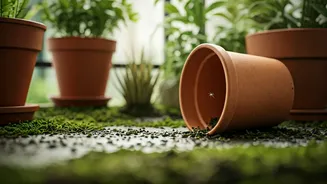
The single most effective action you can take is the simplest: tip and toss. At least once or twice a week, make it a habit to walk through your garden and empty any standing water from your plant saucers. This simple act disrupts the mosquito life cycle completely. If larvae (tiny, wiggling specks) are present, dumping them onto dry soil will kill them instantly. Make this part of your watering routine. After you water your pots and the excess has drained through, wait 10-15 minutes and then empty the saucers. This prevents the water from sitting long enough to become an invitation for pests. For larger, heavier pots, use a turkey baster or a large sponge to suck up the water without having to lift anything.
Think Beyond the Saucer
Once you get in the habit of emptying your saucers, you'll start seeing potential mosquito nurseries everywhere. Your garden is likely full of hidden water-holding spots that need attention. Take a weekly patrol and check for water in: bird baths (change water every few days), wheelbarrows, empty pots, watering cans, children’s toys, tarps with sagging spots, and even clogged gutters. A single blocked gutter can breed thousands of mosquitoes that plague your entire yard. Turning a bucket upside down or drilling drainage holes in the bottom of a decorative planter can make a huge difference. The goal is to eliminate every possible source of stagnant water, no matter how small.
Smarter Saucer Strategies
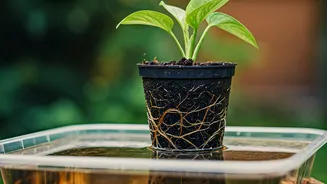
If constantly tipping saucers feels like a chore, you can modify them to be less hospitable to mosquitoes. Filling the saucer with a layer of sand or fine gravel can be a great solution. When you water, the excess will drain into the sand, making it available to the plant's roots through evaporation without creating a pool of open water on the surface for mosquitoes to access. This also helps increase humidity around the plant, which many tropicals appreciate. Another option is bottom-watering: place your potted plant in a deep tray of water for 20-30 minutes, allowing it to soak up what it needs through the drainage holes. Afterward, remove the plant and dump the remaining water. This ensures the plant is hydrated without leaving a standing water hazard.
When You Can't Tip It, Treat It
Some water features can't be easily drained, such as ornamental ponds, rain barrels, or large container water gardens. For these, consider using a mosquito-specific larvicide. Look for products containing Bti (Bacillus thuringiensis israelensis). Bti is a naturally occurring soil bacterium that specifically targets and kills mosquito larvae. It comes in small, doughnut-shaped “dunks” or granular “bits.” When placed in water, it releases a protein that is toxic only to the larvae of mosquitoes, black flies, and fungus gnats. According to the EPA, Bti is not harmful to people, pets, fish, birds, or other wildlife, making it an environmentally safe way to control mosquitoes in permanent water sources without resorting to broad-spectrum chemical sprays.