








What the Challenge Looks Like
The format is simple and universally understood by anyone who has scrolled through TikTok. A young creator starts their day with a single ₹100 note (or its digital equivalent) held up to the camera. The goal: to budget, shop for, and consume a full day’s
worth of meals without spending a single rupee more. The entire process is vlogged, from a morning trip to a local market to the final meal of the day. Every purchase is scrutinized, every price debated. Can a filling breakfast be had for ₹20 (about 24 cents)? Is it cheaper to buy raw ingredients and cook, or rely on the country’s famously inexpensive street food? These videos are a masterclass in micro-budgeting, filled with the constant mental arithmetic of survival. The tone varies from a playful, game-show-like energy to a more serious, documentary-style exploration of what’s truly possible on a razor-thin budget in a bustling Indian city.
The Dollar-a-Day Menu
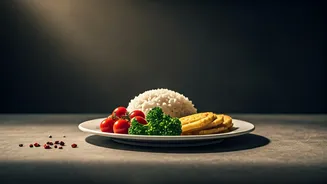
So, what can you actually eat for about $1.20 in India? The answer is a testament to creativity and the economics of street food. A common strategy involves staples like vada pav—a spiced potato fritter in a bun, often called the “poor man’s burger” in Mumbai—which can cost as little as ₹15 ($0.18). Other popular choices include samosas, a small plate of poha (flattened rice), or a cup of chai to stave off hunger. Some challengers get more creative, buying small quantities of vegetables, rice, and lentils to cook a simple meal of dal and rice at home, arguing it’s more filling. The videos become a fascinating tour of a nation's most affordable foods. But there’s no room for luxury. A piece of fruit, a small bottle of juice, or a chocolate bar can derail the entire day’s budget. The challenge lays bare the trade-offs: volume over nutrition, calories over comfort.
More Than Just a Social Media Game
While presented as a fun challenge, the trend’s popularity points to a much deeper economic reality. For millions of students, gig workers, and young people who have migrated to cities for jobs, living on a tight budget isn't a game—it's a daily necessity. The trend has gained particular traction at a time when India, like much of the world, is grappling with significant food inflation. Prices for staples like tomatoes, onions, and cooking gas have surged, squeezing household budgets. For a young person earning an entry-level salary or living on a student allowance, the ₹100 challenge isn't an abstract concept; it’s an exaggeration of their actual financial constraints. The videos resonate because they are an authentic reflection of a widespread anxiety: how to make ends meet in a country with soaring aspirations but also rising costs of living. It's a form of content that validates the financial struggles of its audience in a way few other trends can.
A Portrait of Modern India
Ultimately, the budget food challenge is more than a viral fad. It's a digital portrait of the ingenuity, resilience, and anxieties of India's Gen Z. This is a generation that is hyper-connected, ambitious, and navigating the complexities of one of the world's fastest-changing economies. They use the tools of social media not just for entertainment, but to document their lives, share coping mechanisms, and build community around shared experiences. The challenge cleverly combines the global language of internet trends with a distinctly local reality. For an American audience, it serves as a powerful reminder that behind the headlines of India's economic boom and tech prowess is a generation of young people figuring out how to get by, one rupee at a time. It’s a story of hustle, resourcefulness, and the universal quest to make a little go a long way.