
The Allure and the Obstacle
For generations, the hallmark of great Indian home cooking was patience. Recipes passed down were often complex, multi-stage affairs involving long ingredient lists, freshly ground spice blends (masalas), and layers of technique built over hours. The
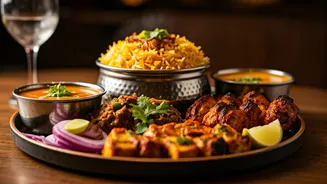
resulting dishes—deep, nuanced, and impossibly aromatic—were the reward. But in the modern American kitchen, that very complexity can feel like a barrier. For many, especially second and third-generation Indian Americans or non-Indian enthusiasts, the idea of tackling a traditional chicken korma or dal makhani from scratch can be intimidating enough to relegate it to a restaurant-only treat.
The Demands of the Modern Kitchen
This isn't about a loss of appreciation for tradition. It's a pragmatic response to the realities of contemporary life. With demanding careers, long commutes, and the daily juggle of family responsibilities, the multi-hour cooking session is a luxury few can afford on a weeknight. The desire for a home-cooked meal that is both comforting and culturally resonant hasn't faded, but the time available to produce it has shrunk dramatically. This has sparked a wave of innovation driven by a simple question: How do we get to the soul of the dish, faster? It’s a challenge faced by home cooks across all cuisines, but it feels particularly acute in one as famously elaborate as India’s.
Hacking the Flavor Code
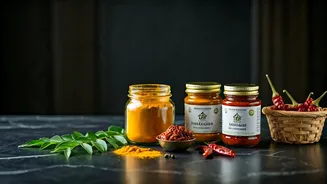
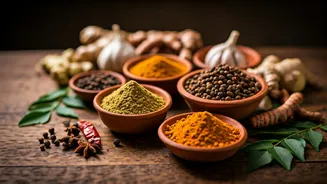
The solution isn’t to “dumb down” recipes but to work smarter. A new generation of cooks, cookbook authors, and food brands is championing a philosophy of flavor hacking. This involves identifying the most impactful steps and finding clever shortcuts for the rest. Instead of grinding ten individual spices, cooks are turning to high-quality, pre-made blends that go far beyond basic curry powder. Think specific masalas for chana (chickpeas) or rajma (kidney beans) that deliver a tailored, authentic base in seconds. Another key technique is the ‘tadka,’ or tempering. Blooming whole spices, garlic, or chiles in hot oil or ghee and pouring it over a finished dish (like a simple lentil dal) provides an explosive burst of fresh, aromatic flavor that can make a simple dish taste like it’s been simmering all day. It’s a five-minute step with a five-star impact.
A New Definition of Authentic
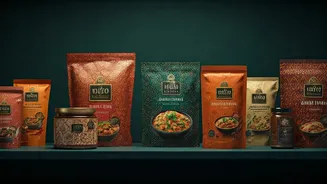
This shift is also forcing a conversation about what “authenticity” really means. Is a dish only authentic if it’s made exactly as a grandmother in a specific village made it 70 years ago? Or is authenticity found in the final flavor and the spirit of the meal? For many, the answer is the latter. Food writers like Priya Krishna, author of the bestselling cookbook “Indian-ish,” have built a following by celebrating recipes that are true to their Indian roots but adapted for the American kitchen. Similarly, the explosion of high-quality simmer sauces and ready-to-use pastes from brands like Brooklyn Delhi and Maya Kaimal allows a home cook to produce a deeply flavorful meal in under 30 minutes. This isn’t a compromise; it’s an evolution, making one of the world’s great cuisines more accessible to everyone, every day.