






The Old Rules Were Stuck in the '90s
To understand why this is a big deal, you have to look at the old rules. The FDA’s original definition of “healthy” was established in 1994, a time when dietary fat was public enemy number one. Under those guidelines, a food could be labeled “healthy” if
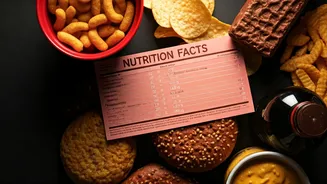
it was low in total fat, saturated fat, cholesterol, and sodium. This led to some bizarre outcomes. Sugary breakfast cereals and low-fat puddings could earn the “healthy” badge, while nutrient-dense foods like salmon, avocados, and nuts—all rich in beneficial fats—were disqualified. For nearly 30 years, the government’s own standard was misaligned with modern nutrition science, which now recognizes the crucial difference between unhealthy saturated fats and heart-healthy unsaturated fats. This regulatory time warp created a loophole for food marketers, allowing them to plaster a government-sanctioned health claim on products that were, by today’s standards, anything but.
What the New 'Healthy' Actually Means
The FDA’s proposed new rule scraps the outdated focus on fat and realigns the “healthy” claim with current dietary guidelines. To qualify, a food product must now meet two main criteria. First, it must contain a meaningful amount of food from at least one of the recommended food groups—like fruits, vegetables, grains, dairy, or proteins. Think of it as the “food-group floor.” Second, it must adhere to specific limits on three nutrients to watch: added sugars, sodium, and saturated fats. These are the “risk-nutrient ceilings.” The limits vary by food type, but the principle is simple: more of the good stuff, less of the bad. Under this new framework, a yogurt would need to provide a certain amount of dairy *and* stay below a cap on added sugar to be called “healthy.” Water, plain coffee, and certain oils would also qualify. The change effectively boots many processed, low-fat but high-sugar snacks out of the “healthy” club and welcomes in whole foods that were previously excluded.
Why Now? A National Health Wake-Up Call
This isn't just bureaucratic housekeeping; it's a direct response to a national public health crisis. More than 80% of Americans are not eating enough vegetables, fruits, and dairy, while consuming too much added sugar, sodium, and saturated fat. These dietary patterns are a major driver of chronic, preventable diseases like cardiovascular disease, type 2 diabetes, and obesity, which are leading causes of death and disability in the United States. The change was a centerpiece of the 2022 White House Conference on Hunger, Nutrition, and Health, the first of its kind in over 50 years. The goal is to empower consumers with clearer information, helping them make better choices in the grocery store aisle. The FDA argues that by modernizing the definition of “healthy,” the label can become a quick and reliable signal for shoppers, cutting through marketing noise to identify genuinely nutrient-dense options.
What This Means for Your Grocery Cart
Once these rules are finalized, the food landscape will look noticeably different. You’ll start seeing the “healthy” claim on things like salmon, nuts, and seeds. Conversely, that claim will disappear from many breakfast cereals, granola bars, and yogurts that rely on added sugar for flavor. This forces food companies to make a choice: either reformulate their products to meet the stricter standards or lose a powerful marketing tool. The FDA is also researching a standardized, front-of-package symbol to go along with the claim, making it even easier to spot qualifying products at a glance. While manufacturers will have time to adapt, the shift is designed to put pressure on the industry to improve the nutritional quality of their offerings. For consumers, it means the word “healthy” on a package will finally mean something closer to what nutritionists have been saying for years.