
Beyond the Restaurant Buffet
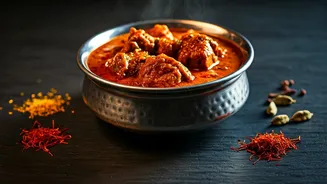
Let’s be honest: when most Americans think of Indian food, they picture a specific menu. Chicken tikka masala, palak paneer, and garlic naan are staples of the U.S. Indian restaurant scene. While delicious, these dishes often represent a heavier, special-occasion
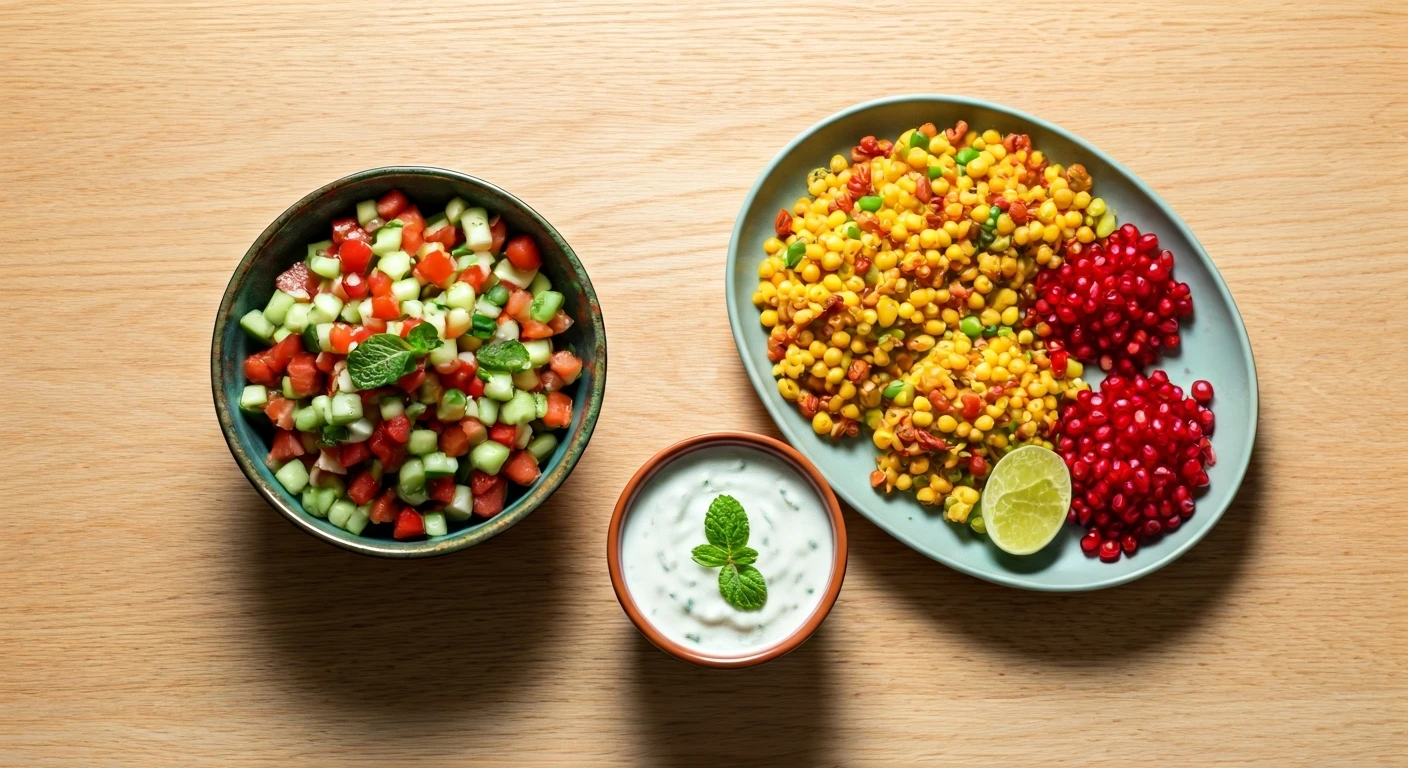
style of cooking, laden with cream and butter. They are the equivalent of thinking all American food is a Thanksgiving dinner or a steakhouse meal. But what millions of people in India and across the diaspora eat every single day is something else entirely—and American home cooks are finally catching on. The current trend isn't about replicating complex restaurant fare. It's about embracing the genius of Indian home cooking: food that is nourishing, vegetable-forward, and brilliantly spiced, all while being incredibly budget-friendly and weeknight-achievable.
The Daily Ritual: Dal and Rice
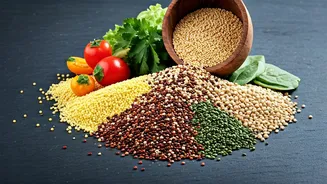
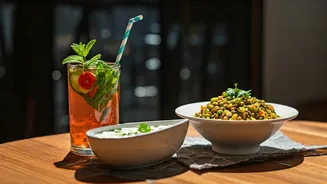
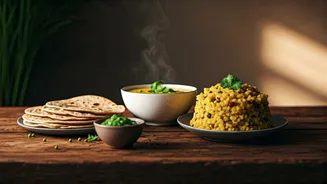
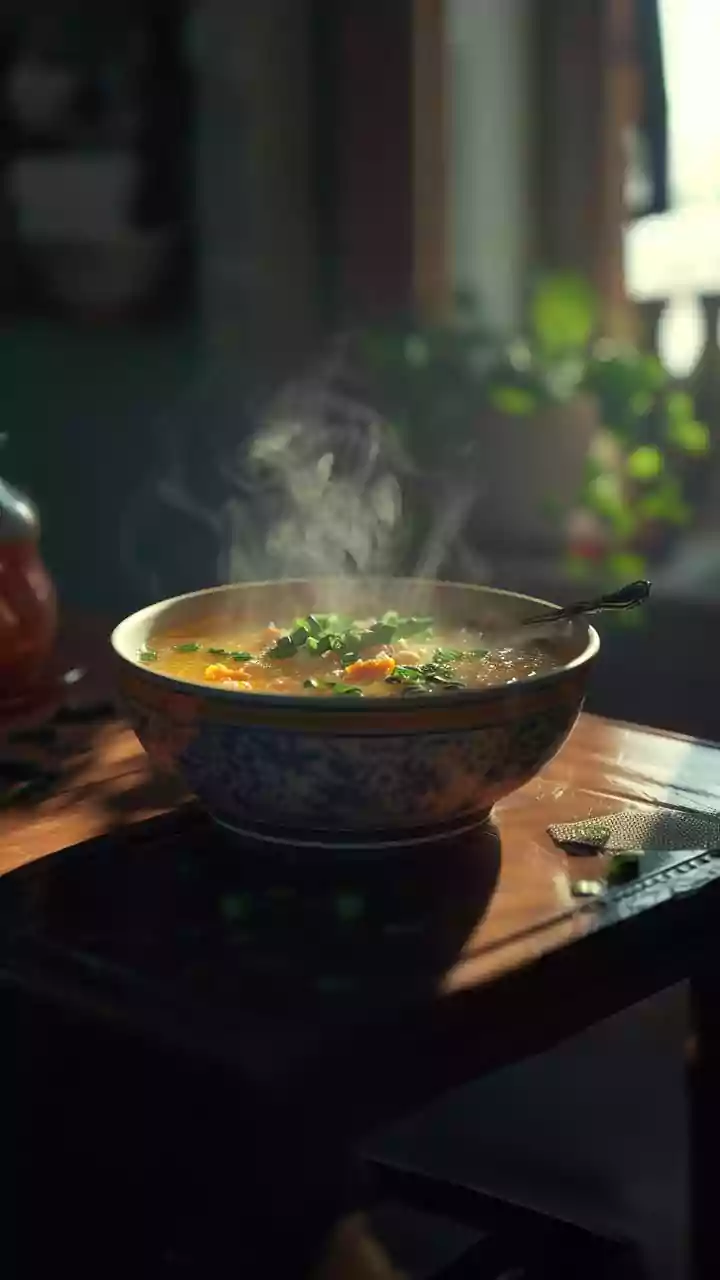
At the heart of this movement is dal. If you learn to make one practical Indian dish, make it this one. Dal isn't a single recipe; it's a universe of soupy, stew-like dishes made from lentils, beans, or peas. It's the backbone of daily meals across the subcontinent. From the simple, turmeric-laced yellow lentil dal of the north to the tangy, tamarind-infused sambar of the south, each region has its own beloved version. What makes dal so practical? It’s protein-packed, incredibly versatile (eat it like a soup, or thicken it to serve as a side), and comes together with pantry staples in under 30 minutes. Served with a simple bowl of rice, it’s a complete meal that embodies comfort, nourishment, and the soul of Indian home cooking. It’s the culinary equivalent of a warm hug.
The Secret Weapon: Mastering the Tadka
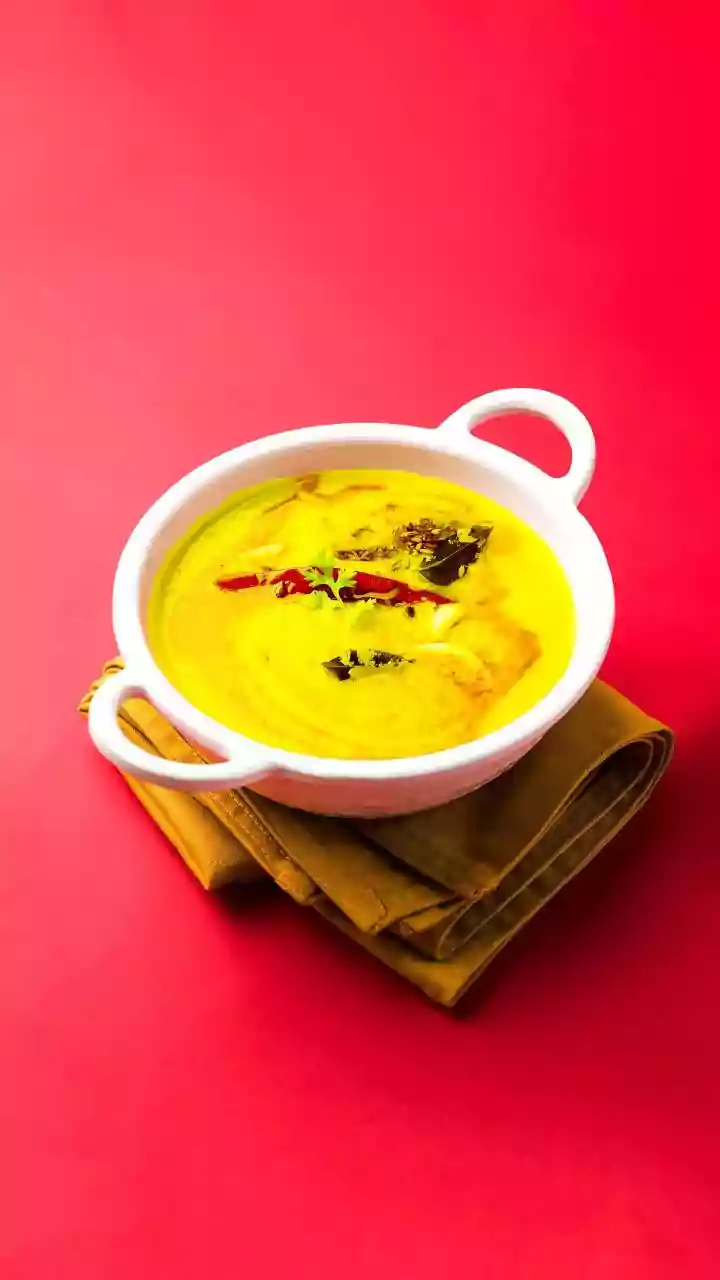
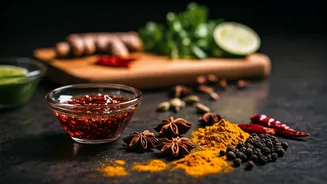
The key to unlocking restaurant-level flavor at home, without the fat and complexity, is a technique called tadka (also known as tarka, chaunk, or vaghar). This is the game-changer. A tadka is a flavor bomb created by blooming whole or ground spices in a small amount of hot fat, like ghee or oil. Cumin seeds, mustard seeds, dried chiles, and garlic might be sizzled for just a minute until they become intensely aromatic. This fragrant mixture is then poured over a finished dish—like the aforementioned dal, a simple vegetable side, or even plain yogurt—right before serving. The technique adds an incredible layer of texture and complex flavor in seconds. It’s the final flourish, the mic-drop moment that elevates a simple dish into something spectacular, and it’s the secret weapon of Indian grandmothers everywhere.
The One-Pot Wonder: Khichdi's Glow-Up
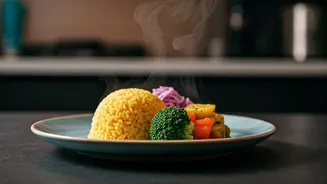
If dal is the foundational pillar, khichdi is the one-pot wonder that’s finally getting its due. A humble mix of rice and lentils cooked together until soft, khichdi is India’s answer to congee or chicken noodle soup—the ultimate comfort food you eat when you’re feeling sick, tired, or just in need of something simple and restorative. But practical doesn’t have to mean bland. Like dal, khichdi is a blank canvas. It can be made with a variety of lentils, spiced gently with turmeric and ginger, or enriched with vegetables and a flavorful tadka. Its recent rise in popularity in the West speaks to a collective desire for meals that are both effortless and deeply satisfying. It’s proof that the most practical recipes are often the most profound.
Your Pantry Is Already Halfway There
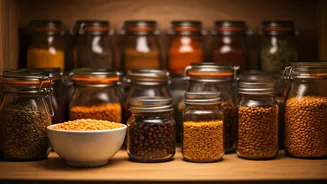
Perhaps the biggest barrier for aspiring home cooks has been the perceived need for a cabinet full of exotic spices. But the reality of practical Indian cooking is much simpler. The workhorse spices—cumin, coriander, and turmeric—are already in most American spice racks. Add a few key whole spices like mustard seeds and maybe some garam masala, and you’re equipped to make a huge range of dishes. The trend is moving away from rigid, intimidating recipes toward intuitive cooking. Don’t have asafoetida? Skip it. Out of fresh ginger? A little ginger powder will do. This new wave is about flexibility and flavor, encouraging cooks to use what they have to create something delicious, personal, and profoundly practical.